Farmers in Ecuador’s coastal farms are pulling back from corn production as pest outbreaks and worsening weather make the crop too risky to plant, threatening a staple supply chain and shifting acreage toward cacao and other alternatives.
Ecuador Corn Farmers Cut Planting on Pest, Weather Risk
The exodus matters because corn is one of the region’s core food and feed crops, and when growers fear they cannot recover their investment, planting decisions change fast. That can squeeze local supply, lift input costs for livestock producers and expose Ecuador to more volatile food prices if domestic output falls further.
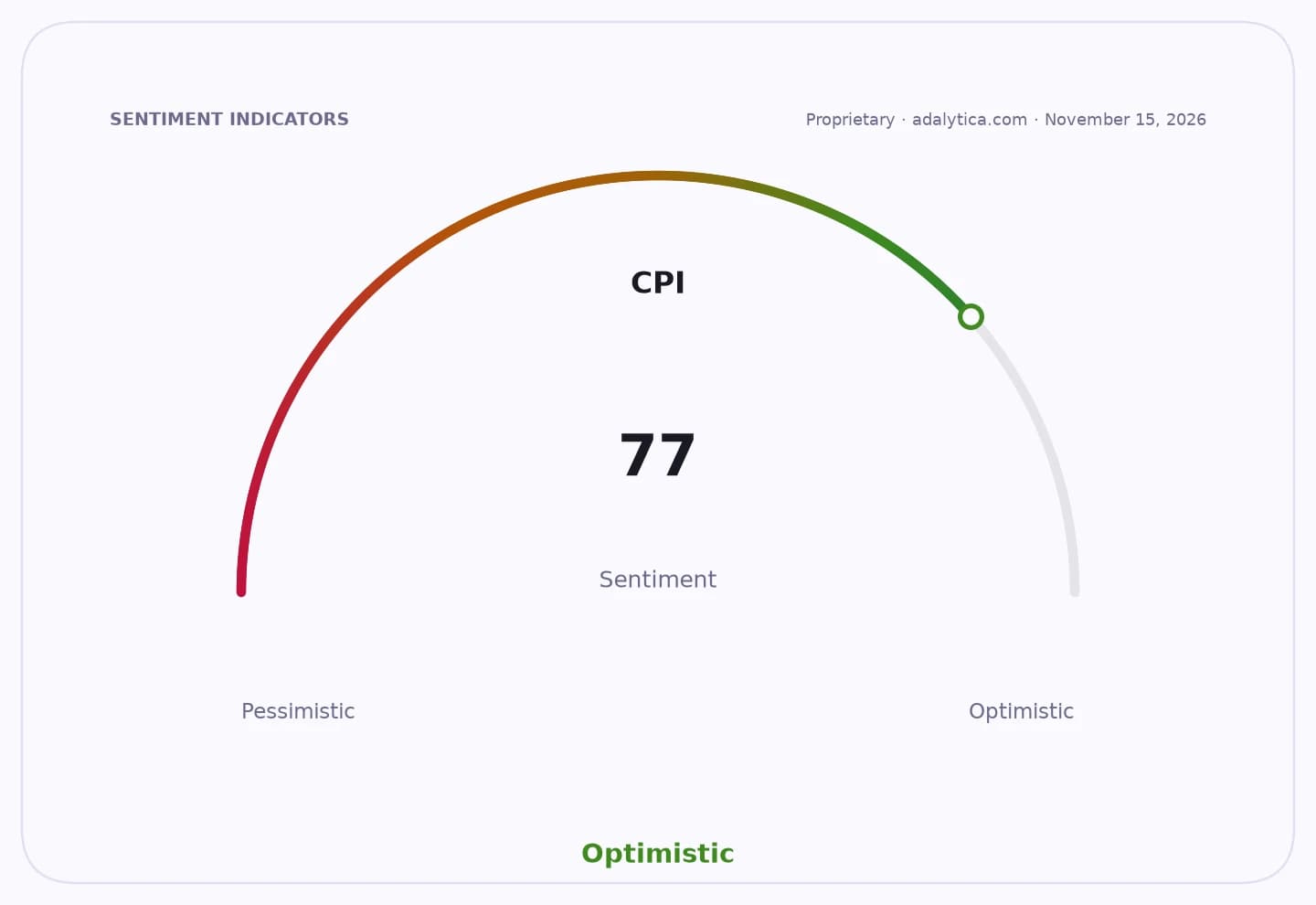
Sentiment Indicators
The report from Manabí points to a familiar pressure point in agriculture: rising production risk rather than weak demand. Farmers say they are being forced to abandon maize because pests and climate damage can wipe out yields before harvest, making the cost of seed, fertilizer and labor harder to justify.
The move also reflects a broader crop mix shift across parts of Latin America, where growers are favoring commodities with better margins or greater resilience. Cacao offers a possible hedge for some farmers, but switching crops is not immediate and does not fully offset the loss of corn acreage in the near term.
For investors, the story is a reminder that climate risk is increasingly a balance-sheet issue for agribusinesses, commodity traders and food producers tied to crop supply from the Andes and Pacific coast. It also reinforces the case for resilience investments, including pest control, drought-resistant seed and crop insurance.
With weather patterns still unstable and pest pressure unresolved, the key question is whether Ecuador’s farmers can afford to keep planting corn at all this season.
| Entity | Gains | Losses |
|---|---|---|
| Cacao growers | ▲More acreage demand | ▼Slower transition risk |
| Corn farmers | ▲None | ▼Higher crop-loss risk |
| Livestock/feed buyers | ▲Potentially lower input diversity | ▼Tighter corn supply |
| Seed and crop-protection firms | ▲Higher demand for resilience products | ▼Weak corn planting volumes |