Argentina’s 2026/27 sorghum campaign has begun just as corn and soybean planting accelerates across the country’s agricultural belt, a sign that recent rains have improved field conditions enough to support three of the country’s key summer crops.
Argentina sorghum, corn and soy planting advances
The Buenos Aires grains exchange said sorghum planting was 10.5% complete on the 750,000 hectares projected for the season, while soybeans had reached 4.7% of the expected 17 million hectares and corn stood at 50.5% of its 8.4 million-hectare target. The faster pace matters because Argentina is one of the world’s major exporters of soy complex products and corn, and the planting window will help shape output, export availability and farm income in the months ahead.
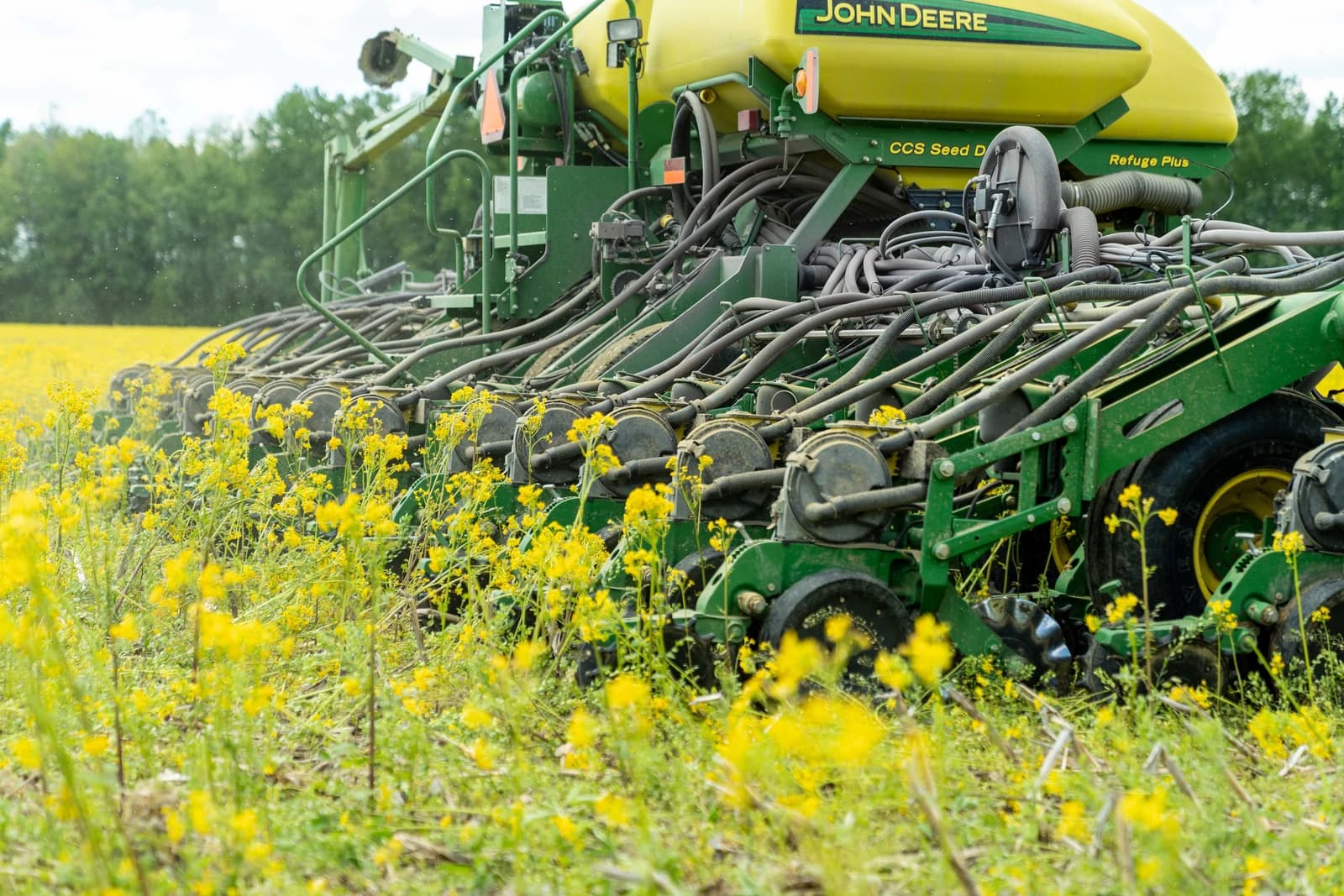
Sentiment Indicators

For soybeans, the 2.4 percentage-point weekly progress was supported by “favorable water conditions” after rains, with first-crop sowing moving briskly in the core belt and in northern La Pampa and western Buenos Aires. The exchange said soybean planting is running 2.9% ahead of last year and 2.5% above the five-year average, an early indication that moisture is allowing farmers to push acreage into the ground on schedule. Still, dry, poorly trafficked soils in southern Córdoba are slowing work and leave that area 8.6% behind its five-season average, showing that weather remains uneven.
Corn is further advanced and, at more than half planted, is nearing the end of early sowing in most of the agricultural region. In central-northern Córdoba, where more area was allocated to early plantings, crop conditions are reported as normal to excellent, while parts of Santa Fe are dealing with fall armyworm pressure. That split matters for yield expectations: strong emergence in key producing zones supports the bullish case for supply, but pest pressure and lingering cold temperatures keep a cap on certainty.
The soybean and corn progress also carries market implications beyond Argentina. Better planting conditions tend to weigh on nearby futures by reducing immediate supply risk, even if the market still has to price in later-season weather. Corn futures tracked by the iShares Corn ETF have remained under pressure in recent sessions, while soybean exposure in the iShares Soybean ETF has also eased from earlier peaks. Adalytica’s Corn Fear & Greed Index was neutral at 47, with awareness readings still elevated, suggesting traders are watching the crop story closely but have not yet turned decisively risk-on.
Sorghum’s early start is smaller in scale but notable strategically. The crop’s projected area is unchanged from last year, yet the exchange said regional intentions are shifting as sorghum competes with corn and soybeans for land. That points to growers making marginal allocation decisions based on relative margins, weather resilience and input costs, not just agronomy. If corn and soy prospects remain favorable, sorghum may struggle to expand materially; if later weather turns less cooperative, it could gain as a lower-risk alternative.
Traders will now focus on whether the current moisture profile holds through the rest of the planting season and whether the dryness in parts of Córdoba and the waterlogging risk in Buenos Aires province spread. For investors in grain markets, the near-term narrative is not shortage but execution: Argentina is planting on time in most regions, and that reduces upside risk for corn and soy prices unless the weather turns again.
| Entity | Gains | Losses |
|---|---|---|
| Argentine farmers in core belt | ▲Timely planting conditions | ▼Weather-sensitive outlying regions |
| Corn and soybean buyers | ▲Reduced supply shock risk | ▼Bulls betting on tighter output |
| Grain exporters | ▲Better odds of normal volumes | ▼Higher prices from scarcity |
| Sorghum acreage | ▲Early planting momentum | ▼Land competition from corn and soy |