Planet Fitness is running into the same problem that has dogged low-cost fitness chains for years: it can still add members, but keeping them long enough to matter is getting harder.
Planet Fitness Faces Higher Churn Pressure
That matters because the chain’s franchise model depends on high-volume, recurring dues from budget-conscious customers who are easy to sign up and just as easy to cancel. When churn rises, the economics of each new member weaken, marketing payback stretches out and same-store growth becomes harder to sustain — a key issue for a company whose valuation has long rested on predictability more than flashy sales growth.
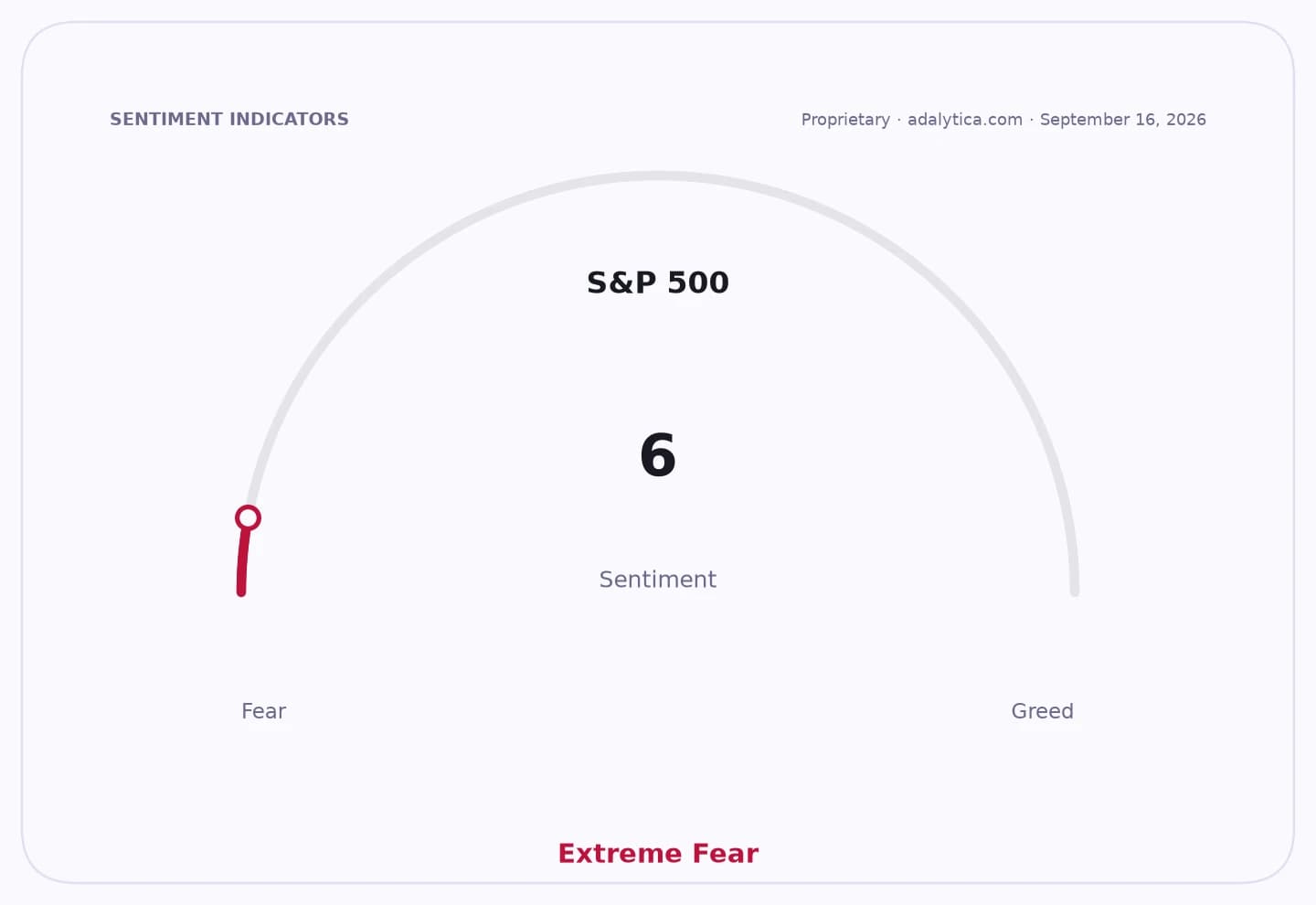
Sentiment IndicatorsⓘProprietary · adalytica.com · September 30, 2026
This is a snapshot — live sentiment, awareness and momentum for 130+ markets update continuously in the dashboard.Open AlphaPulse
The stock has reflected that tension. Planet Fitness shares have fallen to about $42.21 from recent highs above $111, while the 200-day moving average now sits near $68.47, underscoring how sharply sentiment has deteriorated. Standard technical indicators also point to stress: the 14-day RSI was recently near 27.8, a level that suggests the shares have been deeply oversold, even as the broader trend remains weak.
The fundamental backdrop is less forgiving. U.S. inflation remains elevated relative to pre-pandemic norms, with consumer prices at 334.131 in August and the latest forecast calling for only a slight easing in September. Producer prices are also still higher than a year earlier. That combination leaves lower-income consumers — the core of Planet Fitness’s base — under pressure, especially as household budgets absorb higher rent, food and services costs. A gym membership is one of the first discretionary bills to be cut when cash flow tightens.
At the same time, unemployment remains near 4.1%, which limits the case for a broad labor-market collapse. The more relevant risk for Planet Fitness is not a recessionary surge in job losses, but a slower, more selective consumer that is increasingly willing to sign up for low monthly fees and then lapse if usage drops or finances tighten. In that sense, churn is not just a membership metric; it is a leading indicator of how durable the brand’s value proposition really is.
For investors, the question is whether Planet Fitness can offset churn with new unit growth, pricing power or improved retention from higher-touch services. Bulls can point to the chain’s scale, brand recognition and asset-light franchise structure, which can still generate cash even when same-club performance softens. Bears will argue that the business is vulnerable to a saturation point: when the company has to work harder just to hold the line on memberships, the model becomes less attractive than the market once assumed.
The next few quarters will matter for whether the recent share slump is a reset or a warning. If retention stabilizes and membership trends improve, the stock’s collapse could look excessive. If churn keeps climbing, Planet Fitness may find that its cheapest memberships are also its least sticky.
| Entity | Gains | Losses |
|---|---|---|
| New sign-ups | ▲Cheap access | ▼High cancellation risk |
| Planet Fitness bulls | ▲Valuation rebound | ▼Retention deterioration |
| Low-cost gym rivals | ▲Traffic from budget users | ▼Pricing pressure |
| Consumers under inflation strain | ▲Lower upfront cost | ▼Easier habit dropout |