PT PLN (Persero) has reopened a 50% discount on electricity capacity upgrades through Nov. 4, 2026, a pricing move that lowers the upfront cost of higher-power connections and could spur household and small-business electricity consumption at a time when Indonesia is trying to support modern, more energy-intensive usage.
PLN cuts electricity upgrade fees 50% through Nov. 2026
The promotion, tied to Hari Listrik Nasional, applies to one-phase customers across tariff classes and lets existing subscribers add capacity at half the normal fee. For a customer moving from 1,300 VA to 7,700 VA, the one-time charge falls to Rp 3.1 million ($185) from Rp 6.2 million, making a significant jump in usable power far more affordable for homes upgrading to air conditioners, appliances, electric cooking and other load-heavy equipment.
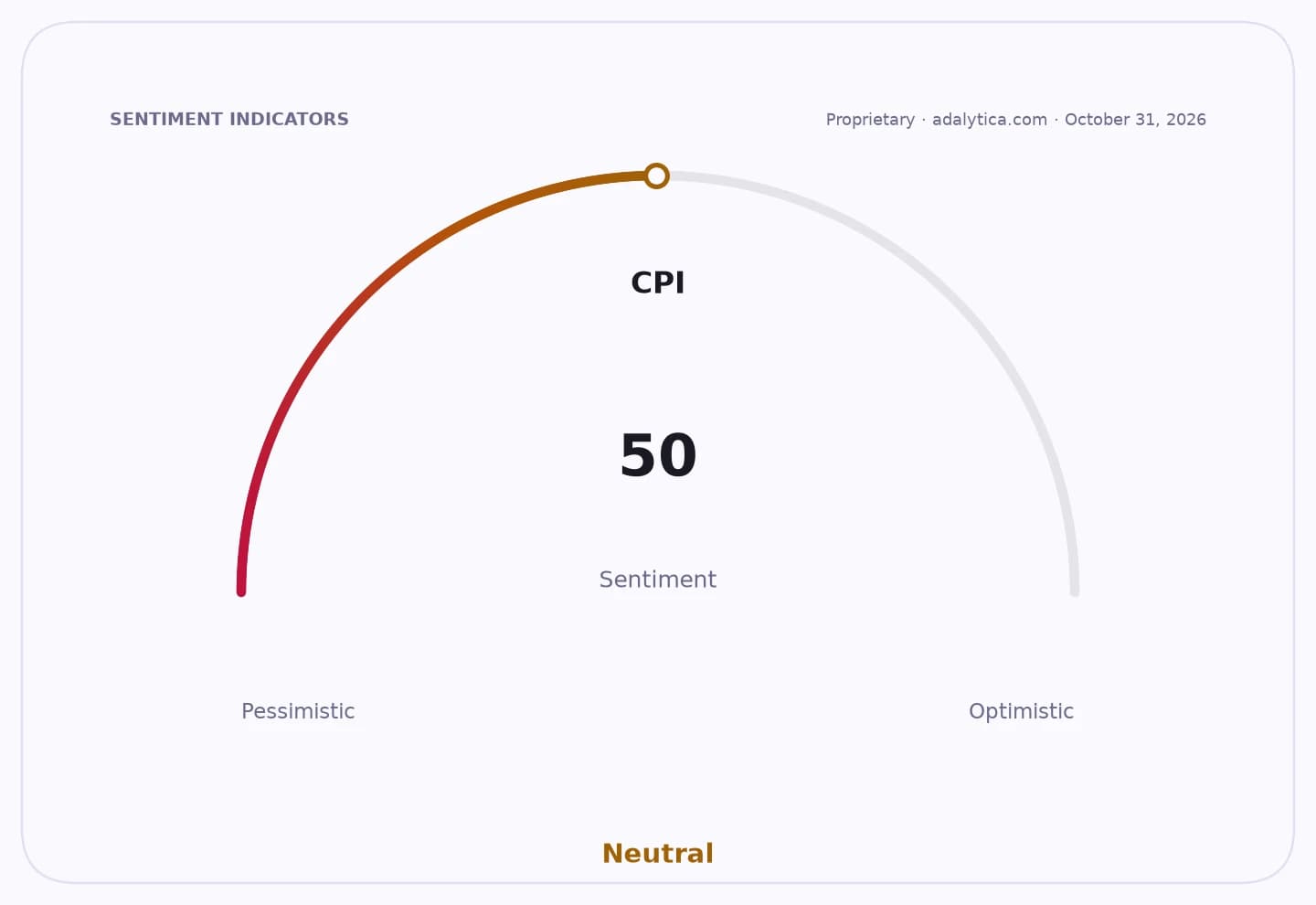
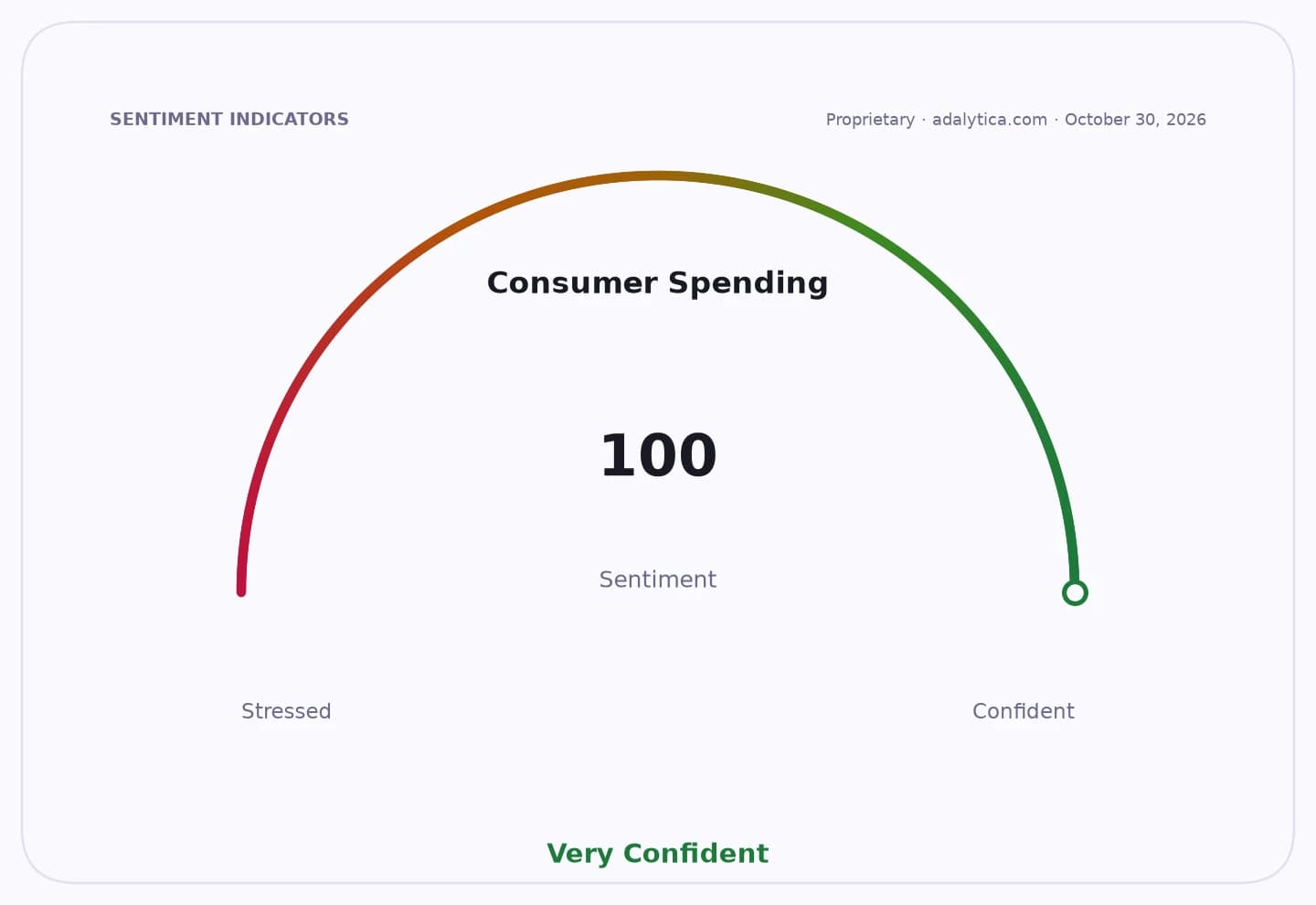
Sentiment Indicators
That matters economically because electricity access is no longer just a utility issue in Indonesia; it is becoming a consumption and productivity lever. Lower connection costs can accelerate electrification of households, support small enterprises that need more reliable power, and lift demand for PLN’s retail electricity volumes over time. In a market where energy costs are a visible household expense, a temporary discount is also a direct consumer stimulus.
For PLN, the offer is less about near-term revenue per connection than about widening the addressable base for future power sales. The utility is effectively trading some upfront fee income for a bigger installed customer base and higher load growth later. That can be attractive if the company is still trying to deepen usage in urban and suburban areas where many customers remain constrained by lower capacity levels.
Investors will read the move as a volume strategy rather than a margin story. The key question is whether the promotion converts into durable incremental demand, or whether it merely pulls forward upgrades that would have happened later. If uptake is strong, it can support PLN’s long-term sales mix and operating leverage. If not, the discount is simply a marketing cost with limited economic payoff.
The timing also fits a broader policy backdrop in which governments and utilities are leaning on targeted discounts, subsidies and efficiency incentives to cushion rising electricity costs and encourage energy modernization. But the downside is familiar: if power demand rises faster than network investment, the system will need more capital to keep service reliable, which can pressure returns.
For now, the immediate story is simple: PLN is using a 50% capacity-upgrade discount to make higher electricity use cheaper and more accessible until early November, betting that lower entry costs will translate into stronger demand and a broader base for future revenue growth.
| Entity | Gains | Losses |
|---|---|---|
| PLN | ▲higher future load | ▼near-term fee income |
| Households | ▲cheaper capacity upgrades | ▼incentive to delay upgrades |
| Small businesses | ▲lower power-entry cost | ▼smaller benefit if not upgrading |
| Network operators | ▲more connected load | ▼higher grid investment needs |