Amazon’s latest sale is putting 5-star single-door refrigerators below ₹19,000, turning lower electricity consumption into the central consumer pitch as households weigh upfront discounts against long-run power savings.
Amazon India cuts 5-star refrigerators below ₹19,000
Consumer Spending
The offer matters because refrigerators are among the few home appliances that run continuously, making energy efficiency a direct household cost issue rather than a marketing add-on. In a market where electricity bills are a sensitive monthly expense, the sale is pushing models from LG, Samsung, IFB, Whirlpool and Haier that advertise annual consumption as low as 112 kWh to 120 kWh, along with inverter compressors and longer cooling retention during outages.
Sentiment Indicators
The discounts, ranging from 22% to as much as 66% on selected listings, underscore how aggressively e-commerce platforms are using seasonal sales to move higher-rated appliances. That is especially relevant in the small-appliance and consumer-durables category, where buyers often trade off sticker price against lifetime operating costs. A 5-star direct-cool refrigerator typically appeals to smaller households, bachelors and first-time buyers who want lower bills and enough storage without moving into larger, more expensive frost-free models.
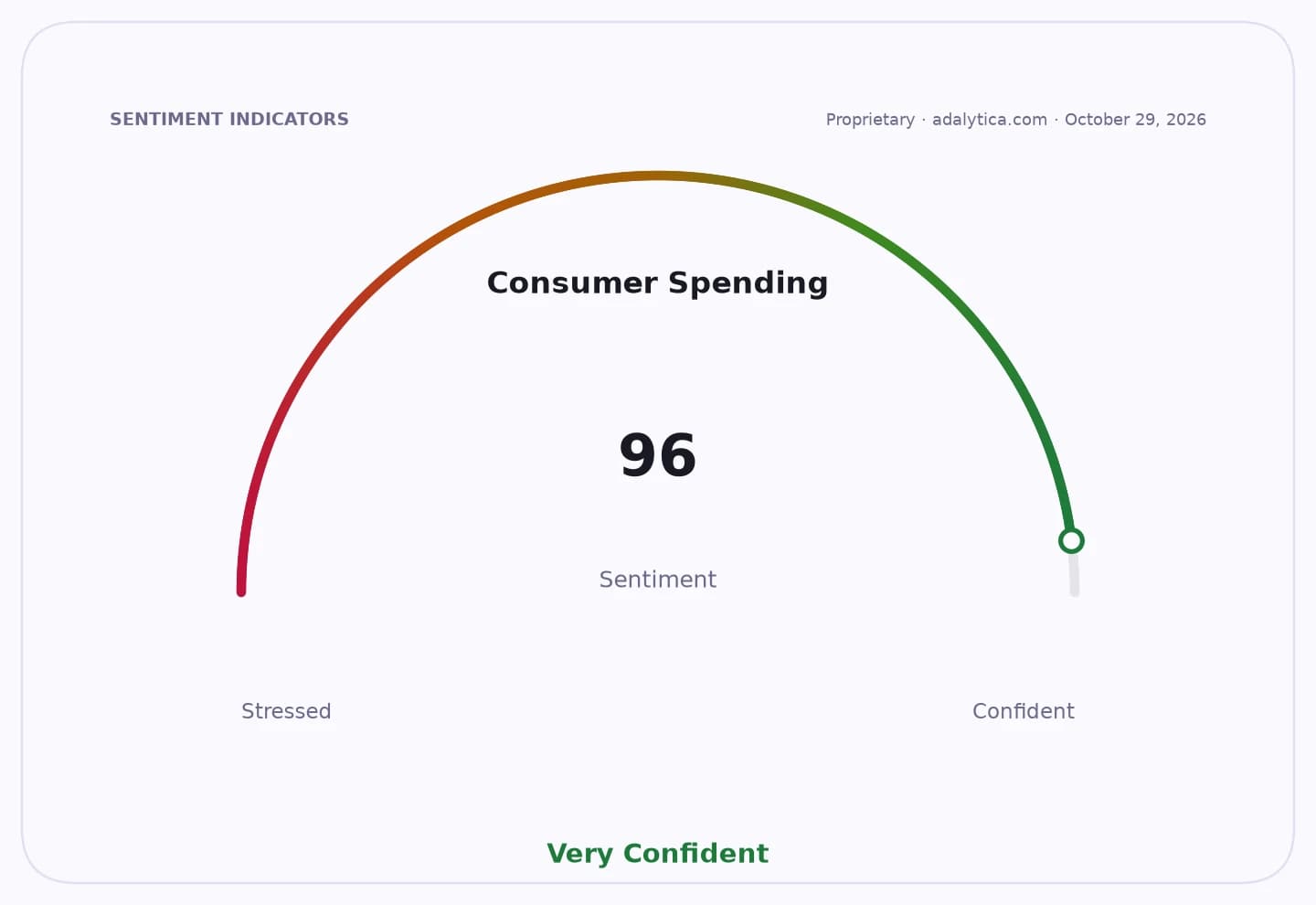
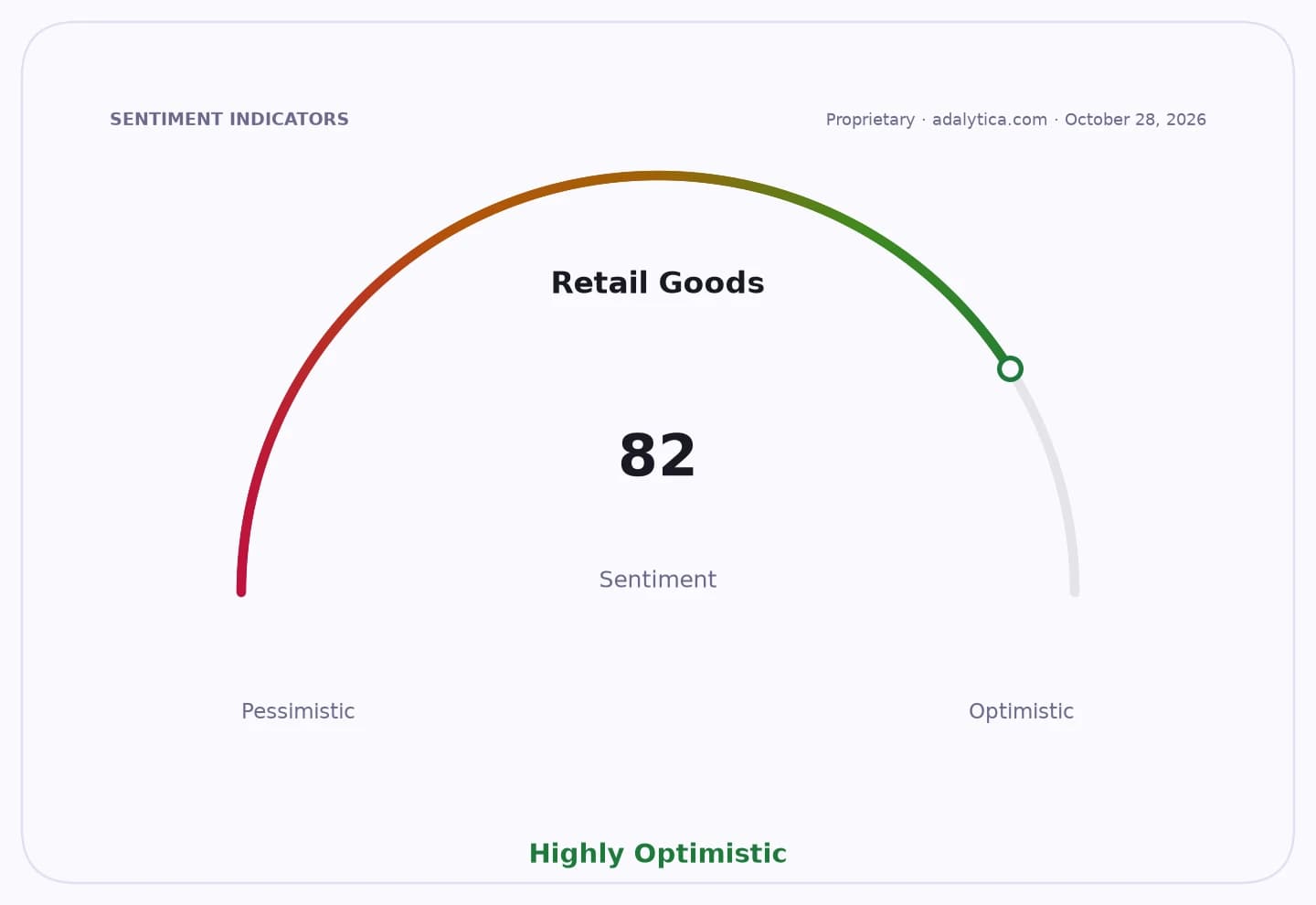
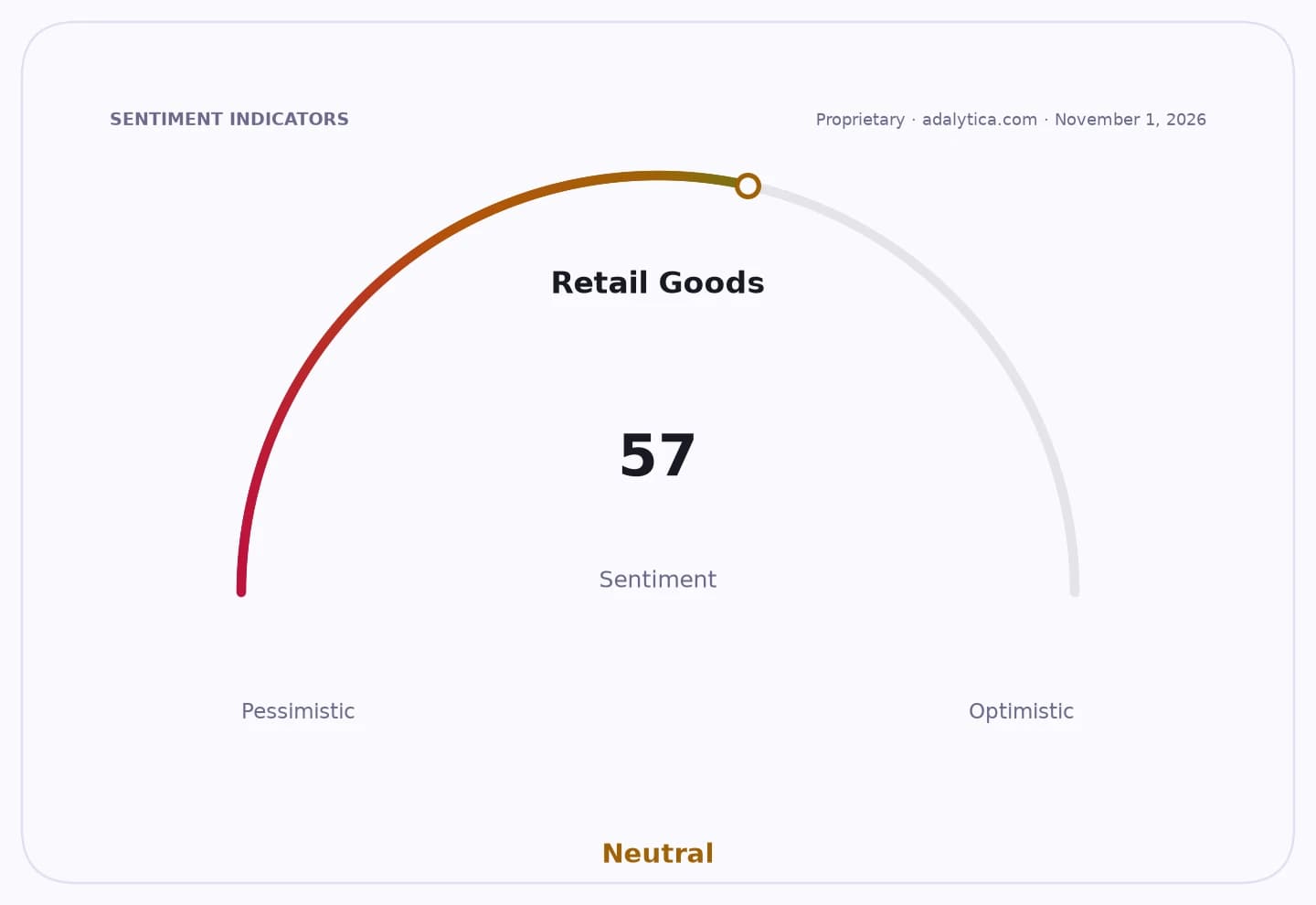
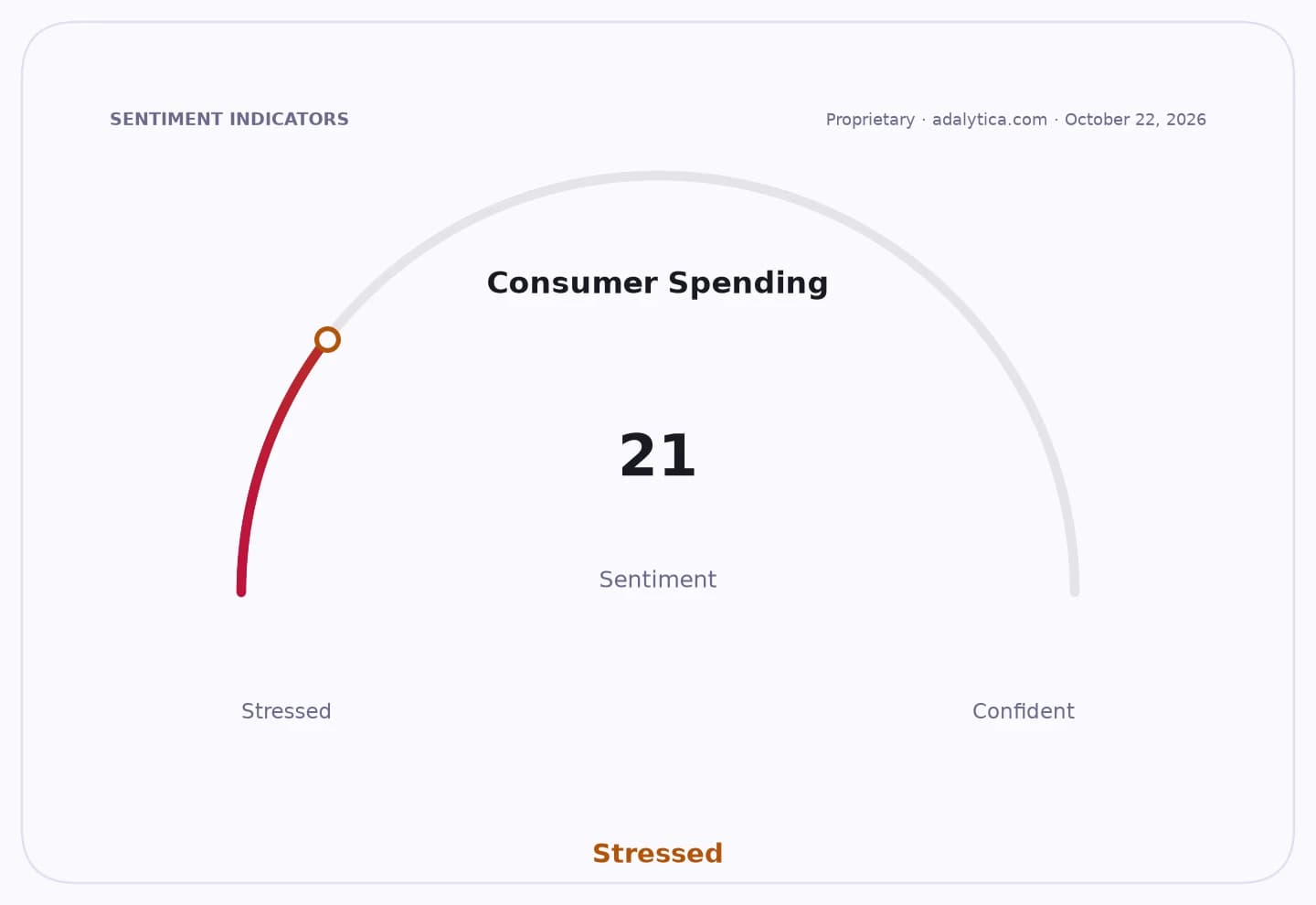
For Amazon, the promotion also plays into a broader spending cycle around durable goods. Adalytica’s consumer spending gauge shows sentiment at 100, or “Extreme Greed,” while retail goods spending sentiment remains neutral, suggesting appetite for promotions is strong but not evenly distributed across categories. That supports heavy discounting on high-consideration purchases such as refrigerators, especially when brands can highlight features like stabilizer-free operation, fast ice-making and 30-hour-plus cooling retention during power cuts.
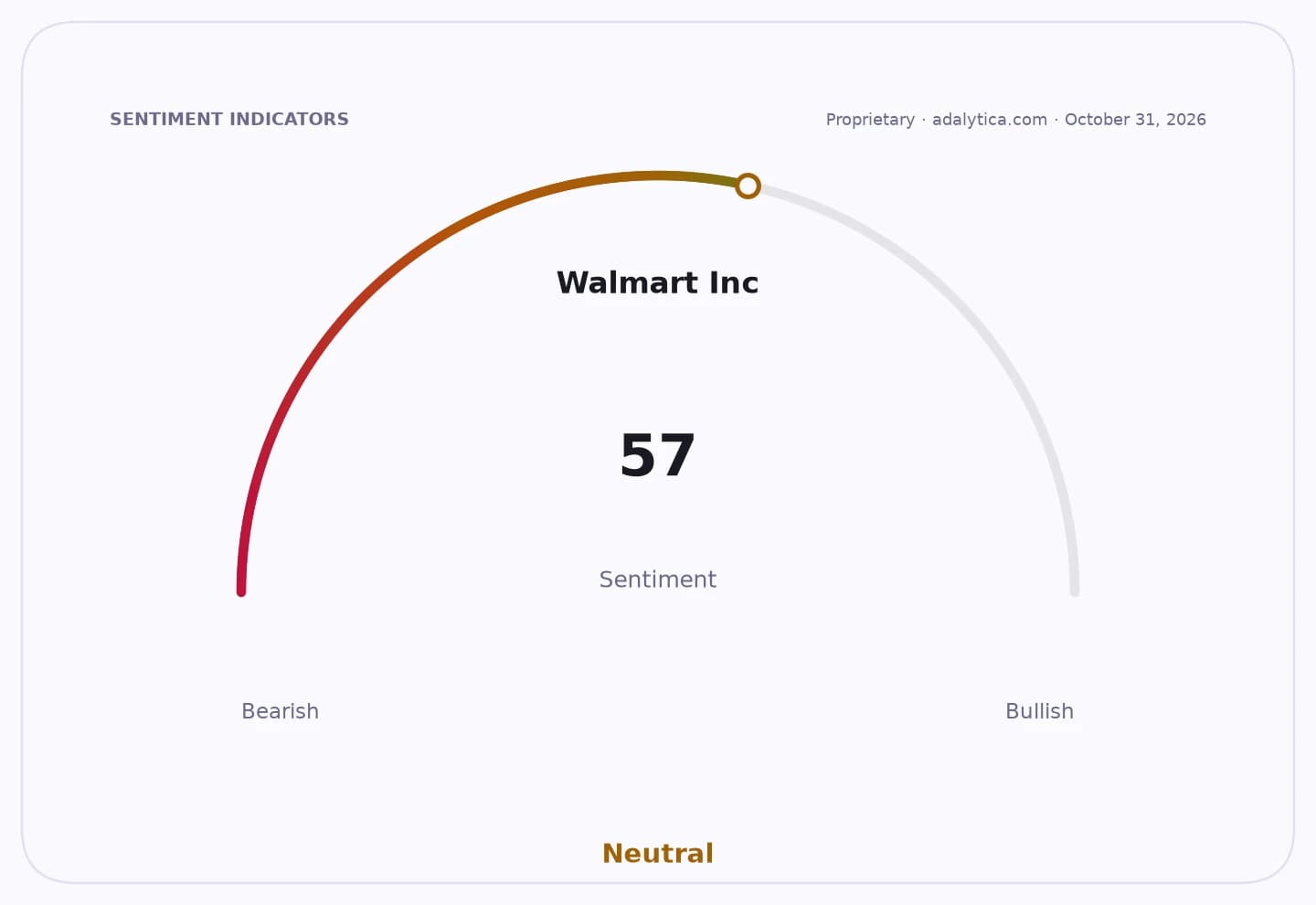
The sales campaign has broader implications for appliance makers. Whirlpool, in particular, has faced a difficult run in the stock market, with its shares at $29.17 on Oct. 30 versus a 52-week trading range that has swung sharply lower this year. Amazon’s price-led appliance push is unlikely to change fundamentals on its own, but it shows how competition in the category increasingly hinges on promotions, energy ratings and financing-friendly price points rather than brand alone.
For consumers, the immediate calculation is straightforward: lower entry price, lower running cost and a better shot at surviving grid interruptions. For sellers, the risk is margin pressure in a segment already defined by tariff costs, raw material inflation and promotional intensity. If demand holds through the festival window, energy-efficient appliances could remain one of the cleaner beneficiaries of India’s price-sensitive consumption trend.
| Entity | Gains | Losses |
|---|---|---|
| Amazon | ▲Higher festival traffic | ▼Margin pressure from discounts |
| Refrigerator brands | ▲Faster inventory turnover | ▼Pricing power |
| Consumers | ▲Lower upfront cost and bills | ▼Fewer full-price options |
| Whirlpool and peers | ▲Sales volume uplift | ▼Profitability from promotions |