MacBook Neo has fallen to its lowest price on Amazon, underscoring how aggressively retailers are leaning on laptop markdowns to convert cautious shoppers during the holiday selling season.
Amazon MacBook Neo hits lowest Amazon price
Consumer Spending
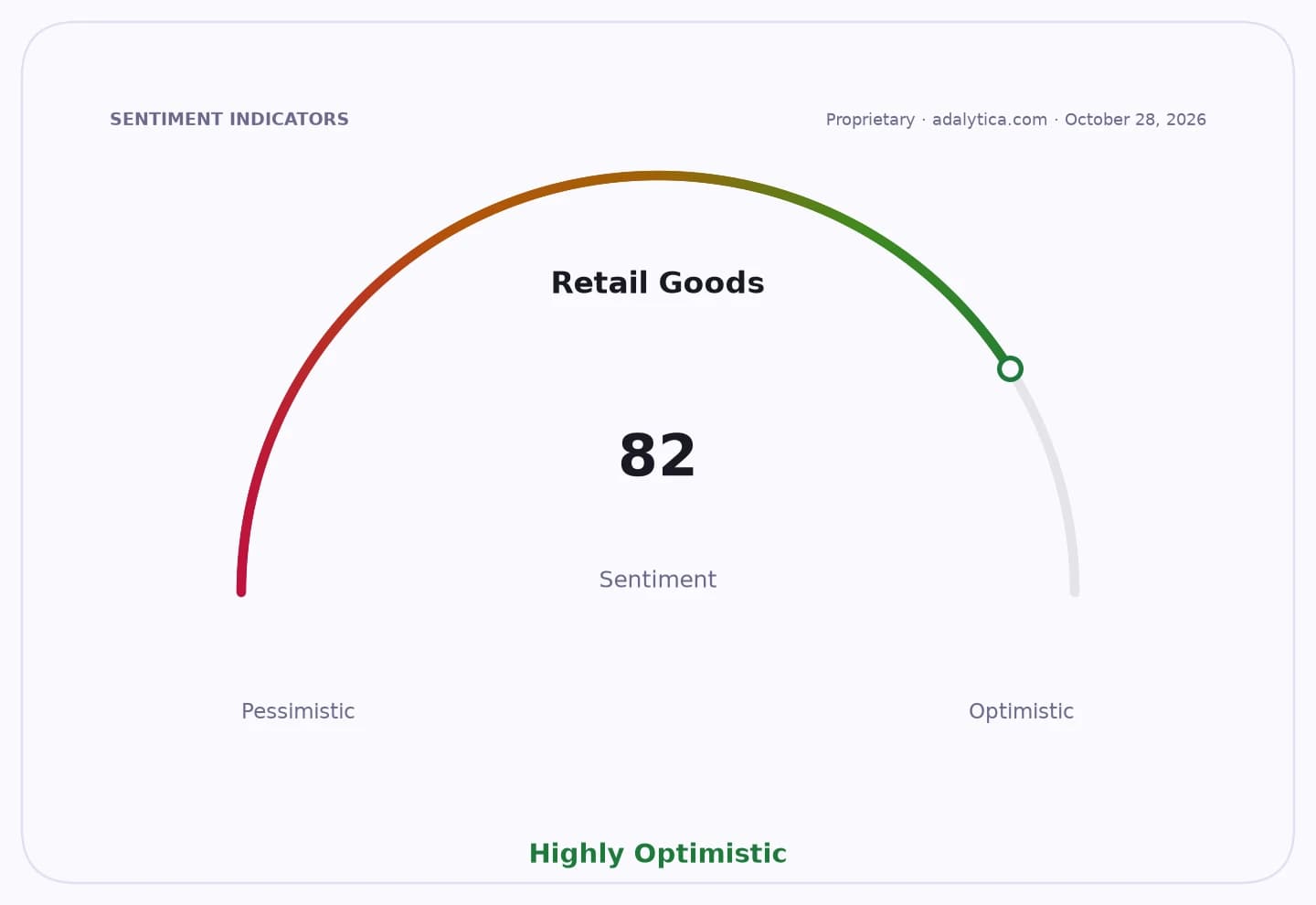
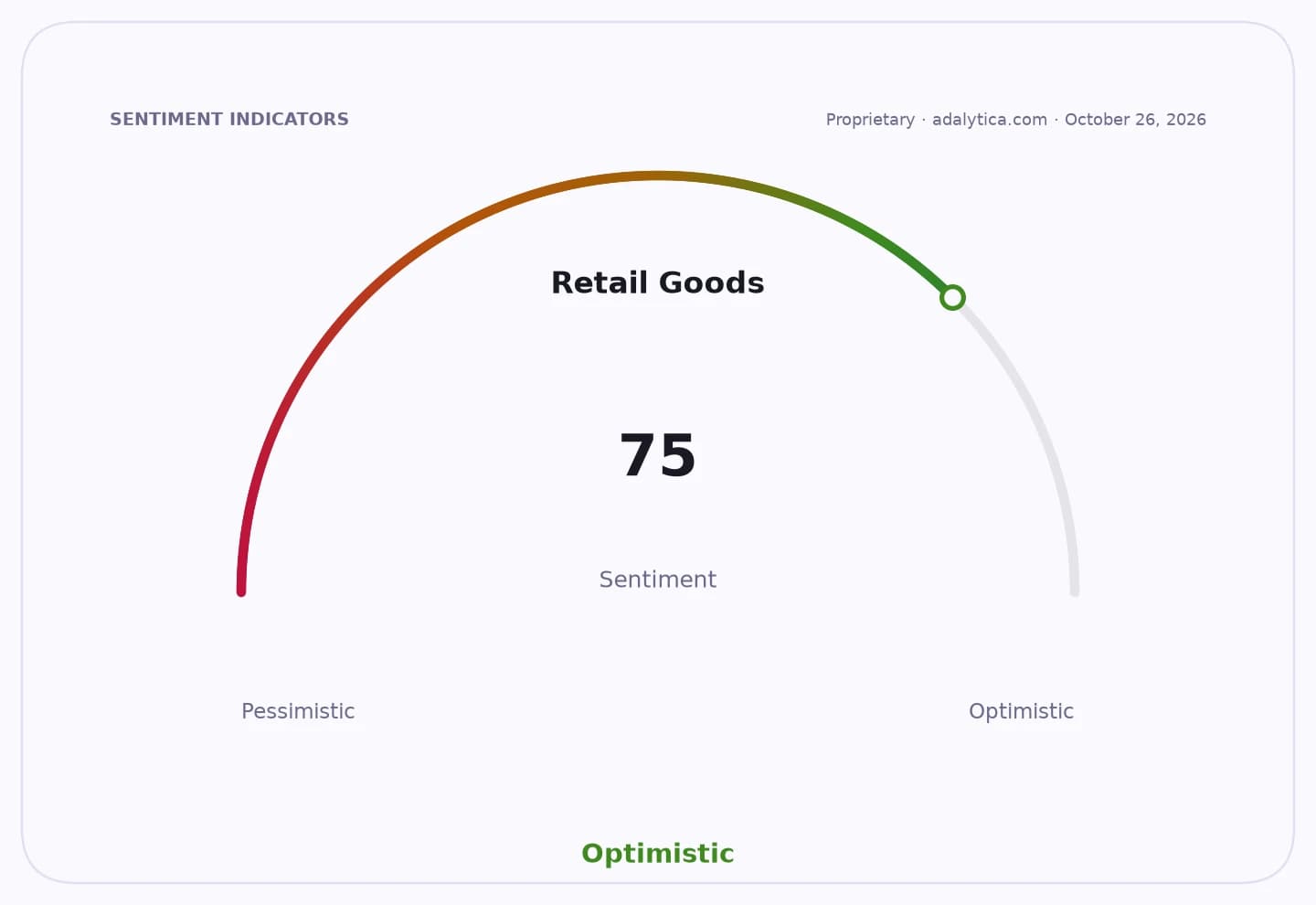
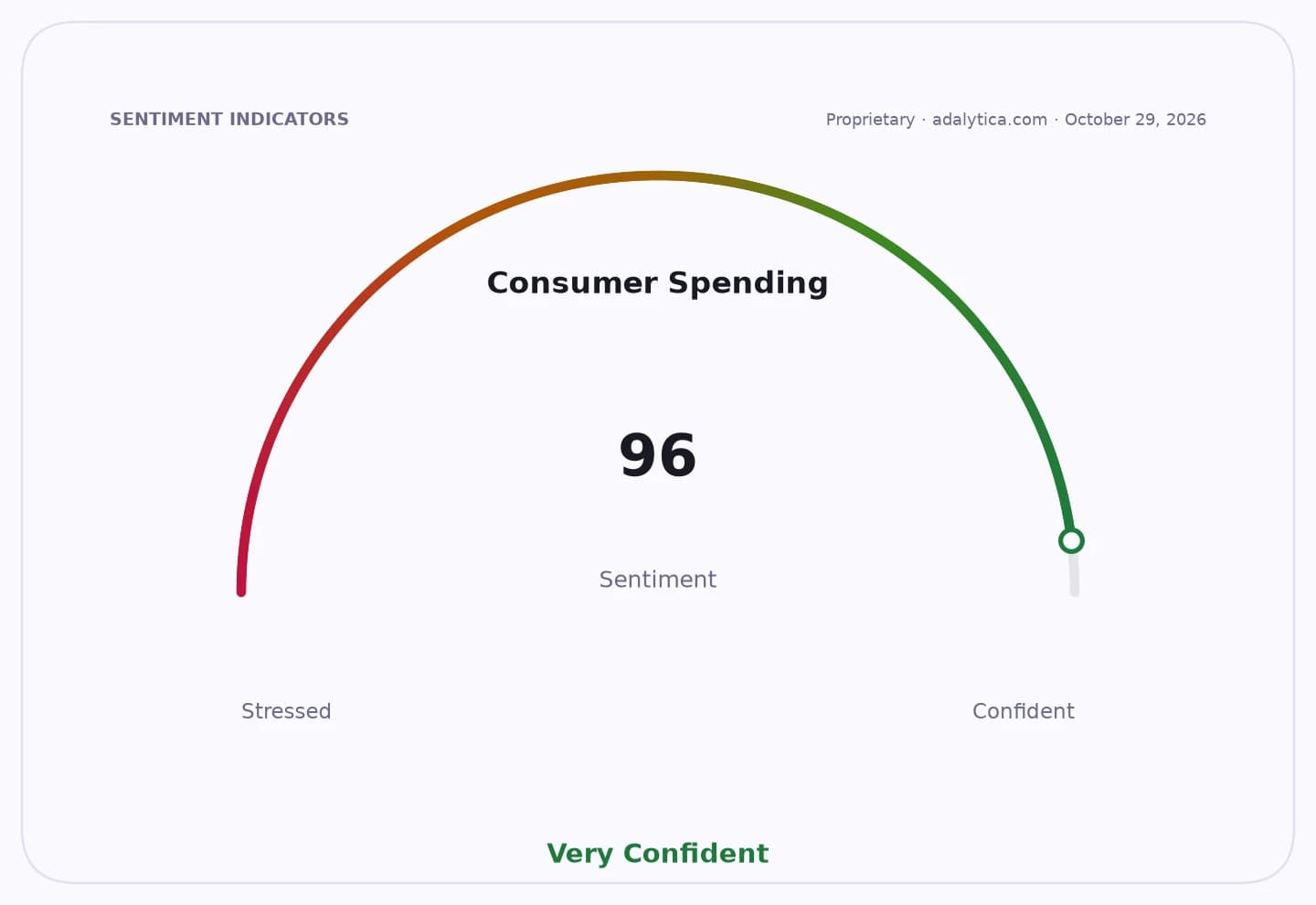
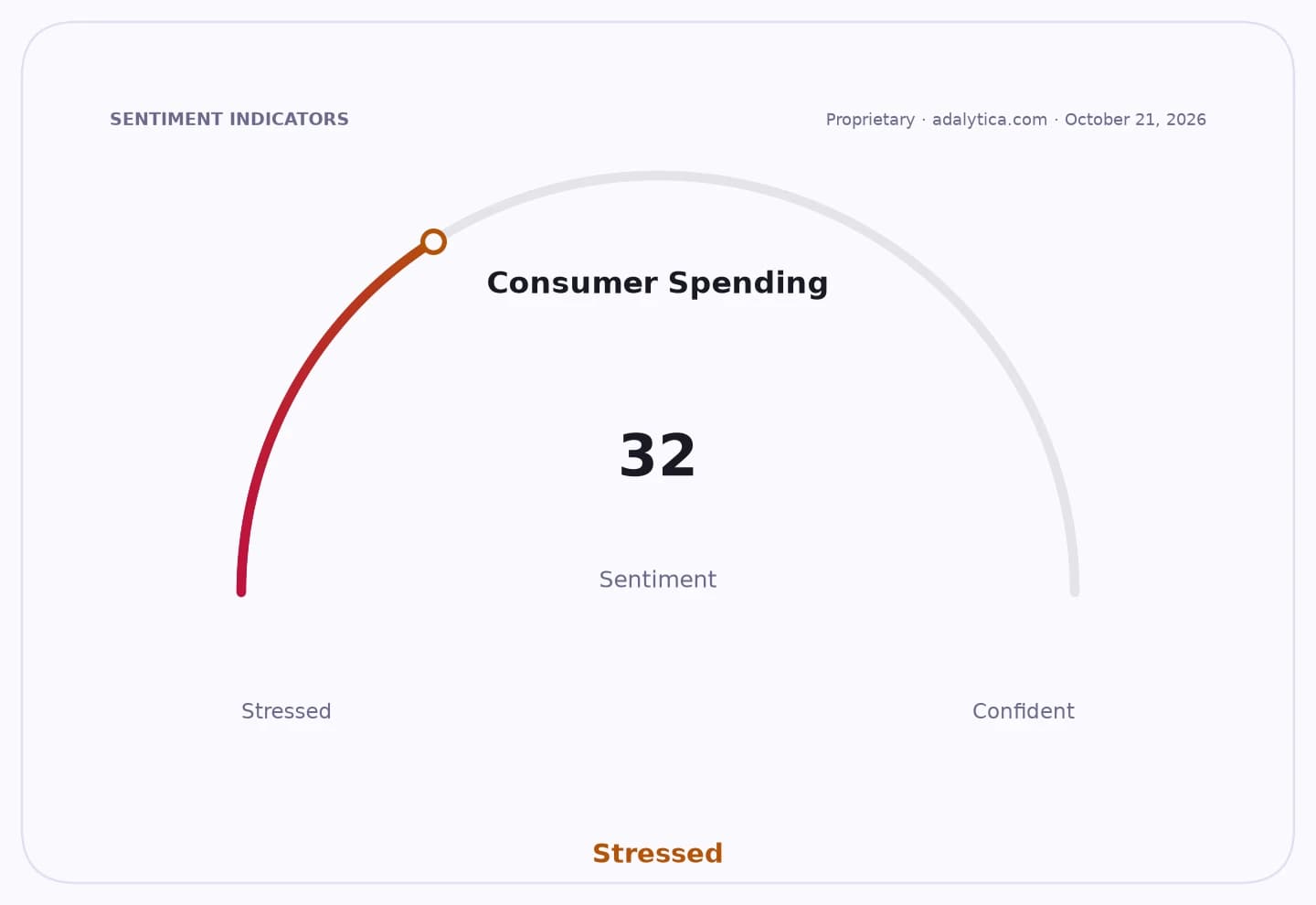
The drop matters because laptops remain one of the clearest battlegrounds in consumer electronics retail: big-ticket purchases are highly price sensitive, yet still draw enough demand to move inventory quickly when discounts are credible. With consumer spending sentiment from Adalytica at an extreme-greed reading of 96 and retail goods spending sentiment at 82, sellers have some room to push volume, but the broader discount environment is also making shoppers far less willing to accept headline promotions at face value.
Sentiment Indicators
That is why the “lowest price” claim is as important as the discount itself. Recent retailer controversies around misleading markdowns and system glitches have made buyers more skeptical of advertised savings, especially around major sales periods. A genuine low price on Amazon gives the company a simple competitive edge: it can capture demand from deal hunters who increasingly verify prices across sites before buying, while also creating urgency for those waiting on the sidelines.
For Apple, the move is more about channel dynamics than flagship pricing. The company has said new product introductions can shift sales timing and that costs and margins can come under pressure from component inflation and pricing competition. In the current environment, a lower street price on a MacBook model can help clear channel inventory, support unit sales, and defend share against Windows PC rivals, but it can also reinforce the market’s expectation that consumer electronics remain promotion-driven rather than structurally tight.
Investors in Amazon should read the discount as a sign of retail execution rather than margin strength. Heavy promotions can lift order volumes and support traffic, but they also remind the market that discretionary spending is still being won with price, not only with brand loyalty. The stock’s recent trading has been constructive, with Amazon above its 200-day moving average, but the latest dip alongside higher volume suggests traders remain sensitive to any read-through on consumer demand and retail economics.
The bull case is straightforward: if the discount is genuine and limited-time, Amazon can monetize holiday demand and Apple can keep Macs moving without damaging the premium franchise. The bear case is that the need for deeper markdowns signals a tougher backdrop for premium electronics, where volume growth may still require more price concession than investors would like.
What happens next will depend on whether similar pricing shows up across competing retailers. If it does, the market will read it as evidence that consumer electronics discounting is broadening, not isolated. If Amazon can hold the low price while rivals lag, it strengthens the case that the platform is still the first stop for shoppers looking to verify the best deal.
| Entity | Gains | Losses |
|---|---|---|
| Amazon | ▲More traffic and conversions | ▼Lower pricing power |
| Apple | ▲Faster channel sell-through | ▼Risk of premium erosion |
| Shoppers | ▲Lower purchase price | ▼Harder to trust discounts |
| Rival retailers | ▲— | ▼Pressure to match markdowns |