Comparing prices before buying has become routine for 90% of consumers in Spain, and that matters because it shows inflation is no longer just about sticker prices — it is increasingly about pricing power.
Amazon and Spanish price comparison shopping
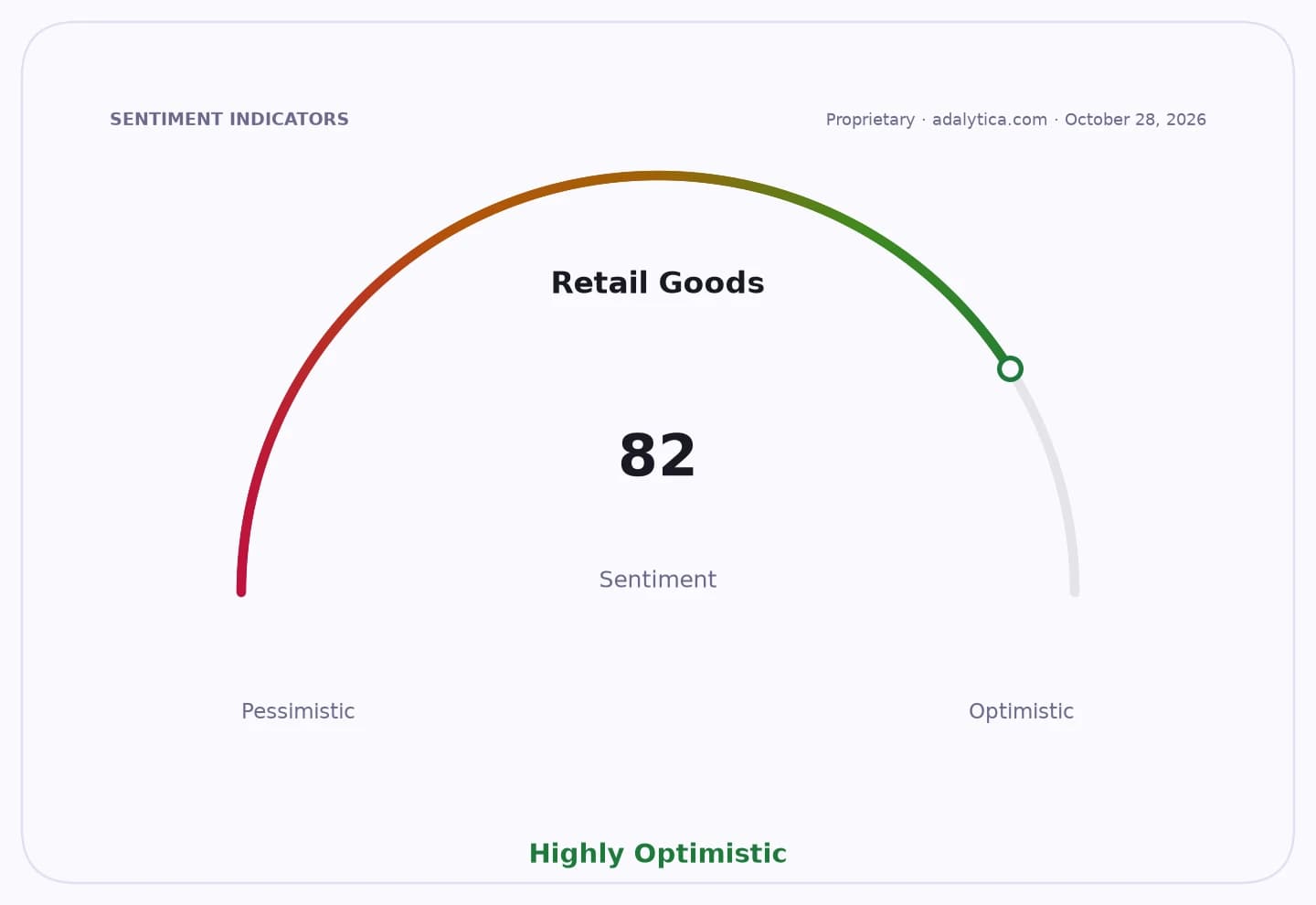
Retail Goods
For Amazon, that shift is both a risk and an opportunity. When shoppers are this disciplined, retailers and consumer brands cannot simply push through higher prices and expect volume to hold. The real winners are platforms that make comparison effortless, while the losers are the sellers that rely on brand loyalty, inertia or a little too much pricing ambition. In a market where Spanish consumers are checking prices almost by default, the checkout decision is being moved earlier in the process — long before the cart is filled.
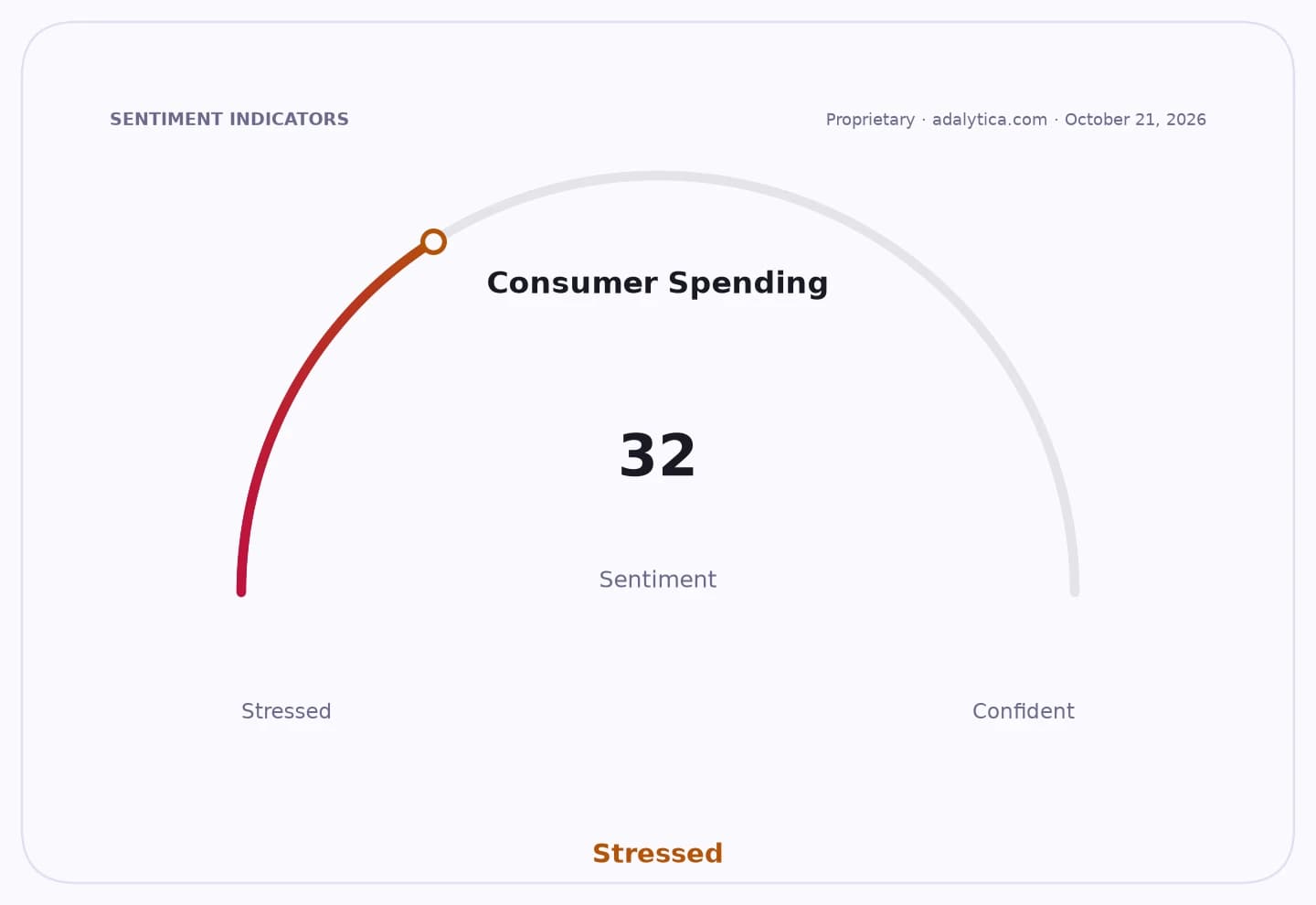
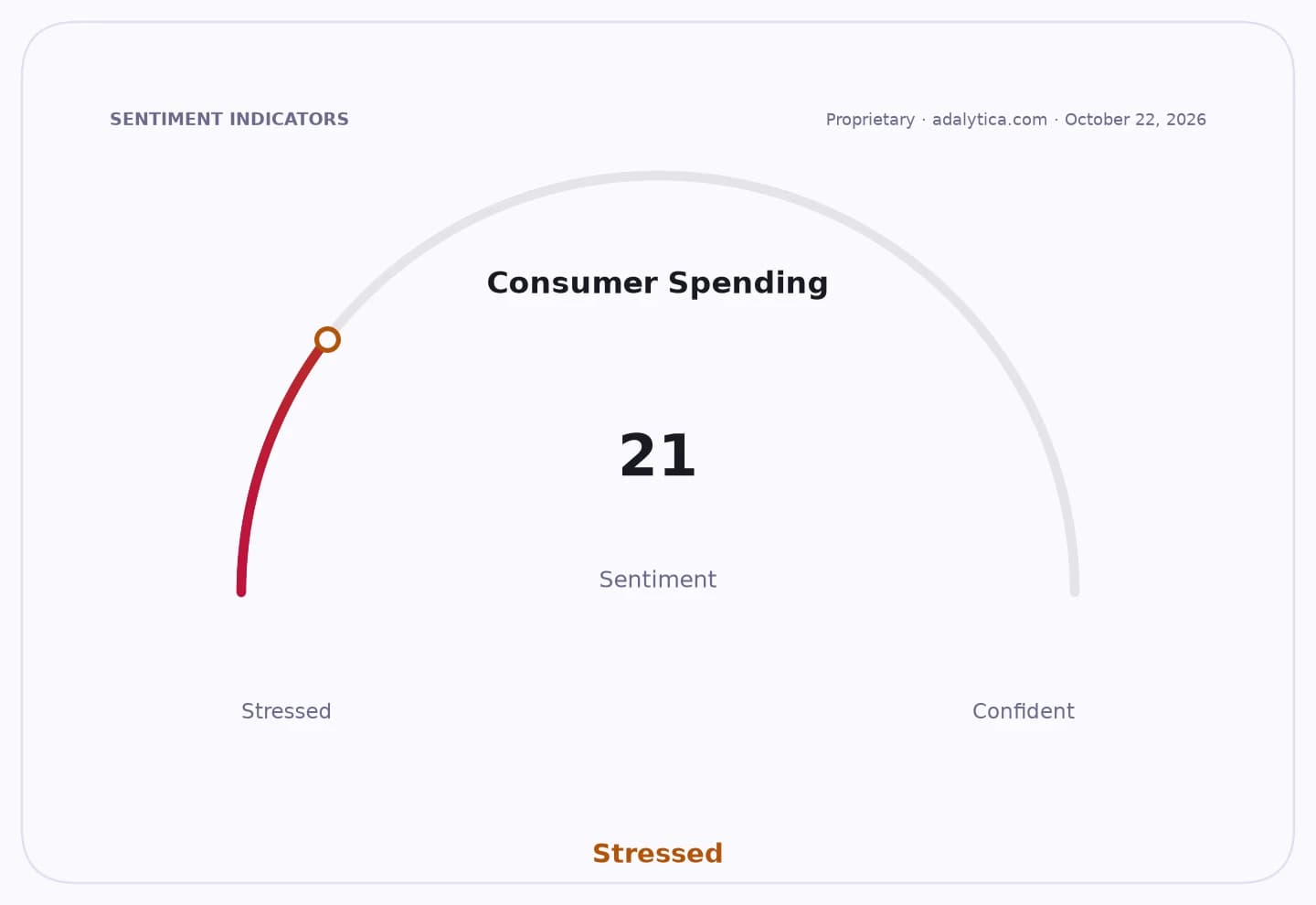
Sentiment Indicators
That helps explain why investors should pay close attention to Amazon’s role in the retail stack. Its marketplace model sits right at the point where price transparency, logistics and selection meet. When consumers are hunting for the best deal, the platform with the deepest assortment and fastest fulfillment tends to capture more traffic, more transactions and more ad dollars. In other words, the habit of comparison shopping is not just a sign of caution; it is a structural tailwind for the most efficient digital retailers.
The broader economic message is that pricing power is getting more selective. Recent consumer trends show basic basket prices still rising, but shoppers are responding faster to increases, forcing supermarkets and packaged-goods companies to cut prices on some staples while absorbing weaker demand elsewhere. That is exactly the kind of environment where premium brands can stumble, as seen in cases where price increases outpaced consumer tolerance, while companies with stronger perceived value have been rewarded with better sales and analyst upgrades.
Amazon’s stock action also reflects a market still wrestling with that balance. The shares remain well above the long-term trend, with the 50-day moving average still comfortably above the 200-day moving average, but recent trading has cooled from the summer surge as momentum indicators have normalized. That is not a warning to abandon the name. It is a reminder that the market is no longer paying for growth alone; it is paying for durable pricing, scale and operating leverage.
The investable takeaway is straightforward: the more consumers learn to compare, the more capital should flow toward the platforms that monetize price transparency rather than suffer from it. Amazon remains one of the cleanest ways to express that thesis, and Europe’s price-conscious shopper is reinforcing it.
| Entity | Gains | Losses |
|---|---|---|
| Amazon | ▲More marketplace traffic | ▼Less room for merchant markups |
| Price-comparison shoppers | ▲Lower prices | ▼Less impulse buying |
| Consumer brands | ▲Better product-value discipline | ▼Weaker pricing power |
| Traditional retailers | ▲Can cut prices selectively | ▼Margin pressure |