A cross-border pricing blind spot is becoming a real sales risk for online retailers, and the market is underestimating how much it can distort conversion, promotions and launch decisions.
Shopify, Amazon and Etsy on local pricing gaps

The problem is simple: customers do not all see the same offer. A shopper in Germany, the U.K. or Canada may face a different price, delivery charge, stock position or promotion than a customer browsing from a U.S. server, which means a single-office price check can produce a false picture of competitiveness. In a business where margins are thin and traffic is expensive, the wrong local assumption can mean lost sales before a retailer even realizes it is underpricing — or overpricing — itself.
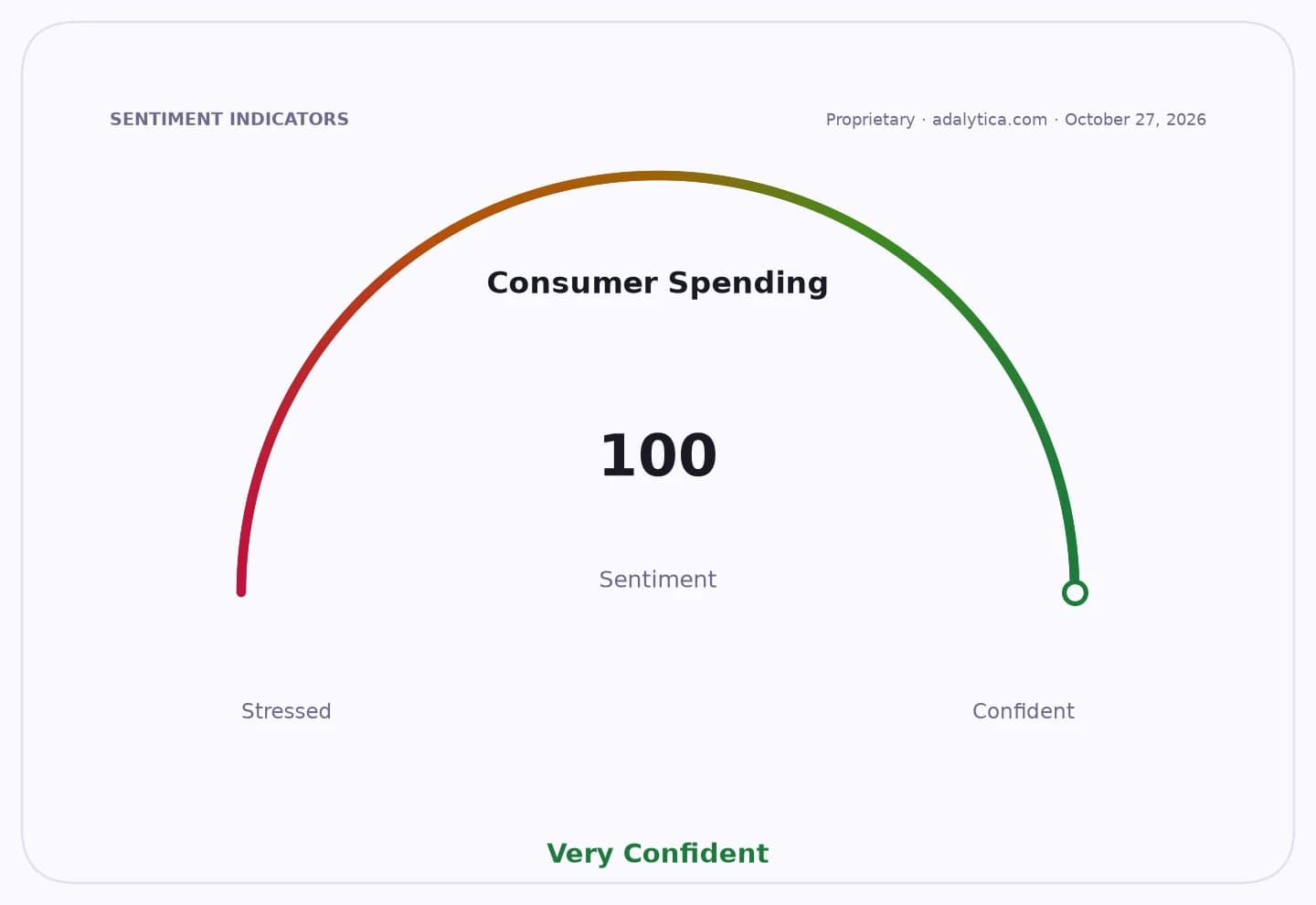
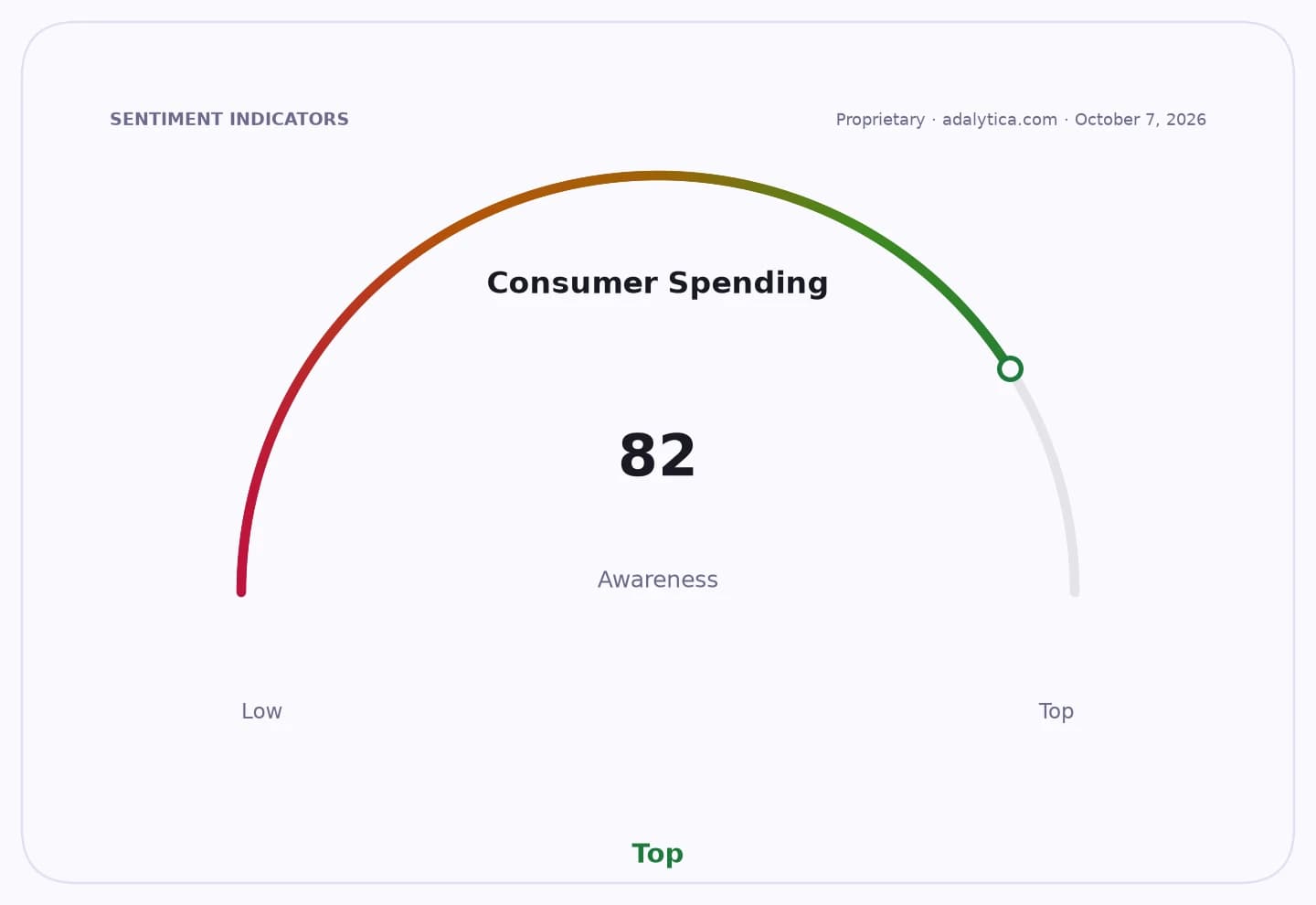
Sentiment Indicators
That matters economically because e-commerce growth is increasingly international, but pricing power is still local. Shopify already allows merchants to set prices by country or region, and Google Merchant Center supports different prices and stock availability across eligible markets. In other words, the infrastructure of online commerce itself is telling retailers that a product does not have one universal price. The final offer includes currency, delivery, promotions and stock, not just the sticker number.
For retailers, the hidden cost is strategic. A market-entry team that compares competitors from one location can miss Canadian discounts, city-specific shipping terms or inventory gaps in its target market. That can lead to a launch plan that looks sharp on paper but fails at the checkout screen. The better play is to build pricing intelligence around the customer’s location, not the company’s office, and to compare the total offer rather than a converted list price.
That shift has investable implications. E-commerce platforms and tooling providers that help merchants localize pricing, automate market monitoring and manage regional storefronts gain a structural tailwind as cross-border selling gets more complex. Meanwhile, retailers that rely on blunt global price lists risk weaker conversion and more promotional waste. The market is especially likely to reward businesses that can see and act on local price differences faster than rivals.
The stock tape also shows how relevant this theme is for the larger e-commerce names. Shopify has been volatile but remains well above its 200-day moving average, while Amazon has held above both its 50-day and 200-day moving averages even after a pullback. Etsy, which is more exposed to cross-border seller dynamics, has also traded well above its 200-day average. Those moves suggest investors still favor platforms with pricing and marketplace flexibility over retailers that depend on a one-size-fits-all checkout.
The bigger thesis is that local pricing intelligence is becoming part of the new retail infrastructure. As inflation, tariffs, de minimis changes and regional delivery economics keep fragmenting the consumer basket, the winners will be the companies that can price by market, not by assumption. For investors, that means the best opportunities are likely in the picks-and-shovels layer: e-commerce software, marketplace platforms and data tools that help sellers see what shoppers actually see.
| Entity | Gains | Losses |
|---|---|---|
| Shopify | ▲Regional pricing tools demand | ▼One-size-fits-all sellers |
| Amazon | ▲Marketplace flexibility | ▼Manual price trackers |
| Etsy | ▲Cross-border seller intelligence | ▼Export-heavy merchants with blind spots |
| Online retailers without local checks | ▲None | ▼Missed sales and margin leakage |