Amazon’s Great Indian Festival is being powered increasingly by small sellers from India’s Tier 2 and Tier 3 cities, a shift that matters because it broadens the platform’s growth base beyond metro consumers and large brands while deepening participation from the country’s fragmented small-business economy.
Amazon India festival sales rise among small sellers
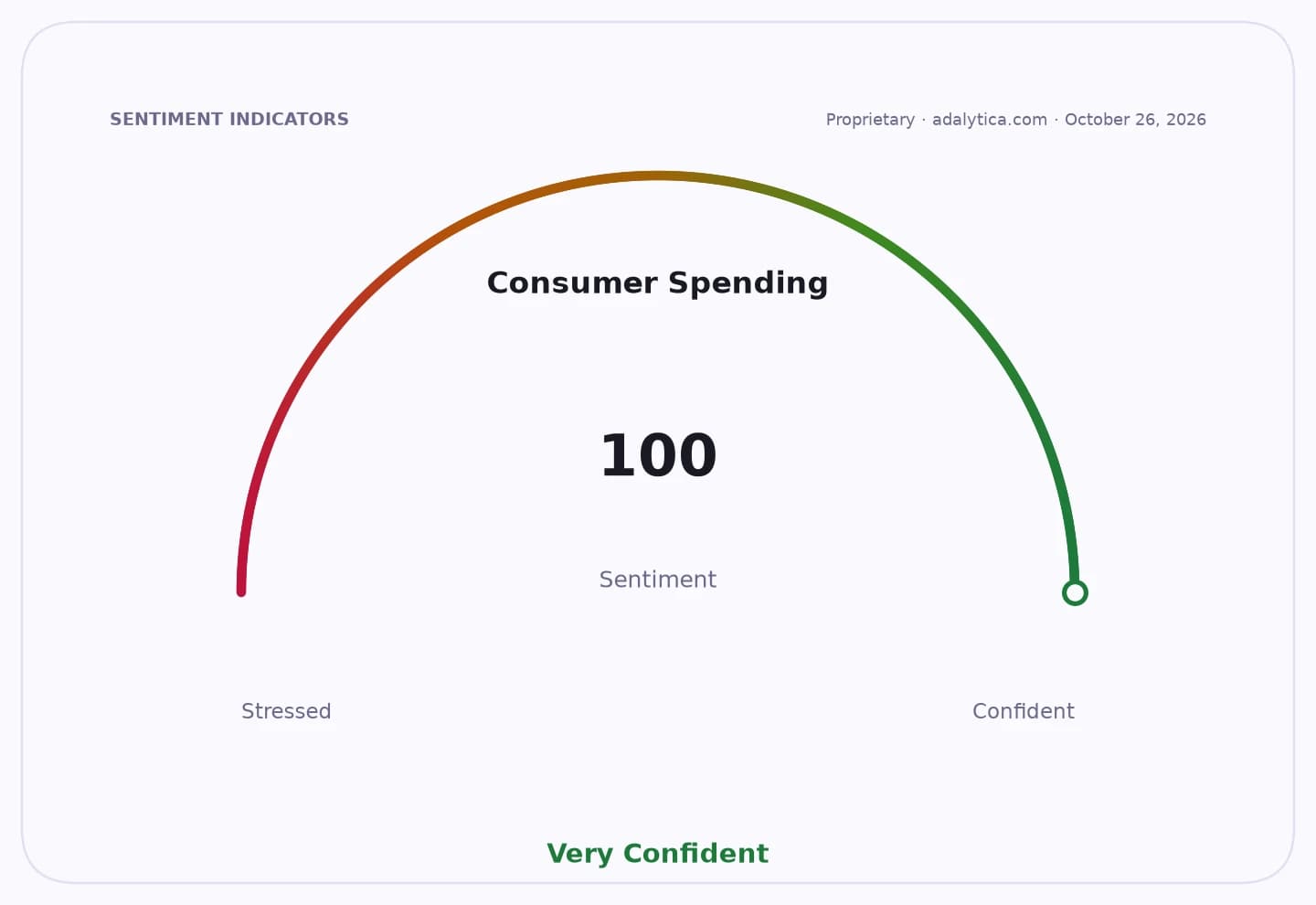
Consumer Spending
Amazon said new sellers recorded more than 2.5 times growth in units sold during the 2026 event, while the number of small businesses crossing Rs 10 lakh in sales rose more than fourfold. For Amazon, that suggests festive demand is not just expanding in volume but is also reaching a wider pool of merchants, a key advantage in a market where assortment, pricing and last-mile reach often determine who wins share.
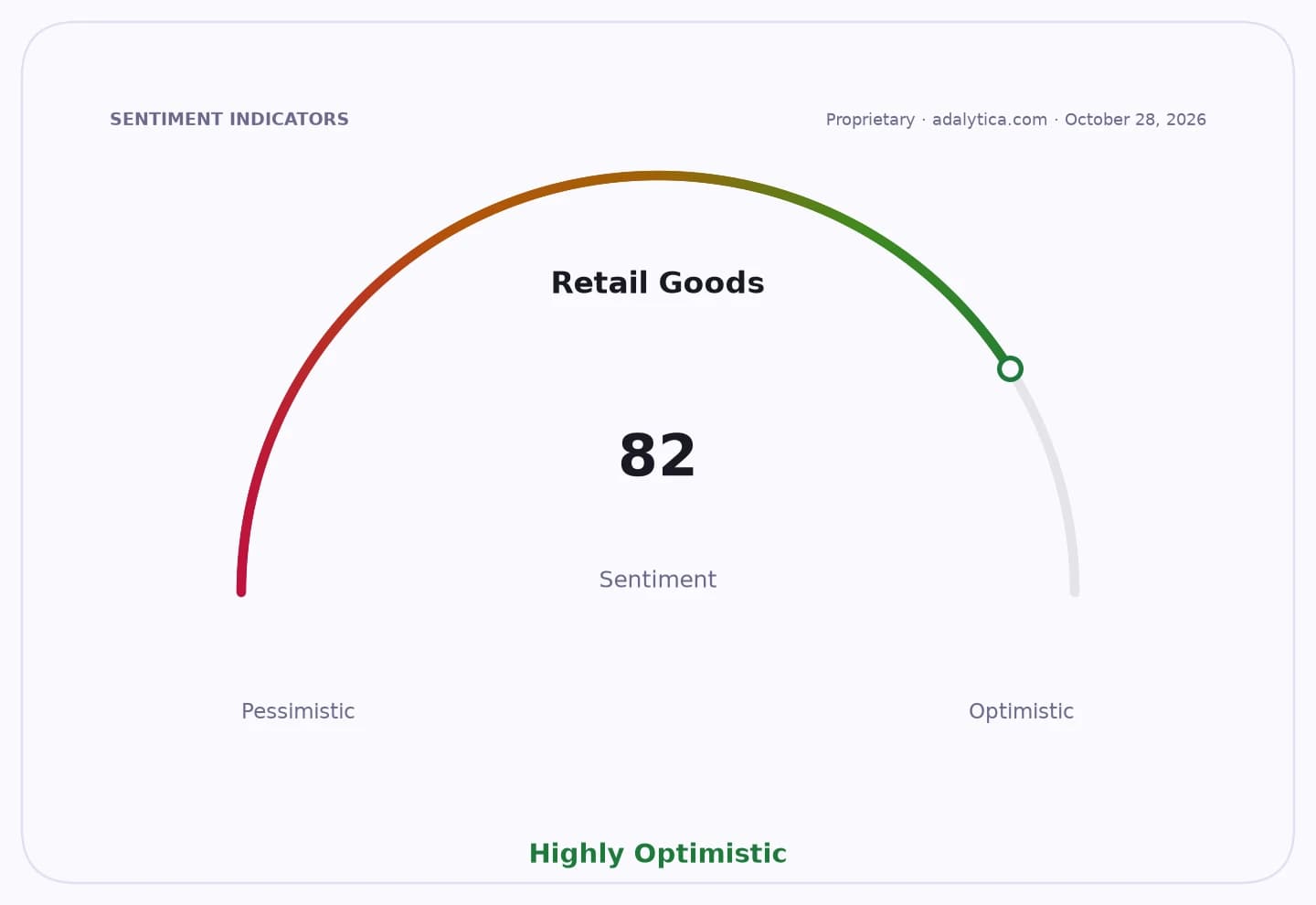
Sentiment Indicators
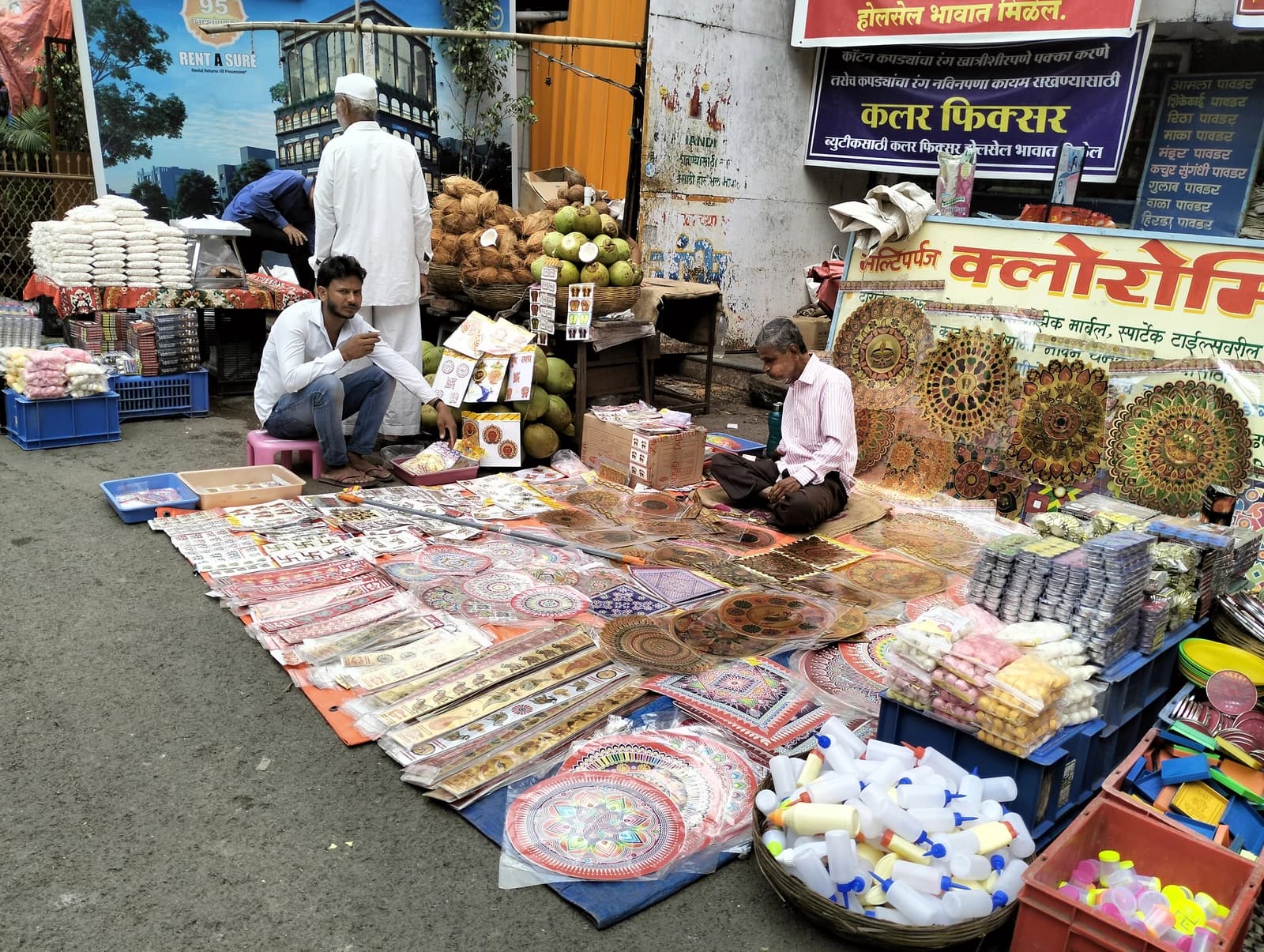
The trend also points to a structural change in Indian e-commerce. Tier 2 and Tier 3 cities have become an increasingly important source of supply as digital adoption, logistics networks and seller onboarding improve outside the biggest urban centers. That matters economically because it spreads online commerce gains into smaller business hubs, supporting income generation and inventory turnover for local entrepreneurs rather than concentrating the upside in a handful of metropolitan sellers.
For investors, the data is a reminder that Amazon’s India business is still in the scaling phase, with seller diversification potentially supporting transaction growth, broader selection and better customer retention. Strong participation from smaller merchants can improve marketplace liquidity and help Amazon defend share against rivals, but it also depends on sustained consumer spending, delivery execution and merchant economics during the year-end shopping season.
The backdrop is not without risk. Recent reports of warehouse disruptions and inventory stress in parts of the e-commerce ecosystem have underscored how fragile festive supply can be when sellers face stock losses or cash-flow pressure. That makes seller support, fulfilment reliability and restocking capacity central to whether this growth can be sustained beyond the festival window.
For Amazon, the message from the Great Indian Festival is that India’s next leg of e-commerce growth may be coming from the country’s smaller cities and smaller businesses. Whether that translates into durable market share gains will depend on how well the company keeps those sellers active, stocked and profitable.
| Entity | Gains | Losses |
|---|---|---|
| Amazon | ▲Broader marketplace growth | ▼Reliance on flawless fulfilment |
| Small sellers in Tier 2/3 cities | ▲Higher festive sales | ▼Logistics and inventory strain |
| Consumers | ▲Wider assortment, competitive pricing | ▼Fewer choices if stockouts rise |
| Rival platforms | ▲— | ▼Pressure on share and seller acquisition |