Festive-season shopping in India is taking a hit just as retailers normally depend on the year’s biggest spending rush, with traders in New Delhi saying sales have fallen by as much as two-thirds amid protests and police crackdowns.
India festival shopping falls amid protests
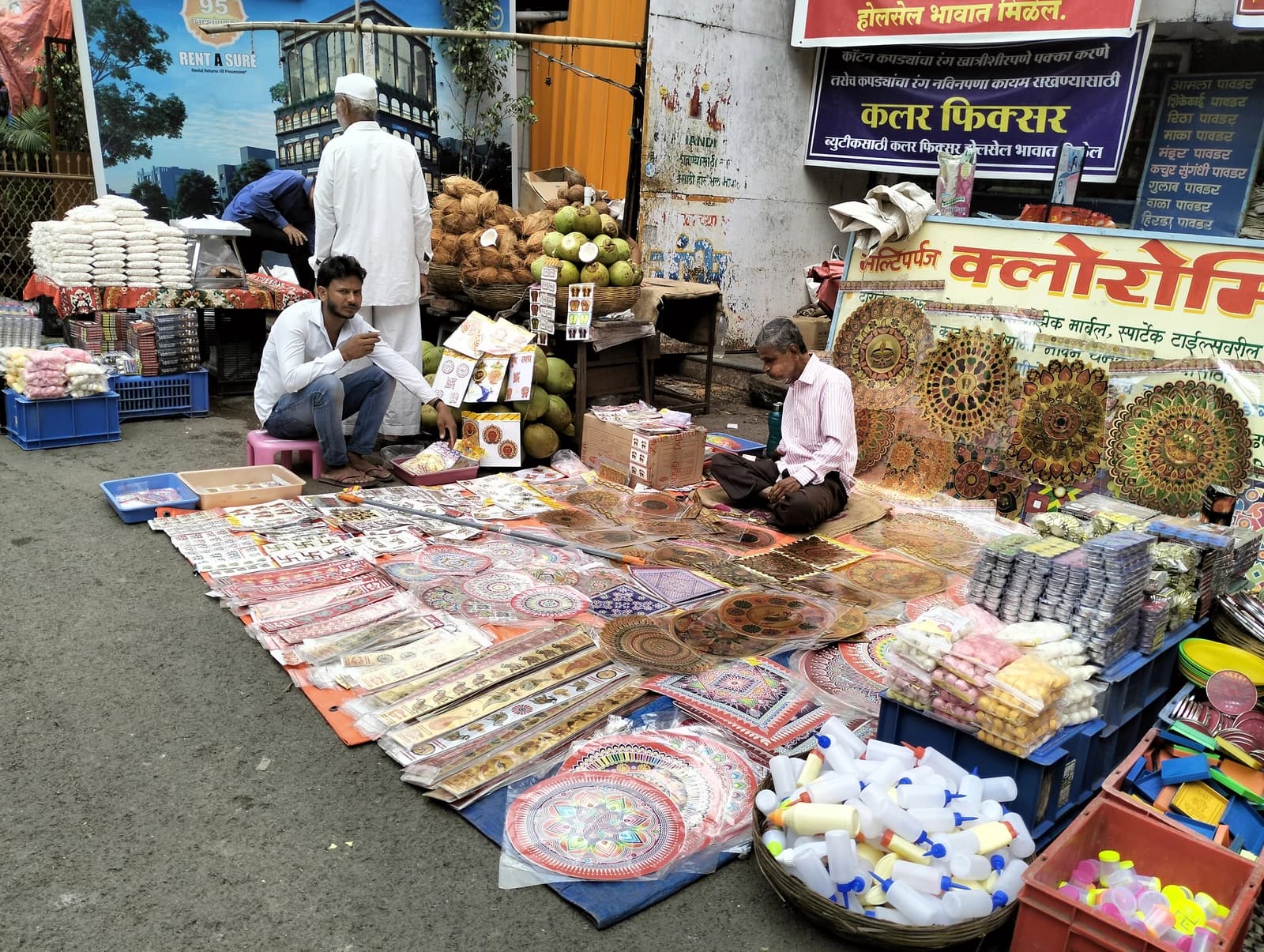
That matters because India’s festival period is not just a cultural moment — it is a crucial demand engine for small merchants, wholesalers and consumer brands that rely on a short window of heavy buying to make up for slower months. If commerce is being interrupted, the damage reaches well beyond street vendors and bazaars: it can ripple into inventory orders, cash flow, hiring and the broader consumer economy at a time when growth still leans heavily on domestic demand.
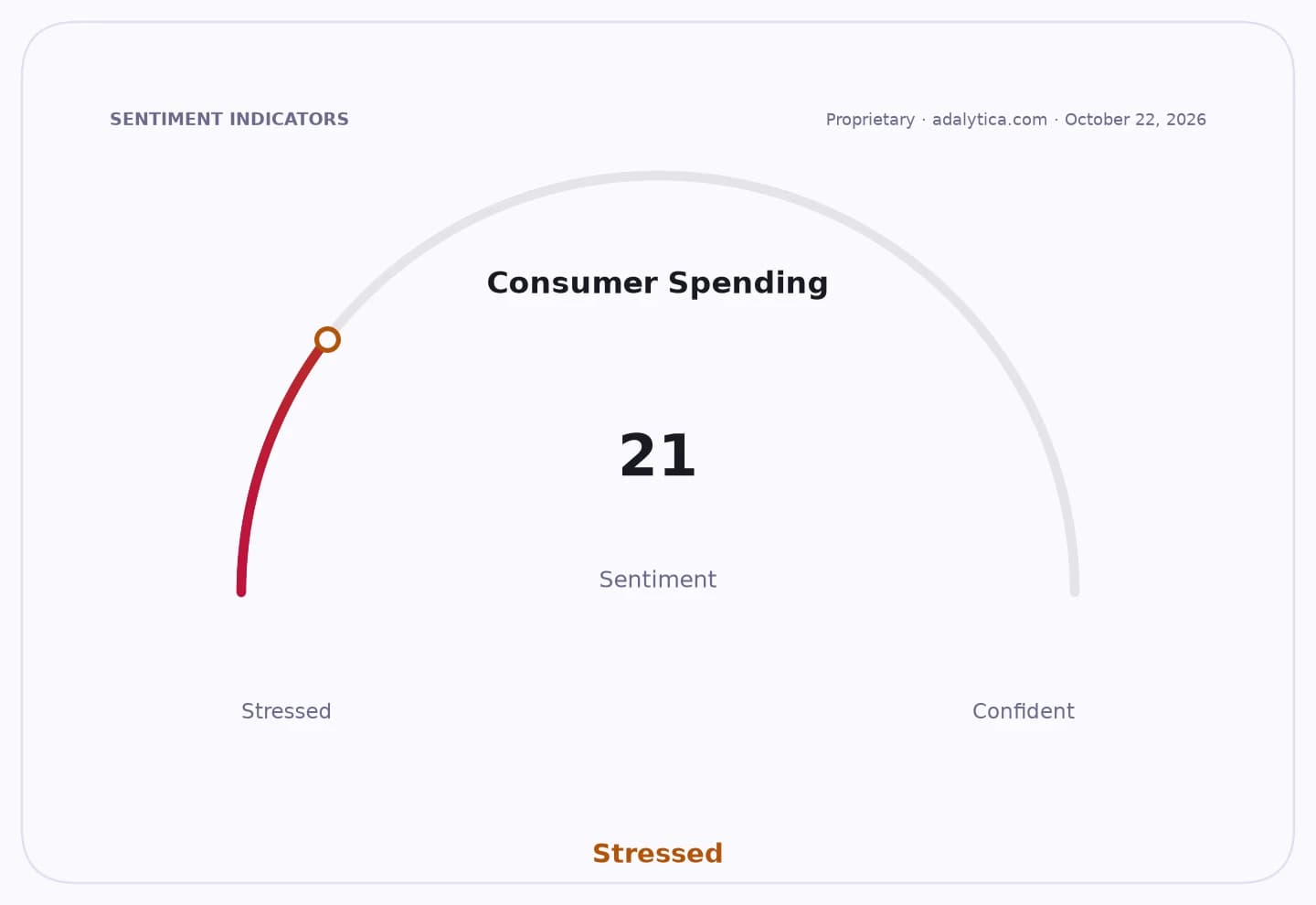
Sentiment IndicatorsⓘProprietary · adalytica.com · October 23, 2026
This is a snapshot — live sentiment, awareness and momentum for 130+ markets update continuously in the dashboard.Open AlphaPulse
Industry groups say the daily economic risk is about $42 million, a meaningful loss for a retail sector that is especially dependent on foot traffic, market access and predictable trading conditions. For thousands of small businesses, a weak festive season can mean unsold stock, strained working capital and delayed payments to suppliers. That kind of pressure tends to hit the informal economy first, but it can also filter up to larger consumer-facing companies if shoppers simply buy less.
For investors, the immediate question is whether the disruption is a one-off local shock or a wider warning sign about consumer momentum in India. Retail, staples, discretionary spending and even logistics-linked businesses can feel the effect if protests keep shoppers away or lead to tighter enforcement that makes it harder to move goods. In a market where India is often valued for its long-term consumption story, any stumble during the peak shopping season is worth watching closely.
The bigger narrative is straightforward: India’s growth story still depends on a healthy consumer, and festival sales are one of the clearest real-time tests of that strength. If order books and store traffic remain weak, the pain will be immediate for merchants, but the long-term opportunity for investors remains in companies that can keep taking market share, control costs and compound through volatility. For now, this looks less like a reason to abandon India than a reminder to favor durable businesses and diversified exposure while the unrest plays out.
| Entity | Gains | Losses |
|---|---|---|
| Small traders | ▲Little to none | ▼Lost festival sales |
| Consumers | ▲Potentially lower prices later | ▼Fewer shopping options |
| Large retailers | ▲Market share if disruption lingers | ▼Softer foot traffic |
| India consumer economy | ▲Long-term push for stability | ▼Near-term demand hit |