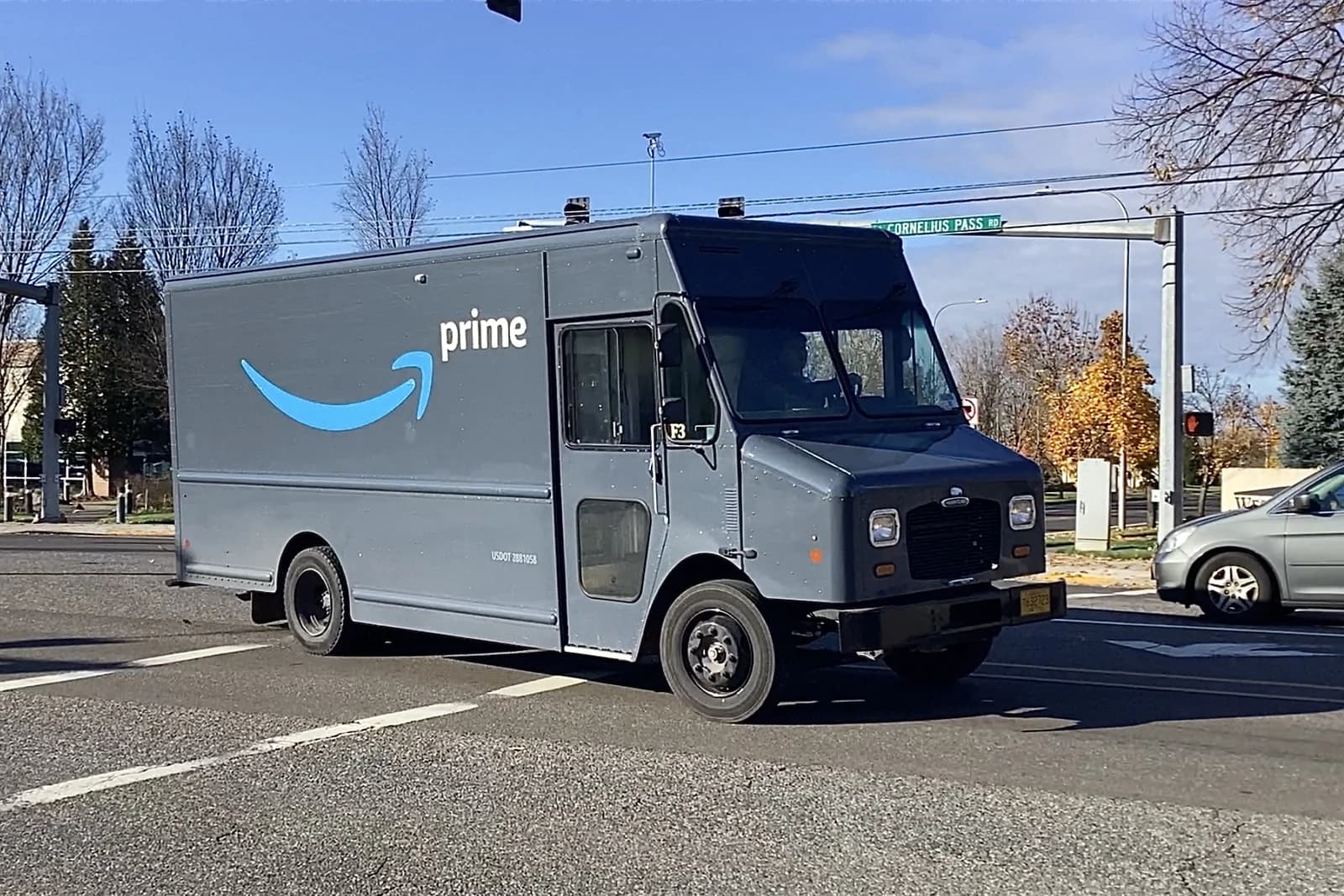
Amazon is using early Prime Day discounts to keep shoppers spending even as consumer sentiment deteriorates, turning the four-day event into a read on discretionary demand for the broader retail sector.
Amazon Prime Day Early Discounts Target Value Shoppers

The company has already rolled out deals across more than 35 categories ahead of its June 23-26 shopping window, with discounts under $40 spanning wellness, home goods, electronics and everyday essentials. The early markdowns, ranging from a $15.39 shampoo-and-conditioner set to a $39.99 Waterpik flosser, suggest Amazon is leaning on low-ticket, impulse-friendly items to drive traffic at a time when households are more price sensitive.
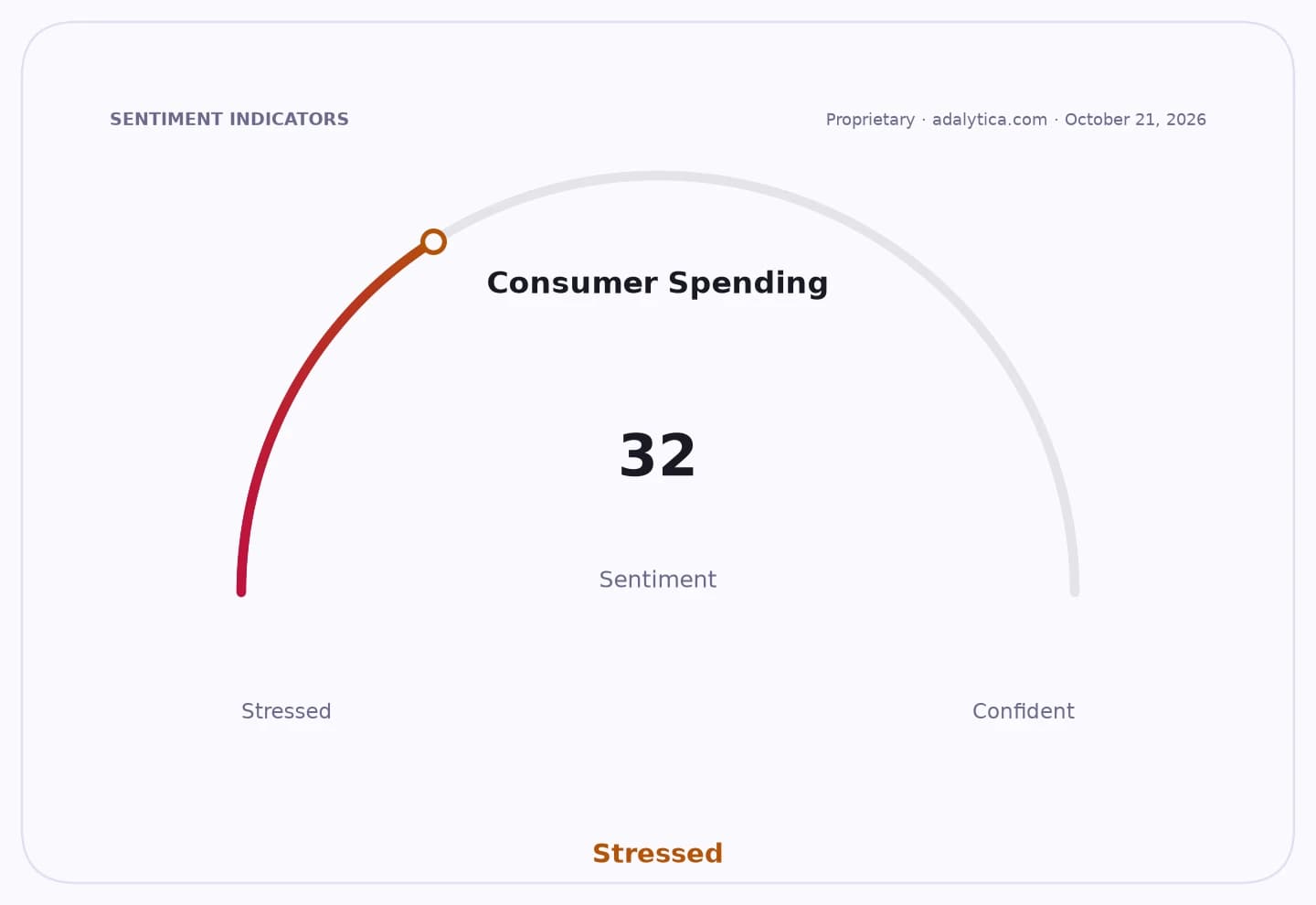
Sentiment IndicatorsⓘProprietary · adalytica.com · October 24, 2026
This is a snapshot — live sentiment, awareness and momentum for 130+ markets update continuously in the dashboard.Open AlphaPulse

That matters economically because Prime Day has become a demand test not just for Amazon, but for the health of U.S. retail spending. Adalytica’s Consumer Spending Sentiment sits at 18, in “Fear,” with awareness at “Extreme Fear,” while retail goods spending sentiment is firmer at 75. The split suggests shoppers are still willing to buy, but are increasingly selective and value driven. Amazon’s emphasis on sub-$40 items fits that pattern and could help it capture share from competitors even if total basket sizes remain modest.
For investors, the key question is whether Amazon can convert heavy traffic into profitable volume without worsening margins. Prime Day can lift sales, but deep discounts and promotional costs can pressure profitability if shoppers only chase bargain items. Amazon’s stock has been volatile around recent trading ranges, with technical indicators showing the shares hovering near the 50-day moving average and RSI readings that suggest the move is not yet stretched in either direction. That leaves room for the stock to react to any evidence that Prime Day is driving stronger-than-expected order growth or, conversely, that promotions are merely pulling forward purchases.

The event also carries read-throughs for rivals including Walmart and Target, which compete on price, convenience and household staples. Walmart has outperformed Target on the back of grocery and value spending, while Target has been more dependent on discretionary demand. If Prime Day reinforces the consumer’s appetite for deals, it could support larger discounters with scale advantages and pressure retailers with weaker traffic or thinner promotional flexibility.
Amazon will be watched for how much of Prime Day’s demand is incremental versus pulled forward from later in the summer. A strong showing would reinforce the company’s ability to use Prime as a traffic engine across retail and subscriptions; a weak one would raise questions about consumer fatigue and the durability of discretionary spending into the second half.
| Entity | Gains | Losses |
|---|---|---|
| Amazon | ▲More traffic, higher order volume | ▼Margin pressure from discounts |
| Price-conscious shoppers | ▲Lower entry prices | ▼Smaller selection of premium goods |
| Walmart | ▲Value-spending spillover | ▼Less room to stand out on basics |
| Target | ▲Promotional relevance | ▼Weaker pull if spending stays selective |