Amazon’s early holiday flash deals are already drawing shoppers into a longer, more competitive sales window, with discounts on Halloween, Christmas, home and gift items arriving well before the official Black Friday rush.
Amazon early holiday flash deals draw shoppers
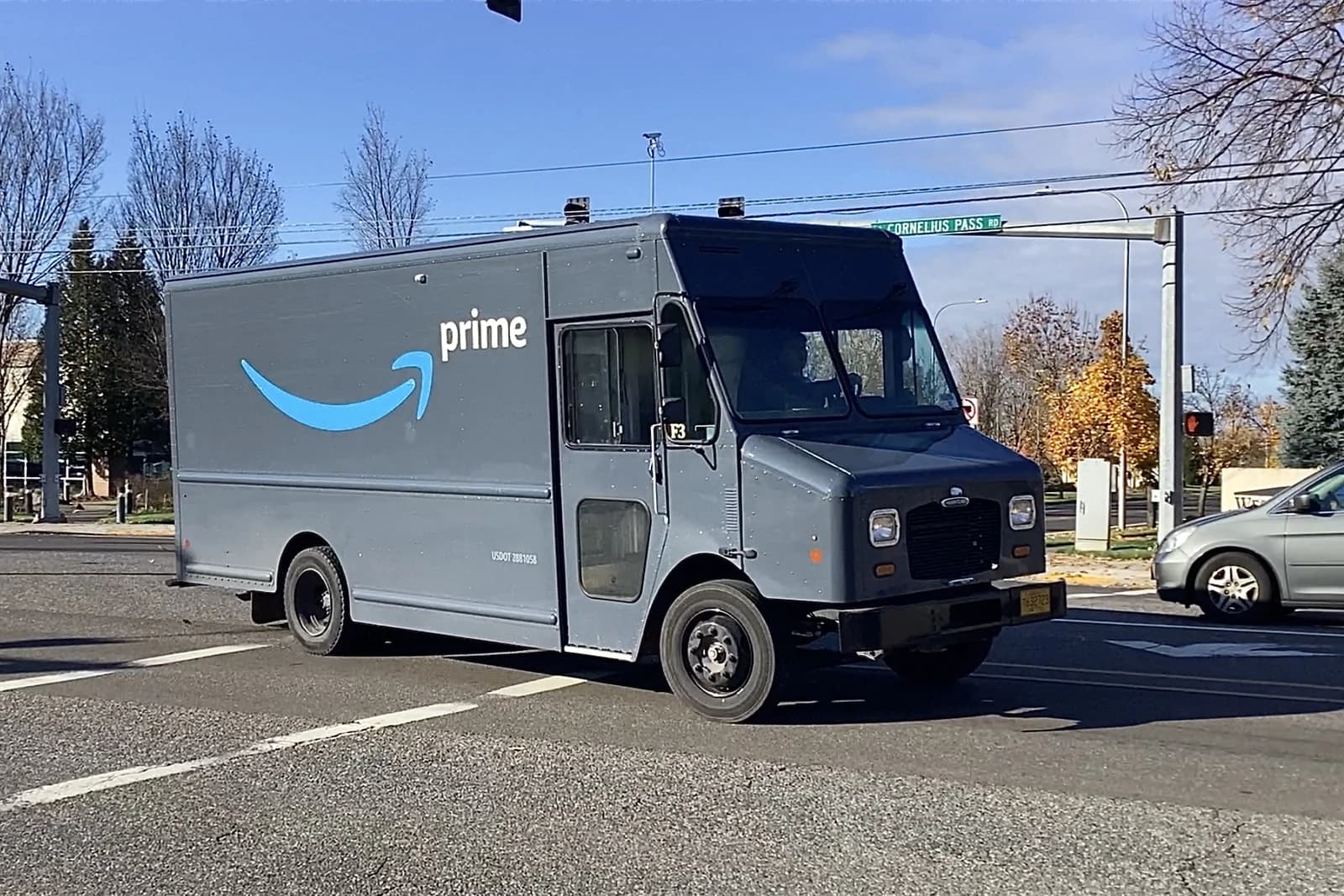
That matters because the world’s largest e-commerce platform is once again using price cuts and time-limited promotions to pull forward demand, lock in Prime members and defend share as consumers remain cautious. The strategy can lift order volumes and improve inventory turnover, but it also puts pressure on margins at a time when investors are focused on how much discounting Amazon is willing to absorb to sustain growth.
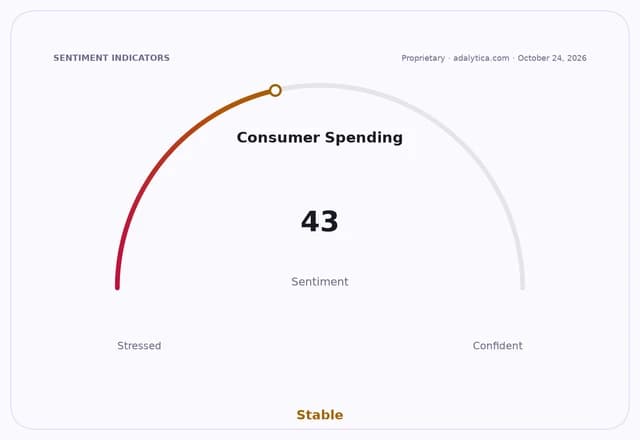
Sentiment IndicatorsⓘProprietary · adalytica.com · October 24, 2026
This is a snapshot — live sentiment, awareness and momentum for 130+ markets update continuously in the dashboard.Open AlphaPulse
The deal cycle includes heavily marked-down items across electronics, home goods and seasonal merchandise, with some promotions reportedly reaching as much as 90% for Prime subscribers. Amazon is also widening the scope of its holiday campaign by featuring Halloween décor, Christmas prep and gift categories together, a sign the company wants to capture spending earlier rather than wait for the traditional late-November spike.
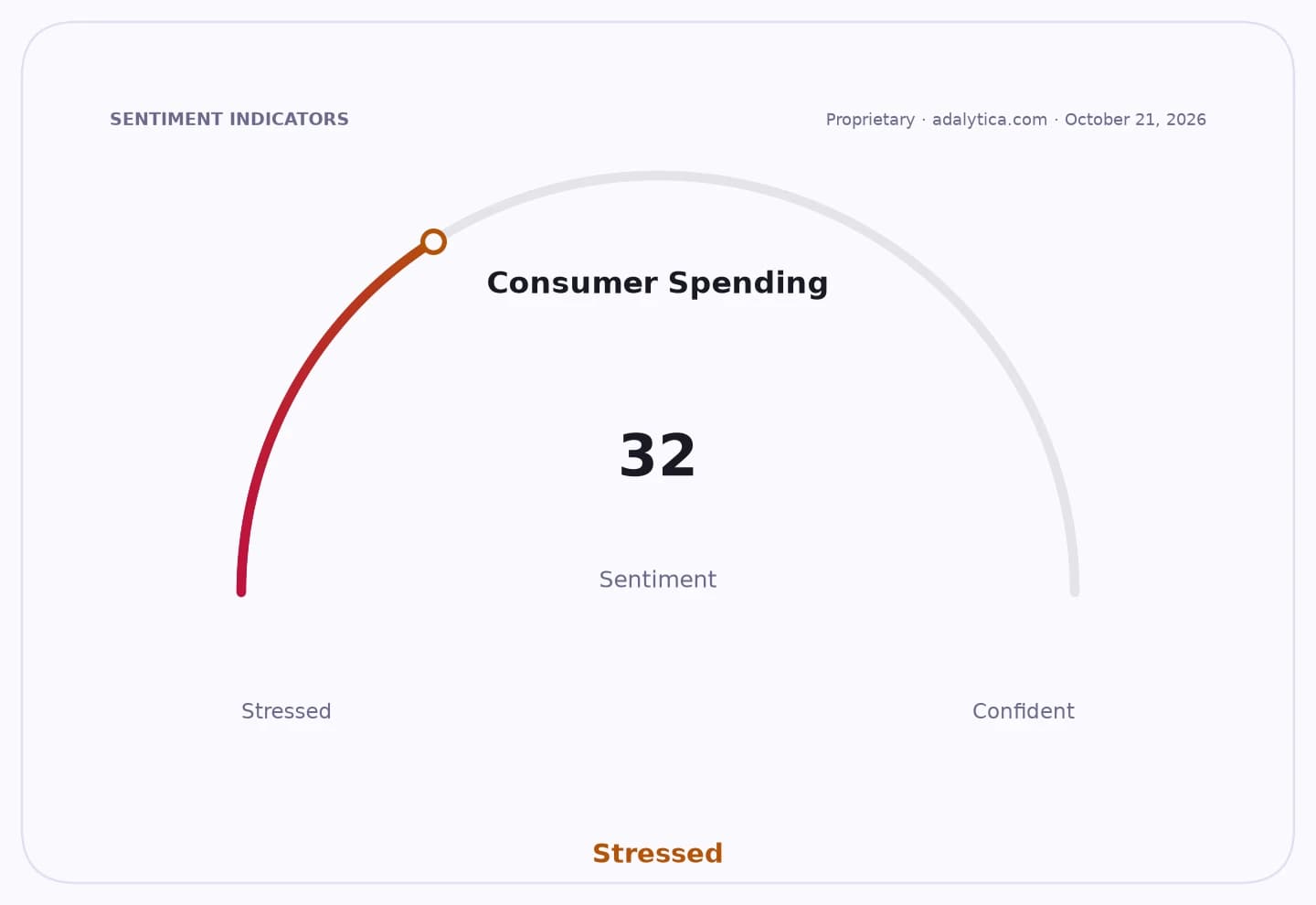
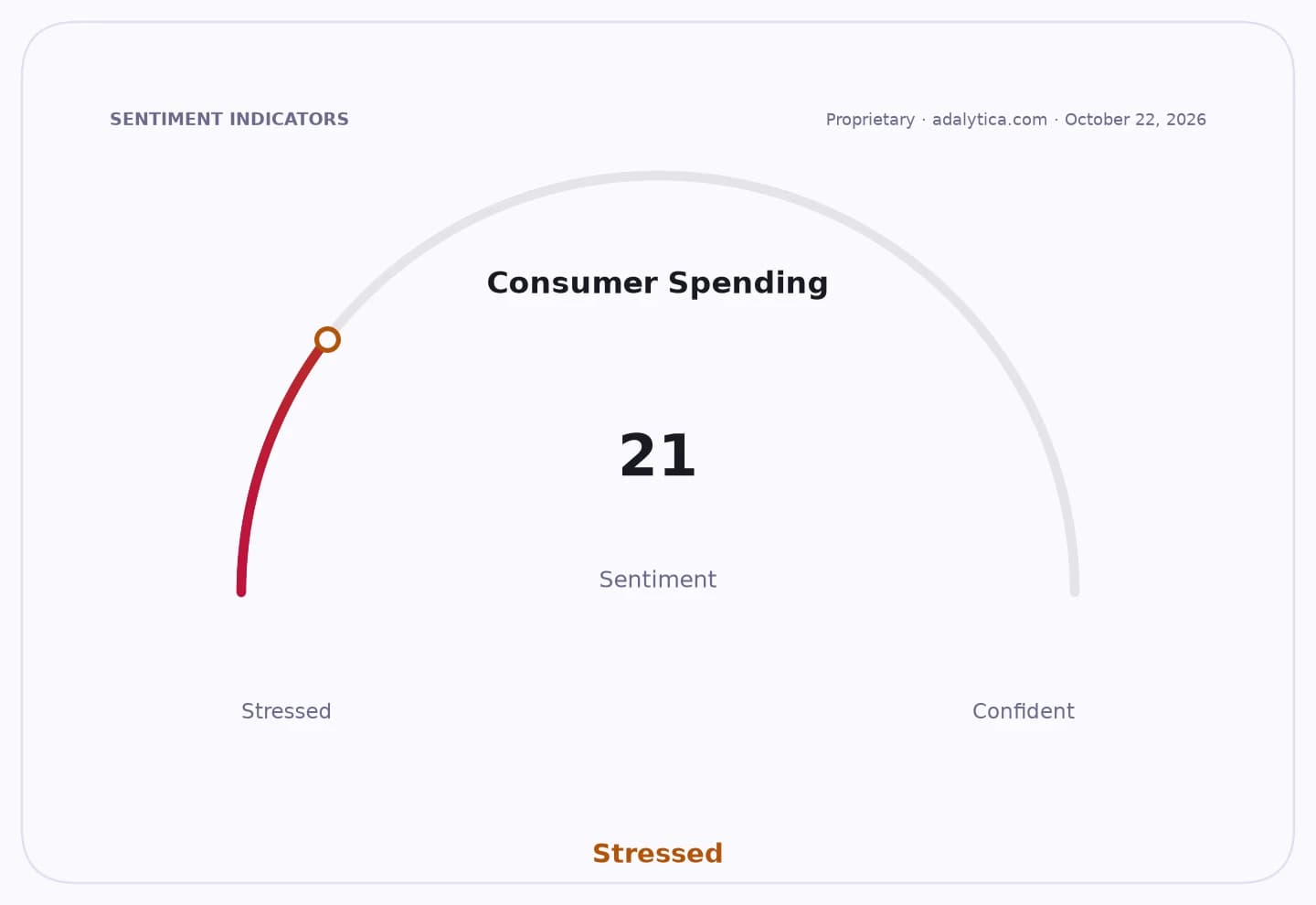
For shoppers, the appeal is straightforward: bargain hunting has become a more important part of household budgeting, especially as consumer sentiment remains fragile. Adalytica’s consumer spending sentiment gauge is neutral at 43, but its awareness reading sits in fear territory at 21, suggesting consumers are still highly price-sensitive even if interest in retail promotions has improved in the short term.
For investors, the key question is whether aggressive promotions are a demand-creation tool or a margin sacrifice. Amazon has the scale to tolerate selective discounting better than smaller rivals, and flash deals can reinforce the Prime ecosystem by increasing engagement and purchase frequency. But if early holiday markdowns become the norm across the sector, the risk is that retailers spend more to win sales that would have happened anyway.
The timing also fits a broader pattern in U.S. retail: Black Friday has become less of a single day than a multi-week campaign. That may benefit Amazon versus laggards that depend on one or two peak periods, but it also means the market will scrutinize holiday gross margin trends, fulfillment costs and the balance between top-line momentum and profitability.
Amazon shares have been volatile but remain well above their 200-day moving average, which still points to an intact longer-term uptrend despite recent pullbacks. Short-term momentum has cooled, with the stock slipping back toward the mid-240s after trading above $260 earlier this month, leaving investors watching whether holiday traffic can translate into a stronger year-end retail finish.
The next catalyst is simple: how much traffic these flash deals generate, how deep Amazon keeps cutting, and whether competing retailers respond with even broader promotions. If early discounts drive volume without a heavy hit to margins, Amazon should emerge with another advantage in holiday retail. If not, the extended sales season could become a race to the bottom.
| Entity | Gains | Losses |
|---|---|---|
| Amazon | ▲Higher traffic and Prime engagement | ▼Short-term margin pressure |
| Consumers | ▲Earlier access to discounts | ▼Risk of impulse spending |
| Smaller retailers | ▲Faster holiday demand buildup | ▼Harder price competition |
| Amazon shareholders | ▲Potential sales volume growth | ▼Worries over profitability |