Consumers are no longer rushing to buy just because an e-commerce platform says there is a sale, and that shift matters because it changes how online retail grows, how much profit sellers can keep and which platforms can build durable businesses.
E-commerce promotions lose power in Vietnam
What used to be a powerful demand engine for online marketplaces is becoming a year-round feature, and that abundance is dulling its edge. In Vietnam, where shopping events such as 10/10 and 11/11 once concentrated buying into a few high-intensity days, promotions now run almost continuously — from salary-day discounts to end-of-month offers and category-specific campaigns. The result is less urgency. If shoppers know another coupon or flash sale is always around the corner, the fear of missing out fades.
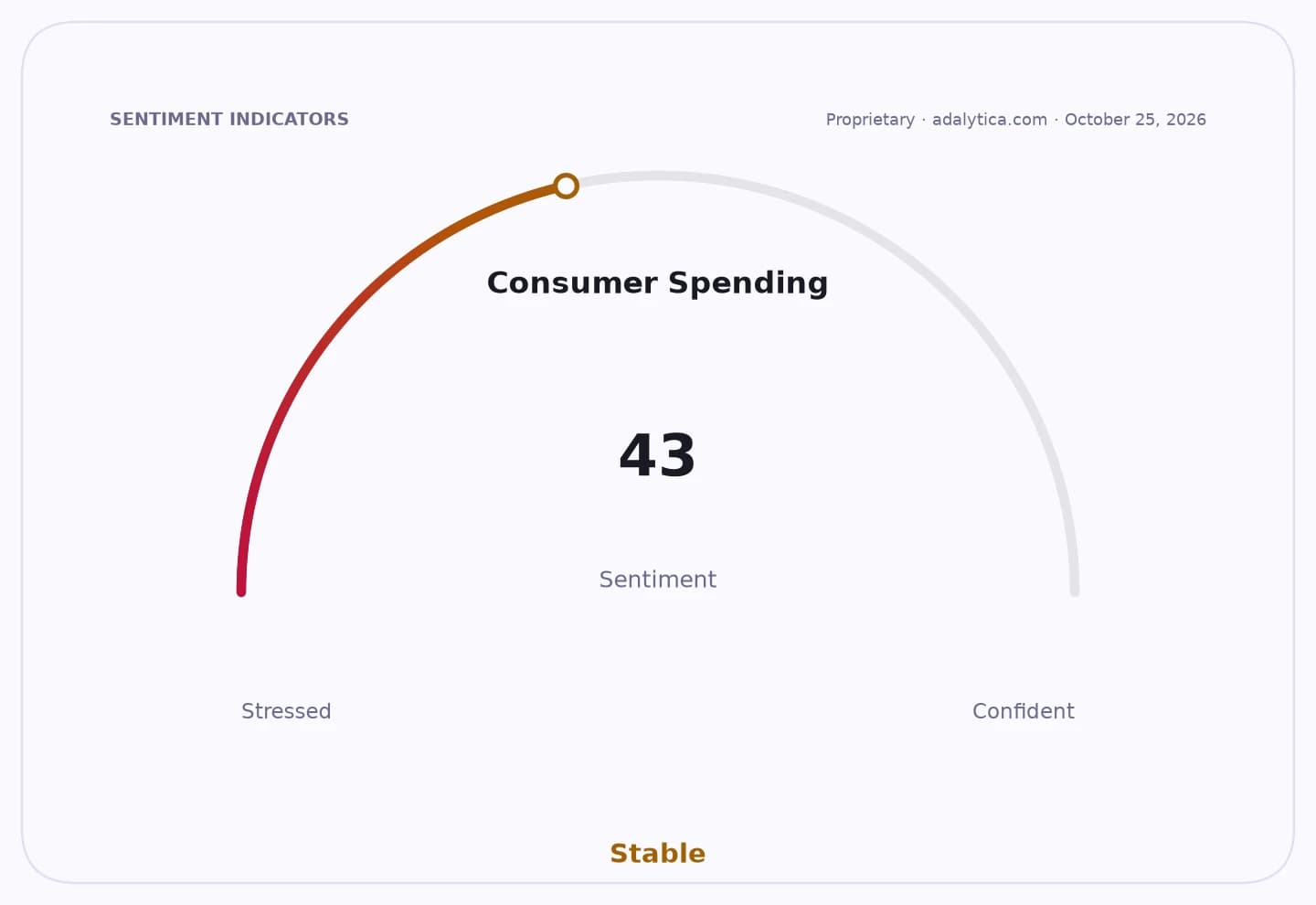
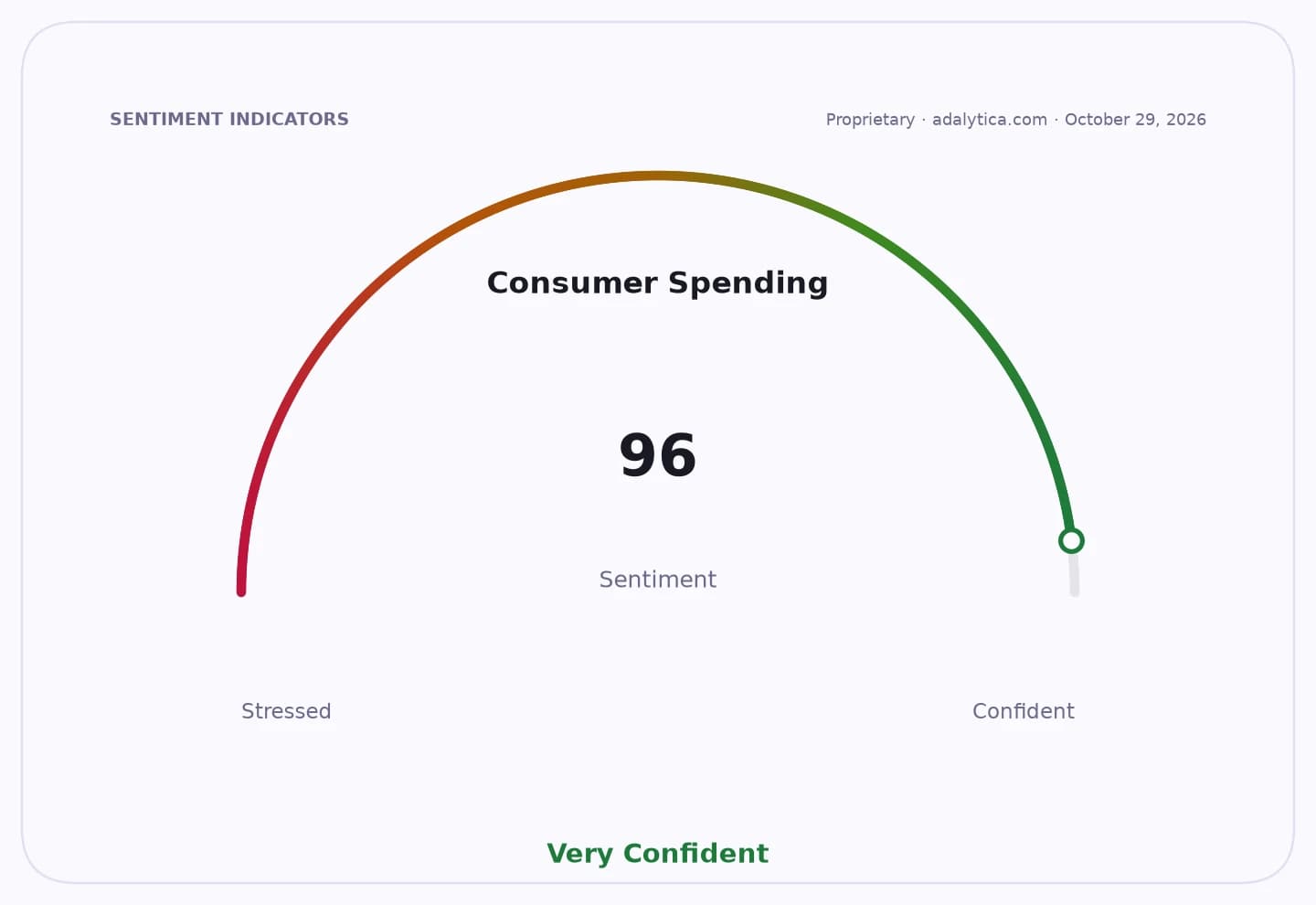
Sentiment Indicators
Consumer Spending
That is a meaningful economic change. The old playbook relied on scarcity: limited-time discounts lifted traffic, sped up conversion and expanded gross merchandise value, or GMV. But when discounts are everywhere, they stop being a differentiator and start becoming the price of doing business. Sellers are forced to spend more on markdowns, advertising and operations just to stand still. GMV may still rise during a campaign, but the extra volume can come with thinner margins, heavier inventory risk and lower return on marketing spend.
For investors, that is the real story. E-commerce is still one of the best secular growth markets, but growth built mainly on promotions is less resilient than growth built on repeat purchasing, better product selection and stronger customer trust. Platforms and merchants that can identify what people actually need — rather than simply pushing whatever can be discounted — are better positioned to protect pricing power and free cash flow over time. Those that keep chasing traffic through endless sales may see revenue bounce around while profitability stays under pressure.
The shift also helps explain why consumers are becoming more selective. Shoppers are increasingly aware that buying things just because they are cheap can lead to waste, clutter and financial strain. As that discipline improves, broad-brush discounting loses effectiveness. A lower price is still attractive, but it is no longer enough to overcome poor product fit, weak differentiation or an unconvincing brand.
That puts data at the center of the next phase of e-commerce. Search behavior, conversion rates, abandoned carts, purchase histories and customer reviews are more valuable when they are used to refine assortment, pricing and timing — not just to fuel the next campaign. For smaller sellers especially, platforms that share better market intelligence could become more important partners than platforms that merely demand participation in every sale event.
The long-term takeaway for investors is simple: the winners in online retail will be the companies that stop treating promotions as the strategy and start treating them as a tool. In a market where consumers are getting smarter, value will increasingly come from relevance, convenience and trust, not from endless markdowns. That is worth watching closely, and for patient investors, it may prove far more important than the next sale event.
| Entity | Gains | Losses |
|---|---|---|
| Selective shoppers | ▲Better value, less impulse buying | ▼Fewer bargain-driven triggers |
| Efficient e-commerce platforms | ▲Stronger loyalty and margins | ▼Less traffic from blanket promos |
| Sellers reliant on discounts | ▲Short-term GMV lift | ▼Thinner margins, higher costs |
| Promotional-heavy marketplaces | ▲More engagement when campaigns are targeted | ▼Weakening urgency from constant sales |