Marketers are leaning on urgency and scarcity to make shoppers feel they are losing money by waiting, a tactic that can lift sales in the short term but also push households into overspending and distort buying decisions.
Meta, Alphabet and Amazon Fall on Spending Concerns
The core economic logic is simple: when consumers are told a discount is about to expire, stock is running out or free shipping requires a higher basket size, they are nudged to spend sooner and spend more. That matters because the behaviour is not just a retail psychology trick; it changes how consumers allocate cash, raises average order values and can inflate demand for products that may not be needed at all.
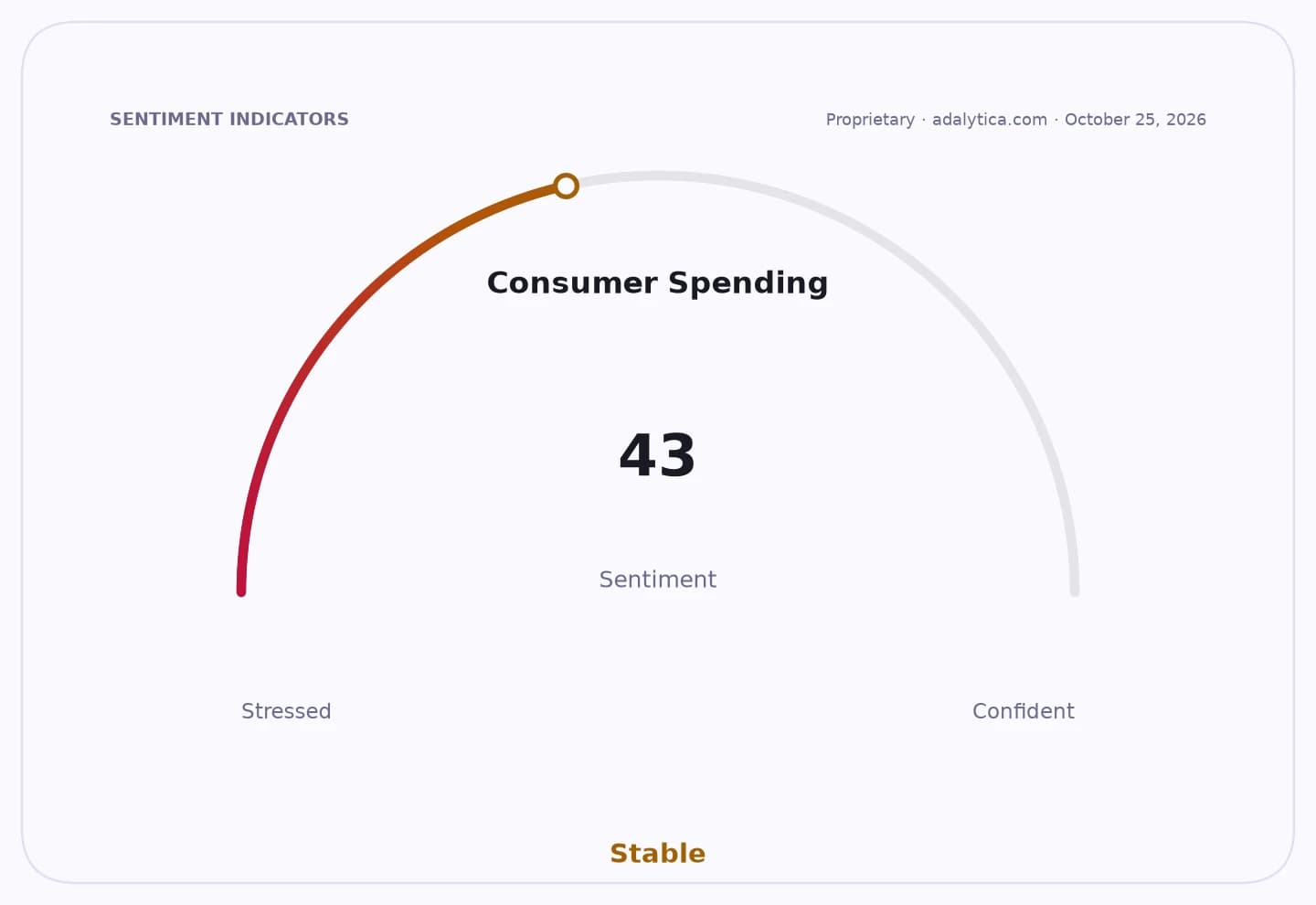
Sentiment IndicatorsⓘProprietary · adalytica.com · October 25, 2026
This is a snapshot — live sentiment, awareness and momentum for 130+ markets update continuously in the dashboard.Open AlphaPulse
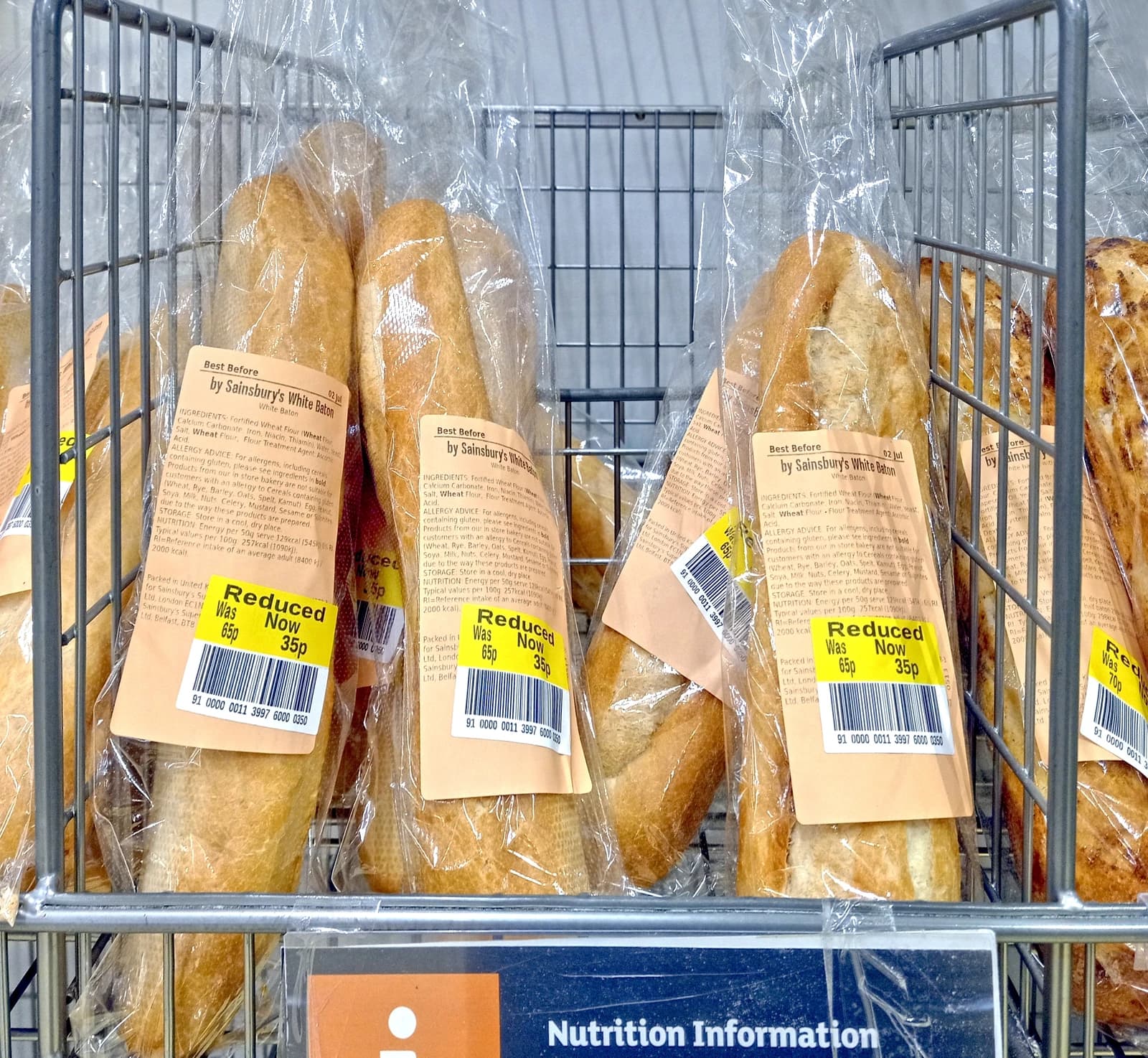
The playbook is familiar. Limited-time offers tap fear of missing out, while messages such as “only three left” use scarcity to make a product look more valuable than a comparable item sitting elsewhere on the internet. Bundled offers can make the sticker price look compelling even when part of the package goes unused. A crossed-out “original” price anchors the shopper’s mind to a higher number, making the new price feel like a bargain even before it is compared with rivals. And minimum-spend free shipping thresholds often become the most effective upsell of all, encouraging consumers to add another item just to avoid paying delivery.
For retailers, the strategy improves conversion and basket size, which is why it remains so pervasive across e-commerce and physical stores. For consumers, though, the economics can turn negative quickly: the supposed saving on shipping or the visible discount can be outweighed by purchases made only to satisfy the promotion. The article’s consumer-advice angle underscores the key point for investors as well — discount mechanics are not the same as true demand. A higher cart value built on urgency can flatter sales figures without necessarily indicating durable purchasing power.
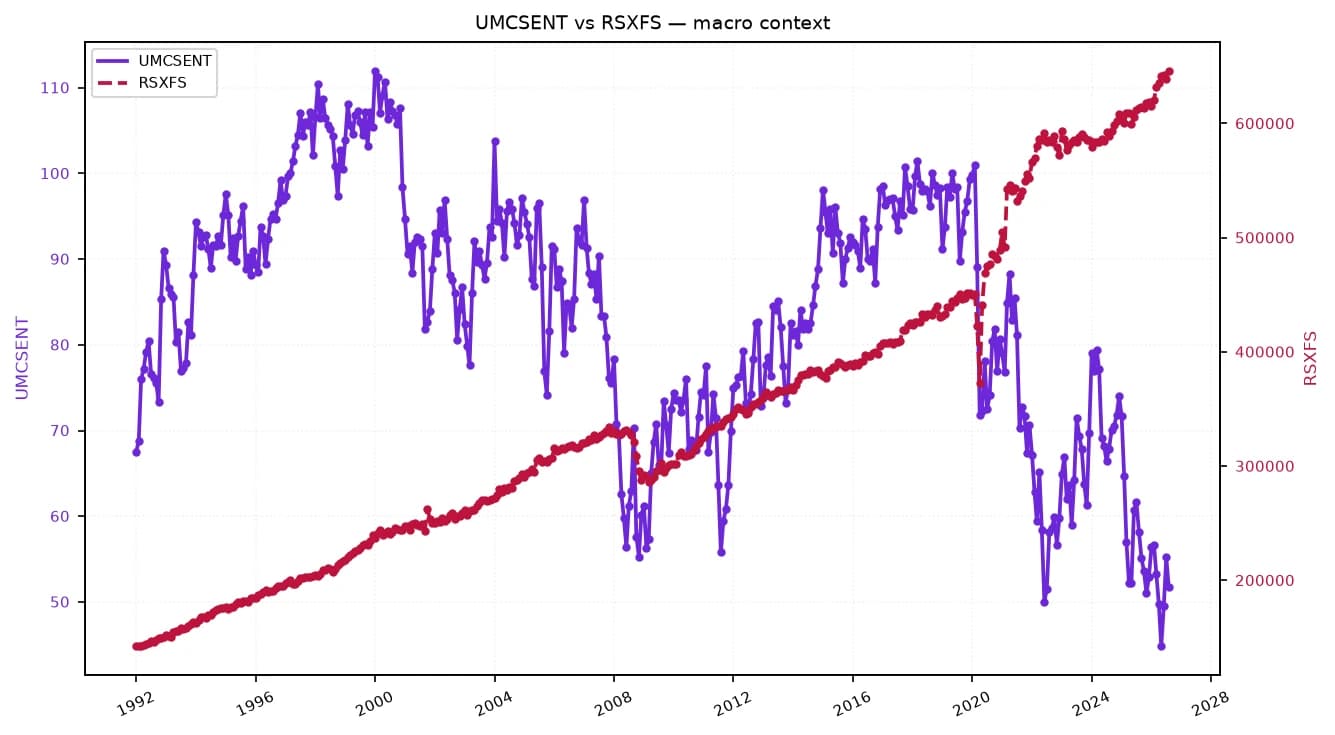
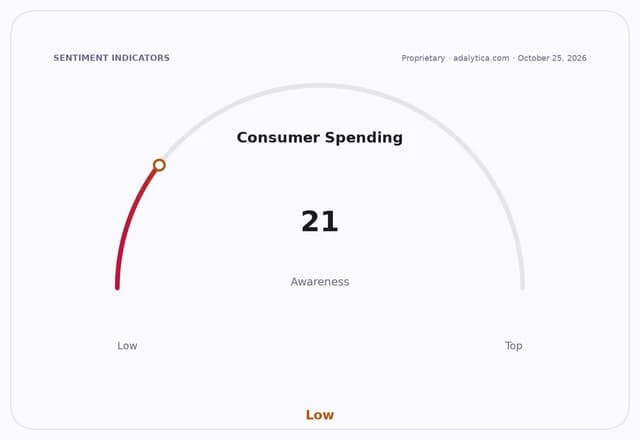
That distinction matters at a time when sentiment in consumer markets is mixed. Adalytica’s Consumer Spending Sentiment snapshot is neutral at 43, after a 57-point drop over 30 days, while Retail Sales Sentiment sits at 55 and Consumer Confidence Recession Sentiment at 50. Those readings suggest households remain sensitive to pricing cues and value framing, even if they are not in outright panic. In that environment, promotional intensity can support near-term retail volumes, but it also signals that many buyers remain highly price-conscious and easily swayed by perceived loss.
For investors, the implication is two-sided. The bull case is that merchants with strong promotion engines, checkout design and logistics can squeeze more revenue from each visit and defend traffic in a crowded market. The bear case is that a rising share of sales may be coming from inducements rather than underlying brand strength, which can compress margins and make growth less durable once promotions fade. That is especially relevant for large ad-driven platforms and retailers that depend on consumer engagement and monetisation, including Meta, Alphabet and Amazon, whose businesses are tied to how effectively attention is converted into spending.
The stocks reflect that tension. Meta has fallen to $642.62 from $762.50 on Oct. 13, while Google parent Alphabet has slid to $320.21 from $334.76 and Amazon to $248.00 from $262.37 over the latest sessions, showing that even megacap consumer and advertising names remain sensitive to questions about spending durability and monetisation efficiency. Technicals also point to cooling momentum: Meta’s RSI has dropped to 24.3 and Alphabet’s to 26.4, readings that indicate oversold conditions in conventional market terms, while Amazon’s RSI stands at 47.3 after losing recent upside momentum. The 50-day moving averages for all three remain above the current share prices, a sign the pullback has been meaningful rather than trivial.
The broader lesson is that “feeling loss” has become one of the most powerful tools in modern commerce. It can boost short-term sales, but it also exposes how fragile demand can be when the purchase decision is driven by fear rather than need. Investors should watch not just gross sales during promotions, but repeat buying, margin discipline and whether retailers are earning growth or simply renting it from urgency.
| Entity | Gains | Losses |
|---|---|---|
| Retailers with aggressive promo tactics | ▲Higher conversion and basket size | ▼Margin pressure and discount dependency |
| Consumers who pause before checkout | ▲Better budget discipline | ▼Fewer impulse purchases |
| Platforms and merchants tied to ad-driven commerce | ▲More monetisation from urgency marketing | ▼Risk of weaker true demand visibility |
| Promo-led shoppers | ▲Short-term perceived savings | ▼Higher total spend |