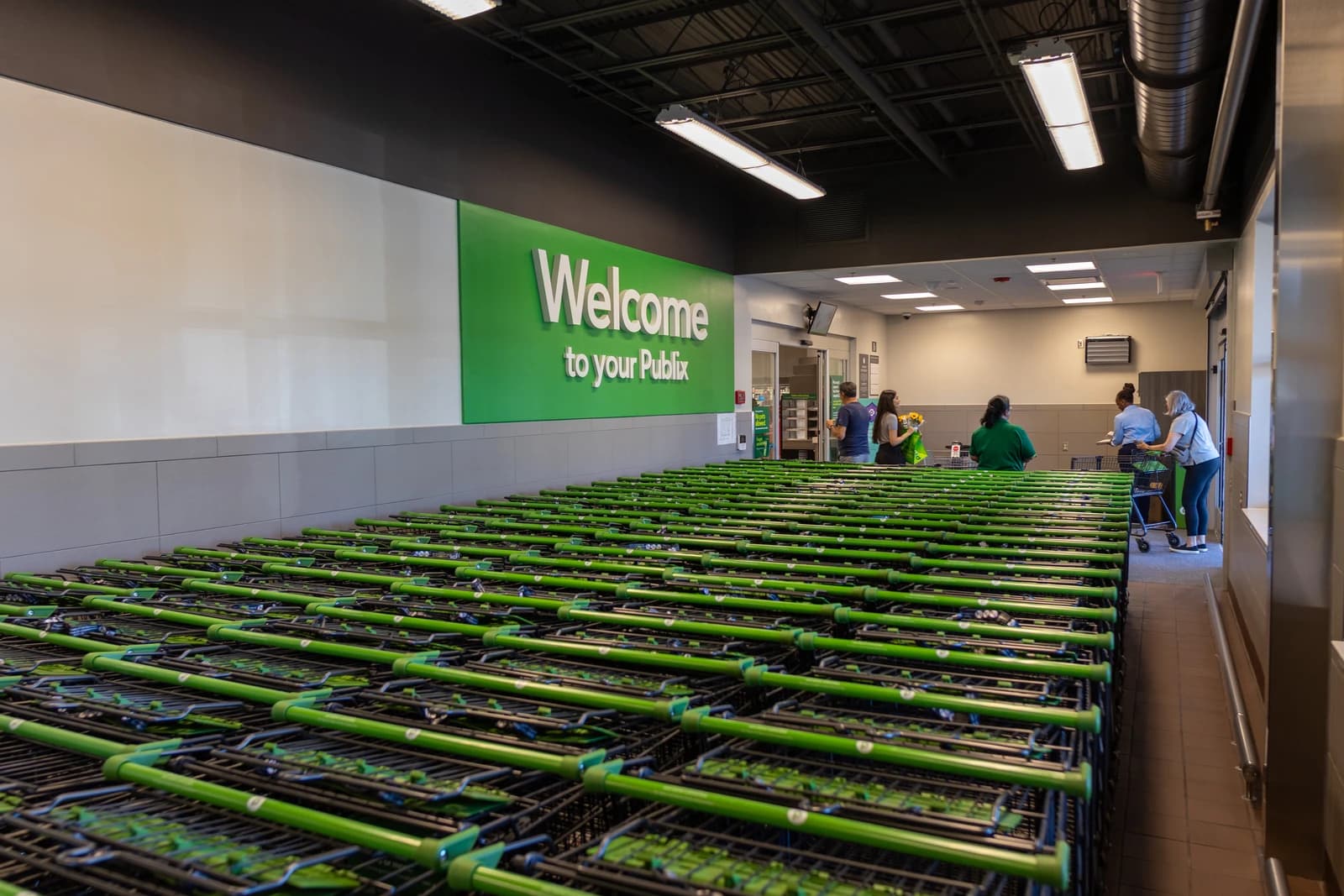
Consumers are sticking with private-label goods even more often, reinforcing a shift in U.S. shopping behavior that can squeeze branded manufacturers while supporting the pricing power of big retailers such as Walmart, Target and Costco.
Walmart, Target, Costco Gain as Private Labels Rise
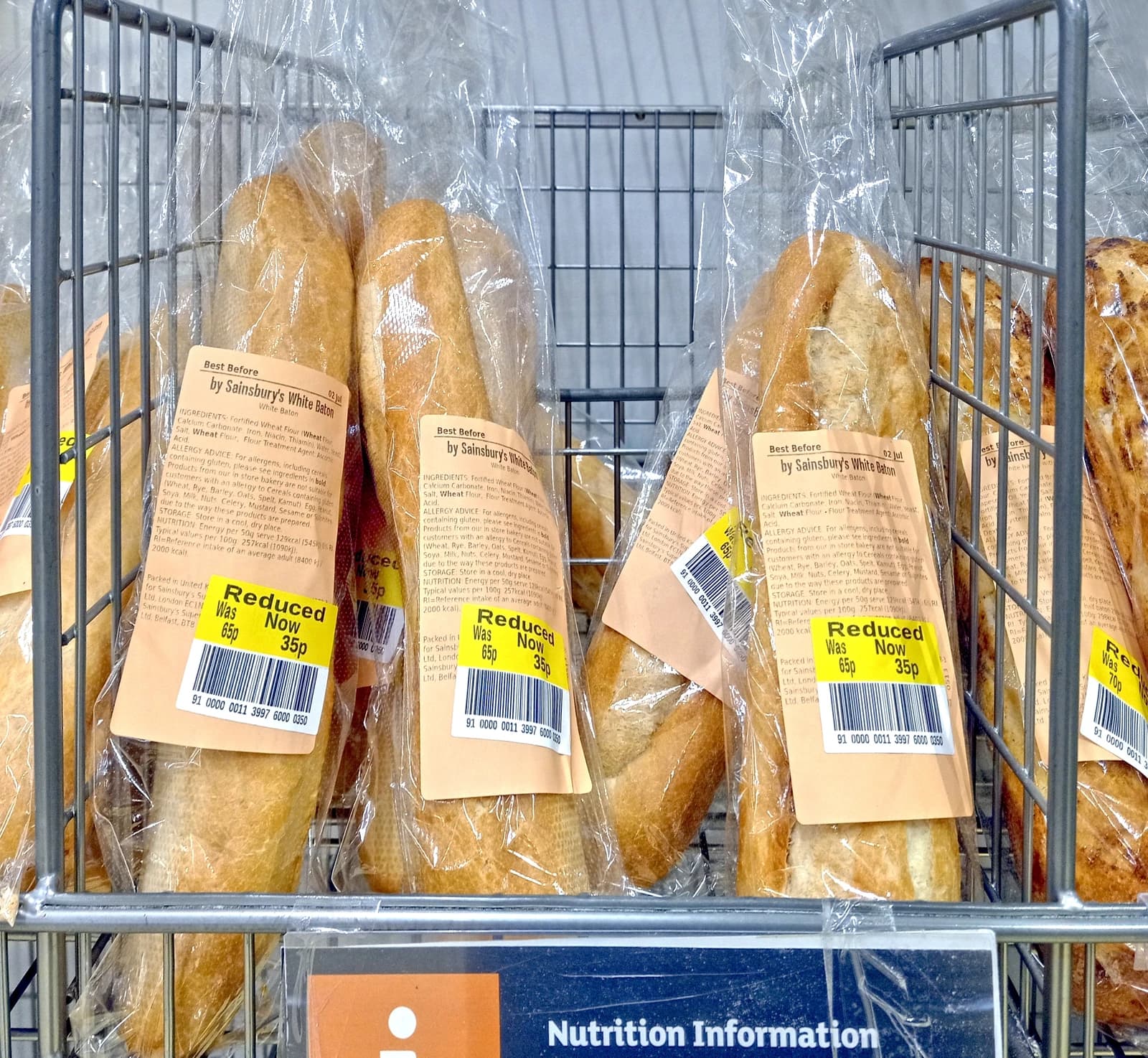
The new study adds fresh evidence that value-conscious buying is no longer just an inflation-era trade-down, but a more durable habit. That matters because private-label penetration can change how revenue is shared across the consumer staples and retail chain: retailers keep a larger share of the margin, while branded companies are forced to defend shelf space with promotions, innovation or lower prices.
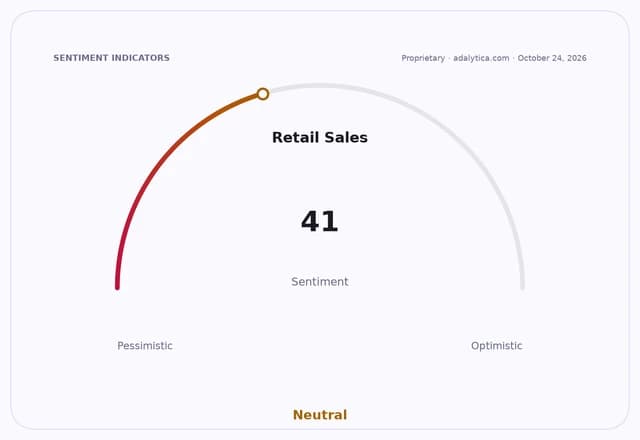
Sentiment IndicatorsⓘProprietary · adalytica.com · October 24, 2026
This is a snapshot — live sentiment, awareness and momentum for 130+ markets update continuously in the dashboard.Open AlphaPulse

The backdrop is a consumer still under pressure. Adalytica’s Consumer Spending Sentiment gauge remains in “Fear” territory at 18, while retail sales sentiment is only neutral at 41, pointing to cautious households even as spending continues. In that environment, store brands tend to gain share because shoppers increasingly judge products on price and utility rather than brand loyalty alone.
For retailers, that is a structural positive. Walmart, whose shares have climbed to $119.89 from $108.56 in early July, has benefited from the market’s view that its scale and merchandising give it an edge in value-led trade down. Target has also recovered sharply from the summer, with the stock at $152.76 after touching $169.89 in August, while Costco remains the premium defensive name in the group at more than $1,000 a share. The move in all three names suggests investors are still willing to pay for retailers that can capture wallet share in a more selective consumer market.
For branded suppliers, the message is tougher. Companies such as Procter & Gamble and Campbell have both flagged the pressure from private label in recent filings, noting that a continued shift toward store brands can force heavier promotions and weigh on volume. Even if branded goods still command loyalty in categories such as premium household products and packaged food, a consumer leaning harder into value gives retailers more leverage in negotiations and can erode manufacturers’ mix.
The bullish case for branded companies is that private label often wins in broad economic slowdowns, then normalizes when incomes recover and consumers trade back up. The bearish case is that the latest study signals a more permanent reset, where shoppers discover acceptable quality at a lower price and keep buying it even after inflation eases. If that proves right, the private-label gain would be less about a temporary squeeze and more about a lasting restructuring of grocery and mass-merchandise economics.
For investors, the key question is not whether private label can keep growing, but how much of the gain comes at the expense of branded gross margins. The next read-through will come from earnings reports and category data, where margin resilience, promotional intensity and unit volumes will show whether retailers are capturing the benefits or whether suppliers can defend their franchises.
| Entity | Gains | Losses |
|---|---|---|
| Walmart / Target / Costco | ▲Higher private-label mix | ▼Less reliance on brands |
| Branded CPG makers | ▲Shelf stability in premium niches | ▼Margin pressure |
| Consumers | ▲Lower prices | ▼Less brand variety |
| Suppliers / wholesalers | ▲Higher volume for value lines | ▼Weaker bargaining power |