The beauty market’s real profit engine may not be the limited-edition coffret itself, but the fact that most shoppers who miss out simply buy the brand’s core products anyway.
Beauty survey links coffrets to core product sales
That is the clearest takeaway from a new Japanese consumer survey by PA Communication and Neo Marketing, which found 79% of women are interested in buying Christmas coffrets or winter limited items, yet 66.3% have already missed out on one. For brands, that is not just a marketing footnote — it is evidence that scarcity still drives demand, but the bigger economic payoff comes from converting disappointed shoppers into repeat buyers of “standard” items with better inventory control and broader distribution.
The report shows how the holiday beauty cycle is evolving. Limited colors, special packaging and seasonal exclusivity remain the main purchase triggers, outranking price. But when the rush becomes too intense, shoppers do not abandon the category. The most common response after missing out was to buy the brand’s regular product line, a signal that aspirational seasonal launches are feeding a much more durable base of full-line sales.
That matters for investors because it supports the pricing power and mix strategy of prestige beauty names while also favoring retailers that can capture the downstream demand. Estée Lauder, with its heavy exposure to premium skincare, makeup and fragrance, stands to benefit from the way limited launches reinforce brand heat and steer consumers back into core franchises. Ulta Beauty can profit twice over: first from the holiday traffic generated by exclusive launches, then from the conversion of buyout shoppers into everyday basket sales. Coty, which competes across prestige fragrance and cosmetics, also sits in the sweet spot if limited editions keep driving awareness while standard SKUs absorb unmet demand.
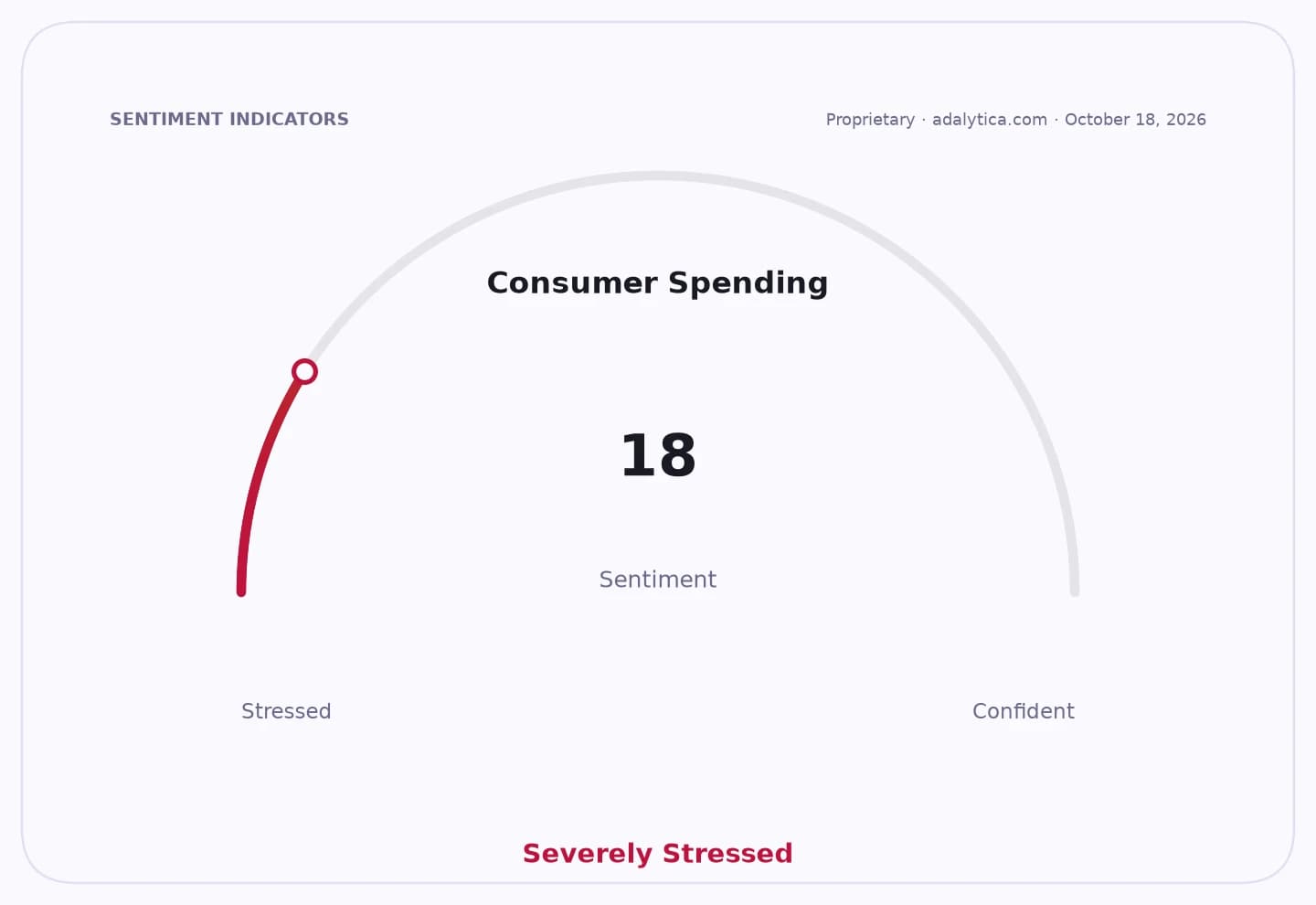
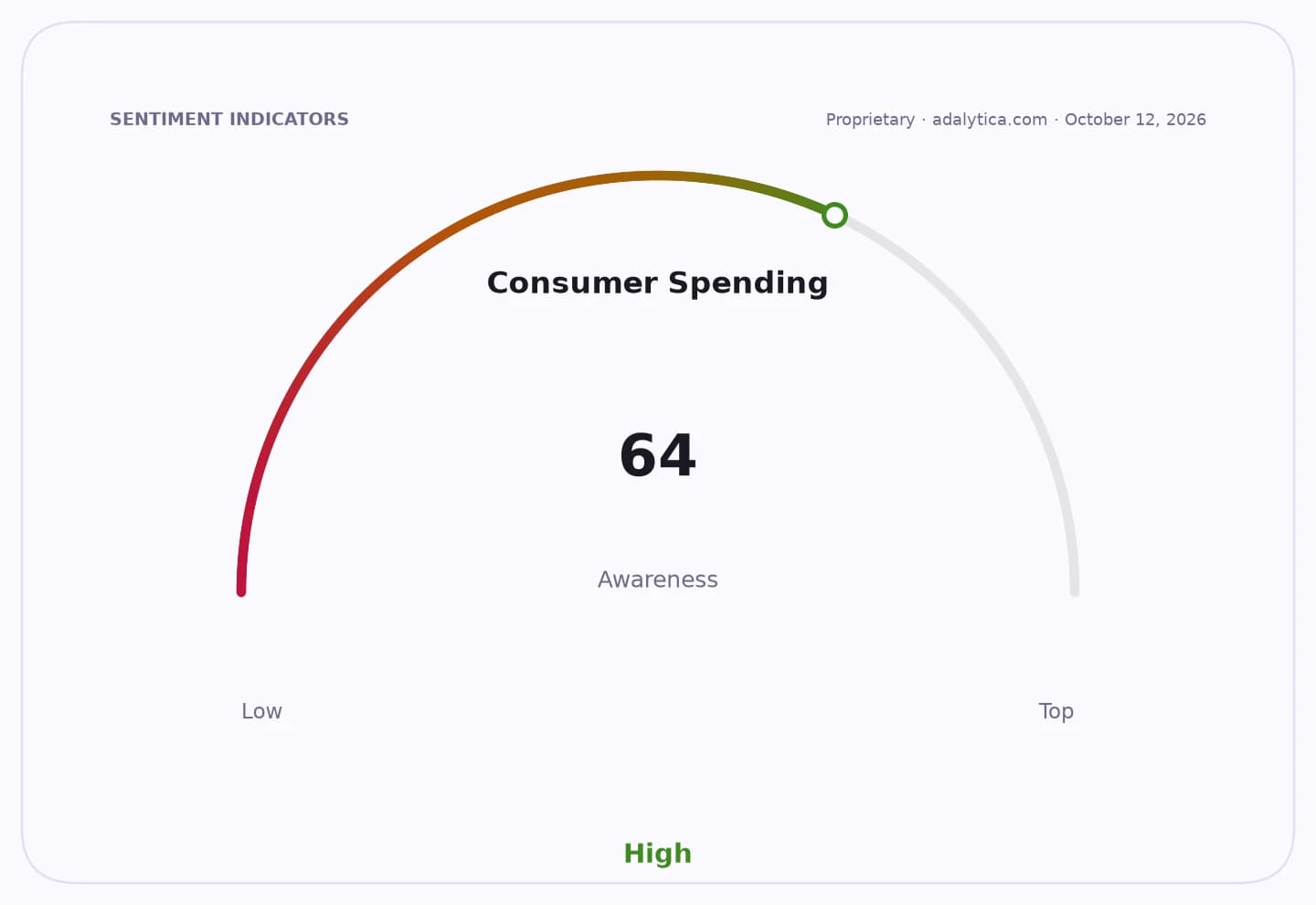
The stock action already suggests investors are rewarding the category’s resilience. Estée Lauder has rallied sharply from its spring lows, while Ulta has broken to fresh highs and Coty has surged off its base. Those moves reflect more than technical momentum — they point to a market that is starting to price in a steadier beauty demand backdrop even as broader consumer sentiment wobbles. In a macro environment marked by inflation anxiety and a stronger dollar, categories with emotional pull, repeat purchase behavior and brand loyalty tend to defend margins better than discretionary retail writ large.
There is also a second-order channel the market may be underestimating: discovery. The survey found younger consumers increasingly rely on brand social channels for information on limited items, while older shoppers lean on official websites and stores. That means beauty brands with strong digital reach and launch discipline can engineer demand more efficiently, reducing wasted inventory and concentrating demand around high-margin products. In a sector where packaging, innovation cadence and shelf visibility matter as much as underlying formulation, that is a real operating advantage.
The investment lesson is straightforward. The limited-edition coffret is the headline, but the standard product line is the monetization layer. The market should keep rewarding brands and retailers that can turn scarcity into traffic, and traffic into recurring sales. In beauty, the best opportunity is often not the item consumers fail to buy — it is the core product they buy next.
| Entity | Gains | Losses |
|---|---|---|
| Estée Lauder (EL) | ▲Brand heat and core-line demand | ▼Shoppers who miss limited drops |
| Ulta Beauty (ULTA) | ▲Holiday traffic and conversion sales | ▼Competitors with weaker launch execution |
| Coty (COTY) | ▲Prestige fragrance/cosmetics demand | ▼Brands lacking scarcity appeal |
| Limited-edition coffrets | ▲Short-term buzz | ▼Inventory-constrained buyers |