Le Creuset’s cast-iron casserole is showing an unusually sharp pricing gap online, highlighting how premium cookware brands are trying to defend demand even as consumers become more selective and retailers lean harder on discounting.
Le Creuset Amazon Price Gap Draws Attention

The French brand’s enamelled cast-iron cocotte is being marketed on Amazon at 82.99 euros, down from 87.99 euros, a modest 6% cut that still leaves it positioned well above mass-market alternatives. The appeal is less about the markdown itself than the signal it sends: in a category built on craftsmanship, durability and heritage pricing, even small discounts can indicate a market that is no longer taking premium pricing for granted.
That matters economically because cookware sits at the intersection of discretionary spending and home-entertainment demand. Shoppers can delay purchases, trade down to cheaper imports or wait for promotions, which makes premium brands more dependent on brand equity and channel discipline. A “validated by veterans” product such as Le Creuset’s casserole can usually command a premium on reputation alone; when the price looks anomalous, it suggests the market is testing how much that premium can stretch.
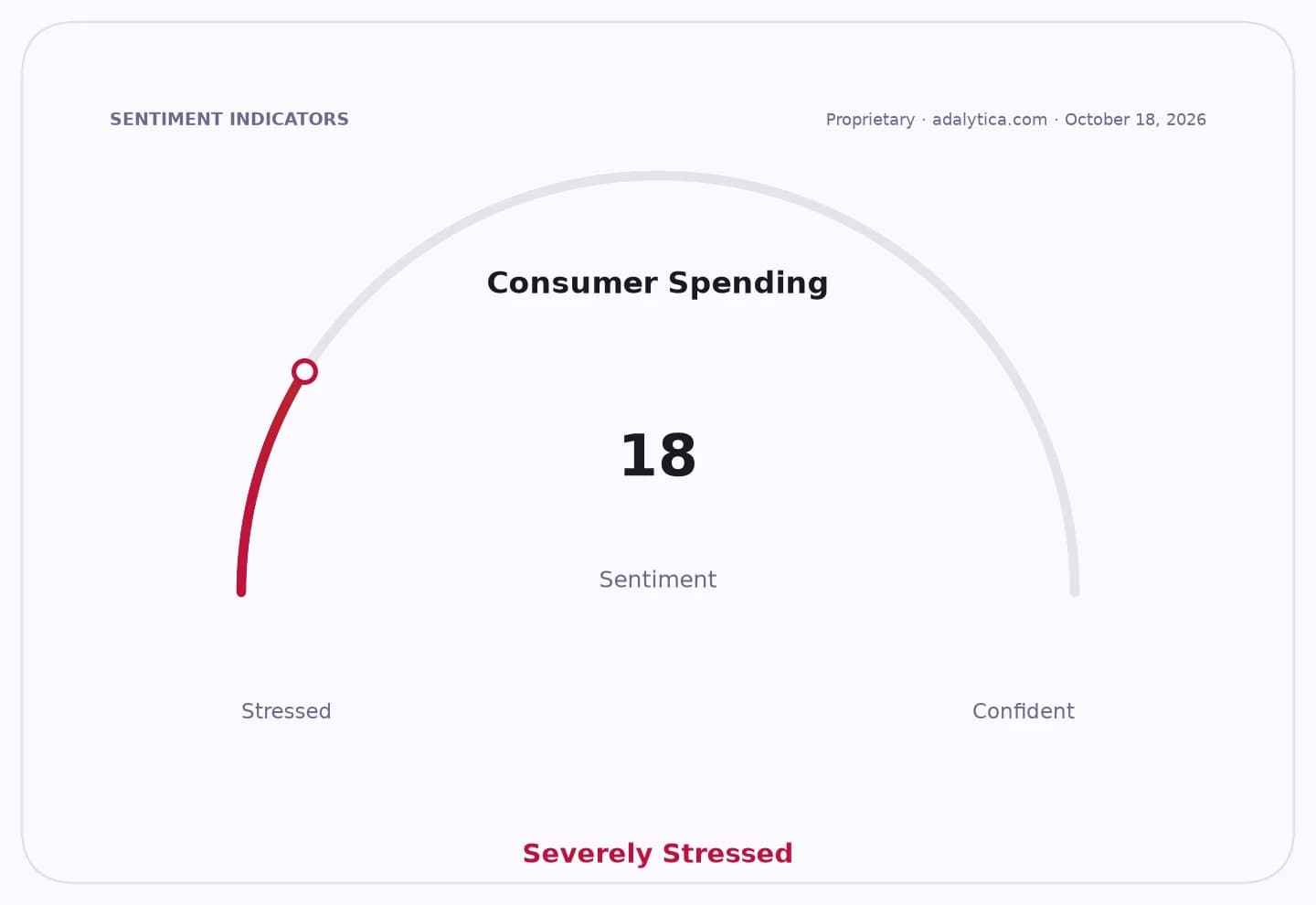
The broader consumer backdrop is consistent with that pressure. U.S. markets have been rattled by stronger-than-expected inflation data, keeping rate expectations elevated and bolstering the dollar, a mix that tends to weigh on imported discretionary goods and on consumers’ willingness to pay up. At the same time, premium and aspirational homewares remain exposed to promotional cycles as retailers try to protect traffic and conversion.
That tension is visible in the listed names most closely linked to the cookware and home-luxury channel. Williams-Sonoma shares have climbed to about $252.92, supported by a strong run in premium home sales and a stock that sits above both its 50-day and 200-day moving averages. The company has benefited from resilient high-end demand and better margin execution, with recent technical readings showing momentum still intact even after the rally.
By contrast, Tapestry’s stock has retreated to about $116.13 from October highs, below both its 50-day and 200-day moving averages, as investors reassess the staying power of discretionary luxury demand. The divergence underlines a split in the consumer market: higher-income shoppers are still spending selectively, but they are more price-conscious and less forgiving of weak product differentiation.
For investors, the Le Creuset pricing example is a reminder that the premium home-goods trade is not insulated from macro pressure. If inflation stays sticky and discounting deepens, brands with strong distribution and pricing power should outperform those that rely more heavily on aspirational demand. The risk is that more “anomalies” appear not because the product is weaker, but because the consumer is.
| Entity | Gains | Losses |
|---|---|---|
| Williams-Sonoma | ▲Premium home demand | ▼Less resilient competitors |
| Tapestry | ▲None obvious | ▼Discretionary spending slowdown |
| Le Creuset | ▲Brand visibility | ▼Pricing power pressure |
| Consumers | ▲Discount opportunities | ▼Higher-cost premium goods |