Shopping streets across Sardinia are filling up as Italy’s summer sales get underway, with households in the island expected to spend an average of 157 euros during the discount period, a modest increase from 154 euros last year.
Sardinia Summer Sales Spending Rises to 157 Euros
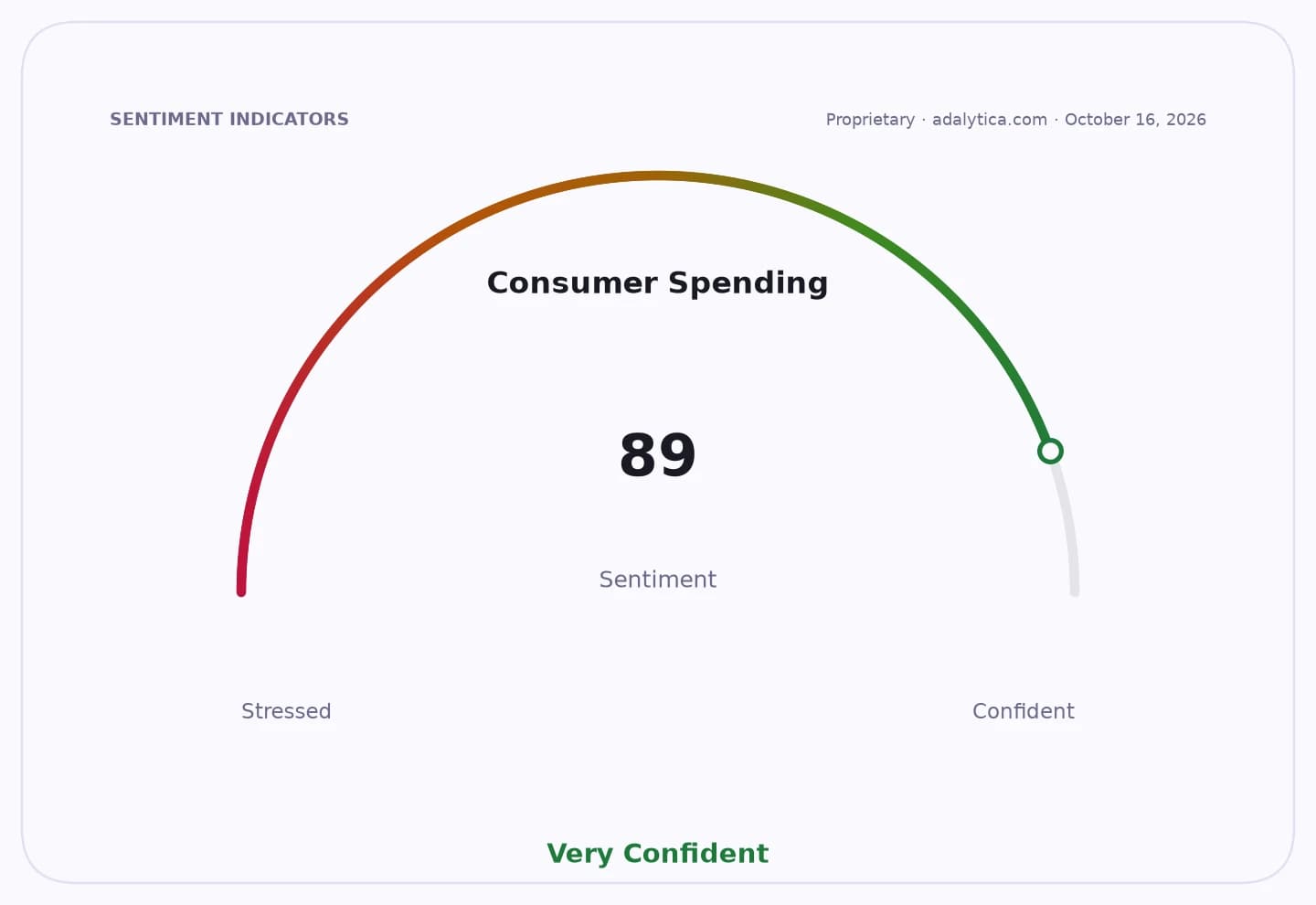
The figure suggests demand is holding up despite a softer start to the season and a backdrop of strained household budgets. For retailers, even a small rise in average spending matters because the sales period remains one of the few opportunities to clear stock, support cash flow and lift traffic during a compressed summer window.
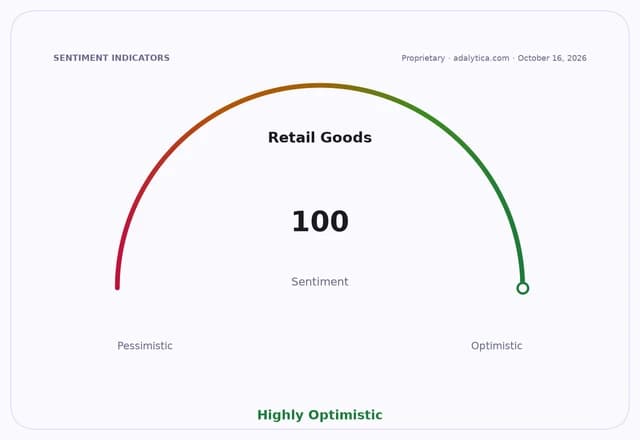
The spending estimate, from Confcommercio, points to a retail market that is still active but highly price-sensitive. Shoppers have been drawn by discounts and by the recent heatwave, which pushed some consumers into air-conditioned stores and provided an additional lift to footfall. But the sales also come with an element of caution: industry observers say many markdowns are less generous than advertised, with real discounts often closer to 30% even when shops promote cuts of 50%.
That gap matters for consumer behavior and retailer margins. If shoppers increasingly doubt the depth of the deals, the sales can turn into a test of trust as much as a volume event. For merchants, aggressive headline discounts may help move inventory, but they also risk eroding pricing power without necessarily generating a proportionate rise in demand.
The broader picture is one of resilient but restrained spending. A 3-euro increase in average outlay is not a boom, yet it indicates that households are still willing to buy when they perceive value, especially in discretionary categories tied to summer fashion and seasonal goods. For local retailers in Sardinia, the sales period remains a critical gauge of consumer confidence heading into the rest of the summer.
Investors watching the retail sector will take the reading as another sign that Italian consumer demand is uneven rather than collapsing. The near-flat increase in spending suggests modest support for volume, but not enough to imply a broad-based acceleration in consumption. The key question is whether stores can convert traffic into profitable sales without leaning too heavily on discounts that shoppers no longer fully believe.
| Entity | Gains | Losses |
|---|---|---|
| Sardinian retailers | ▲Higher foot traffic | ▼Margin pressure |
| Consumers | ▲Lower prices | ▼Discount skepticism |
| Confcommercio | ▲Evidence of steady demand | ▼Limited upside signal |
| Full-price brands | ▲Inventory clearance | ▼Pricing power |