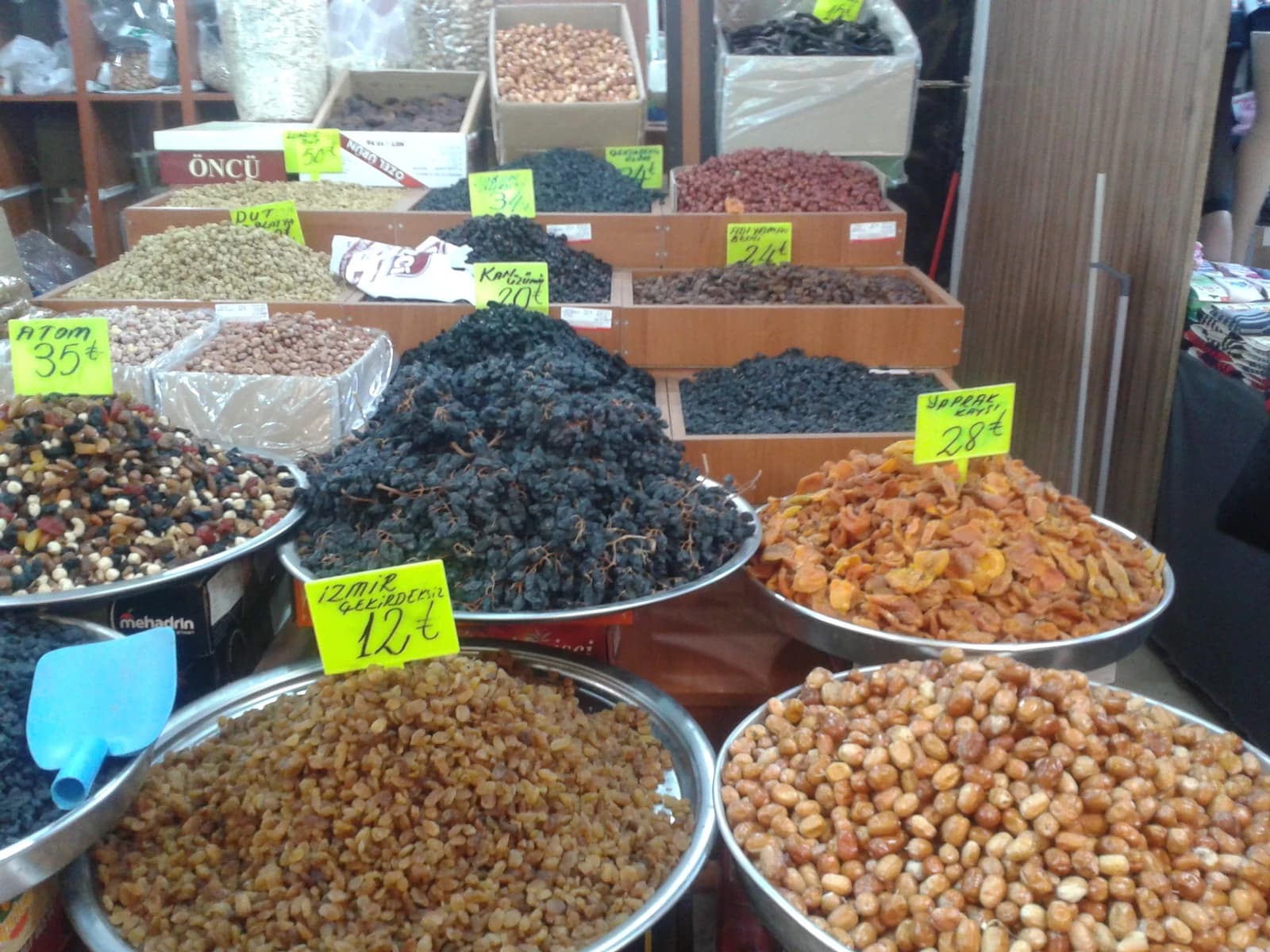
Retailers are leaning hard on Puja discounts, with some staples being sold for as little as 50 paise a kilogram, underscoring how fiercely stores and e-commerce platforms are competing for price-sensitive shoppers at a time when household spending remains cautious.
India retailers cut Puja prices on staples
The aggressive markdowns matter because festival demand in India is one of the clearest readouts of consumer health and a key driver of quarterly sales for grocery chains, general merchants and online marketplaces. When retailers are willing to sell essentials at near-loss-making prices, it usually reflects both the importance of festive traffic and the need to protect volume in a market where shoppers are still comparing every rupee.
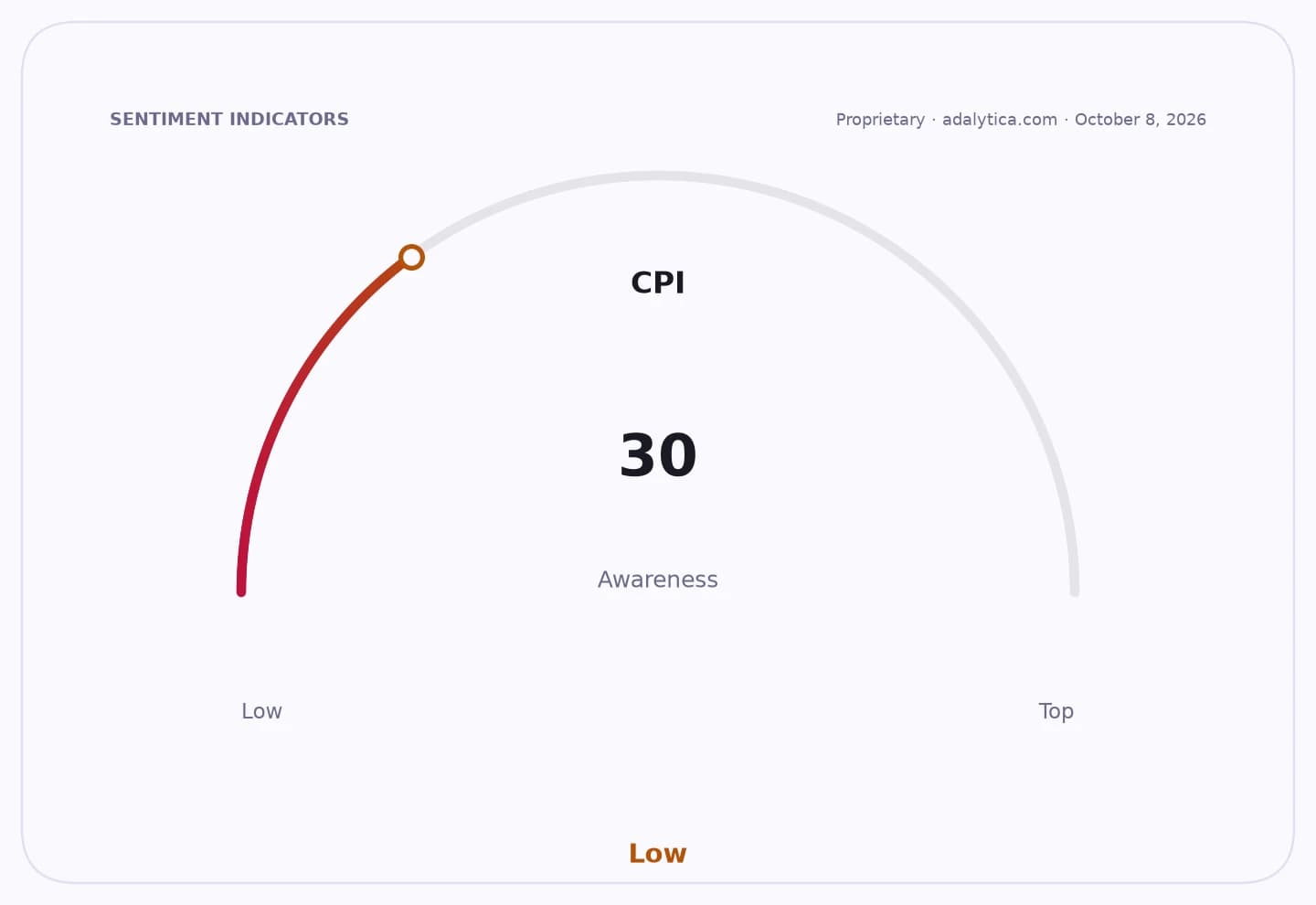
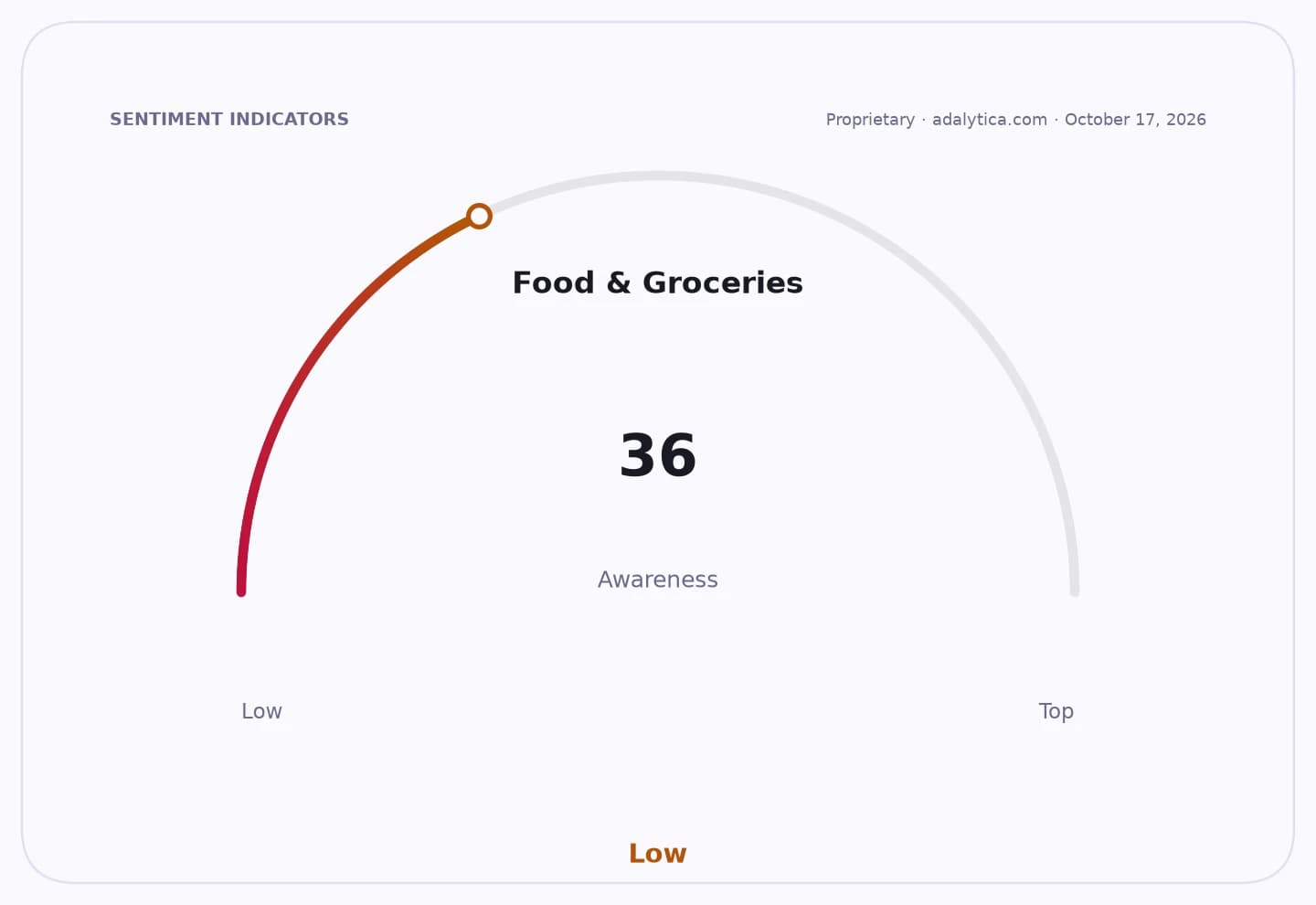
Sentiment IndicatorsⓘProprietary · adalytica.com · October 17, 2026
This is a snapshot — live sentiment, awareness and momentum for 130+ markets update continuously in the dashboard.Open AlphaPulse
That dynamic is showing up in the broader spending backdrop. Adalytica’s Food and Grocery Spending Sentiment remains in “Extreme Fear,” even after a small daily improvement, while CPI sentiment has eased from recent extremes but still reflects a market fixated on price levels. In other words, the festive season is arriving into an environment where consumers are still hunting for value rather than trading up, making discounts more a defensive necessity than a pure growth lever.
For merchants, the immediate benefit is footfall and basket-building. Deep promotional pricing on rice and other daily essentials can pull shoppers into stores, where they may also buy higher-margin packaged goods, household products and festive items. For organized retailers and marketplaces, the risk is that traffic gains come with margin dilution, especially if the discount war extends beyond the holiday window. Small kiranas and unbranded sellers may struggle to match the offers.
The timing also matters for India’s broader inflation narrative. Heavy festival discounts can temporarily soften the pricing pressure visible to consumers, even as underlying demand remains uneven. That makes the seasonal sales period important not just for retailers, but for policymakers and investors trying to judge whether consumption is stabilizing or merely being subsidized by promotions.
Market participants will be watching whether the discounting converts into sustained volume growth after Puja, or whether it simply pulls forward demand at the cost of profitability. A stronger-than-expected festive season would support names tied to staples, e-commerce and payment volumes; a weak conversion would reinforce the view that Indian consumers are still trading down and that retailers will have to keep spending heavily to defend market share.
| Entity | Gains | Losses |
|---|---|---|
| Consumers | ▲Lower festival prices | ▼Less room for quality upgrades |
| Large retailers and e-commerce platforms | ▲Higher traffic and volumes | ▼Margin pressure |
| Small kiranas | ▲Limited price-match ability | ▼Share loss to chains |
| Food and grocery suppliers | ▲Festive throughput | ▼Price concessions |