Banks in Poland extended a record PLN 14.8 billion of mortgages in July, underscoring how resilient housing demand remains even as borrowing costs, affordability concerns and a cautious household outlook continue to weigh on the market.
Poland banks extend record PLN 14.8B mortgages
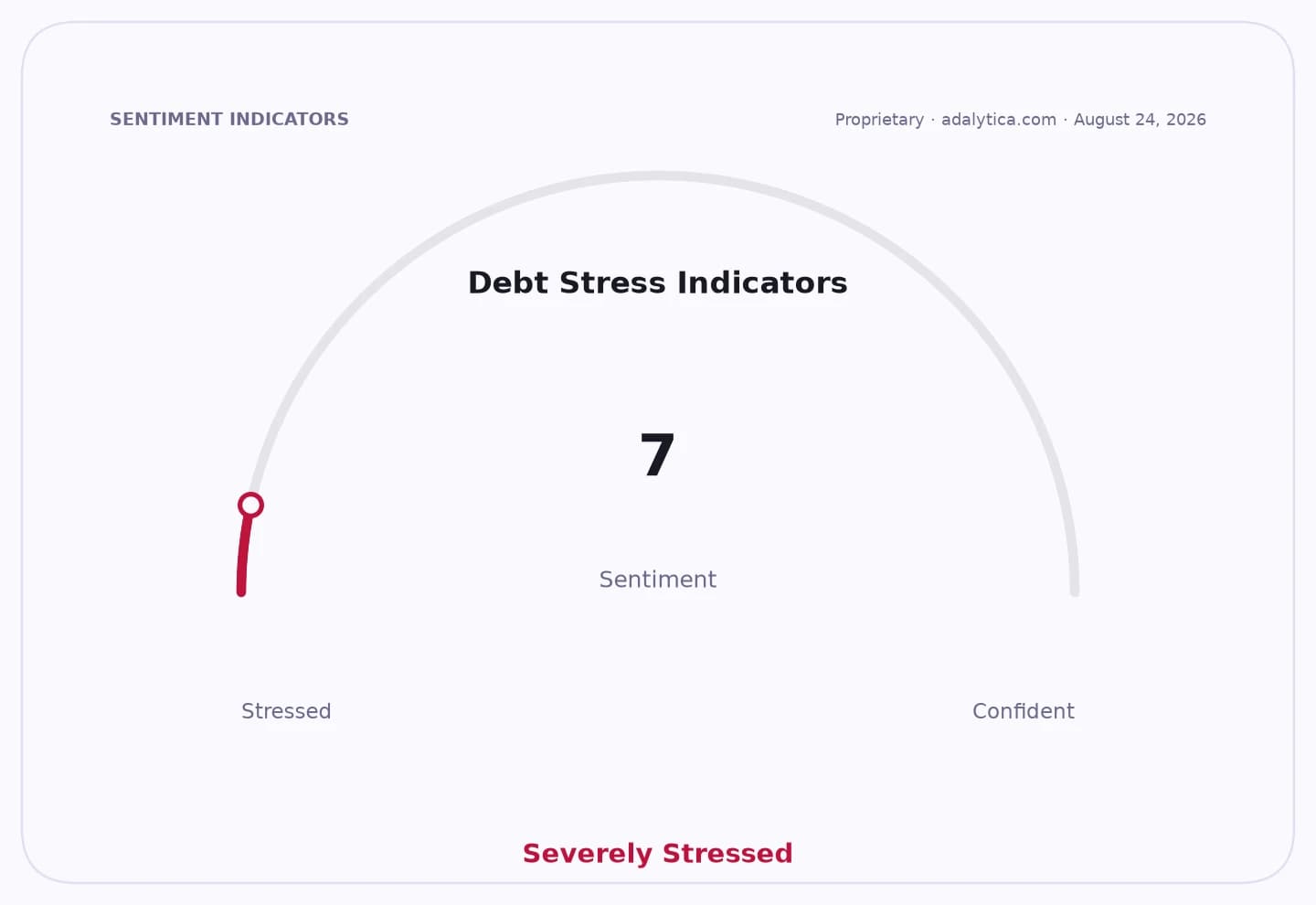
The surge matters because mortgages are one of the clearest readouts on domestic credit momentum, household confidence and the health of the housing cycle. Strong lending supports construction, furniture, renovation and broader consumer spending, but it can also amplify pressure on prices if supply remains tight.
The July figure points to a market that is still finding buyers despite years of elevated financing costs. In Poland, mortgage activity has been sensitive to policy rates and bank lending standards, and record issuance suggests borrowers are adapting to the new rate environment rather than waiting for a large drop in borrowing costs. A sustained pickup in loan growth would also reinforce the view that the housing market is absorbing tighter monetary conditions better than many feared.
That helps explain why homebuilder shares have held up. XHB, the U.S. homebuilders ETF, has steadied around its 50-day and 200-day moving averages in recent weeks, reflecting how investors are still willing to pay for exposure to housing resilience when rates stop rising. More directly relevant to credit markets, PFF, the preferred-stock ETF, has also traded near its short- and long-term averages, suggesting investors are not pricing acute stress in financials even as mortgage activity picks up.
At the same time, the backdrop is not uniformly bullish. Poland’s mortgage boom can just as easily reflect borrowers rushing to lock in financing before conditions change, rather than a clean expansion in real affordability. If wage growth slows or housing supply stays constrained, the risk is that record lending feeds price pressure more than actual access to homeownership.
The key question for investors is whether July marks the start of a durable credit upswing or a one-off burst in demand. If banks keep loosening mortgage access and households continue to borrow, the housing market should remain a support for domestic growth. If not, the record print may prove to be a late-cycle surge that leaves lenders exposed to weaker demand later in the year.
| Entity | Gains | Losses |
|---|---|---|
| Polish banks | ▲Higher loan growth | ▼Tighter credit standards |
| Homebuyers | ▲More mortgage availability | ▼Higher debt burdens |
| Builders and suppliers | ▲Stronger housing demand | ▼Affordability pressure |
| Households waiting for lower rates | ▲No immediate upside | ▼Missed entry window |