Handelsbanken has raised several mortgage rates, adding to evidence that higher policy rates are now working their way into Swedish households’ borrowing costs and threatening to keep pressure on property-related spending.
Handelsbanken raises mortgage rates in Sweden
The move matters because mortgages are the main transmission channel from central-bank tightening to consumers. When lenders reprice home loans, monthly payments rise quickly, disposable income shrinks and the housing market feels the strain. That is especially important in Sweden, where many borrowers are already sensitive to changes in variable rates and short fixes are common.
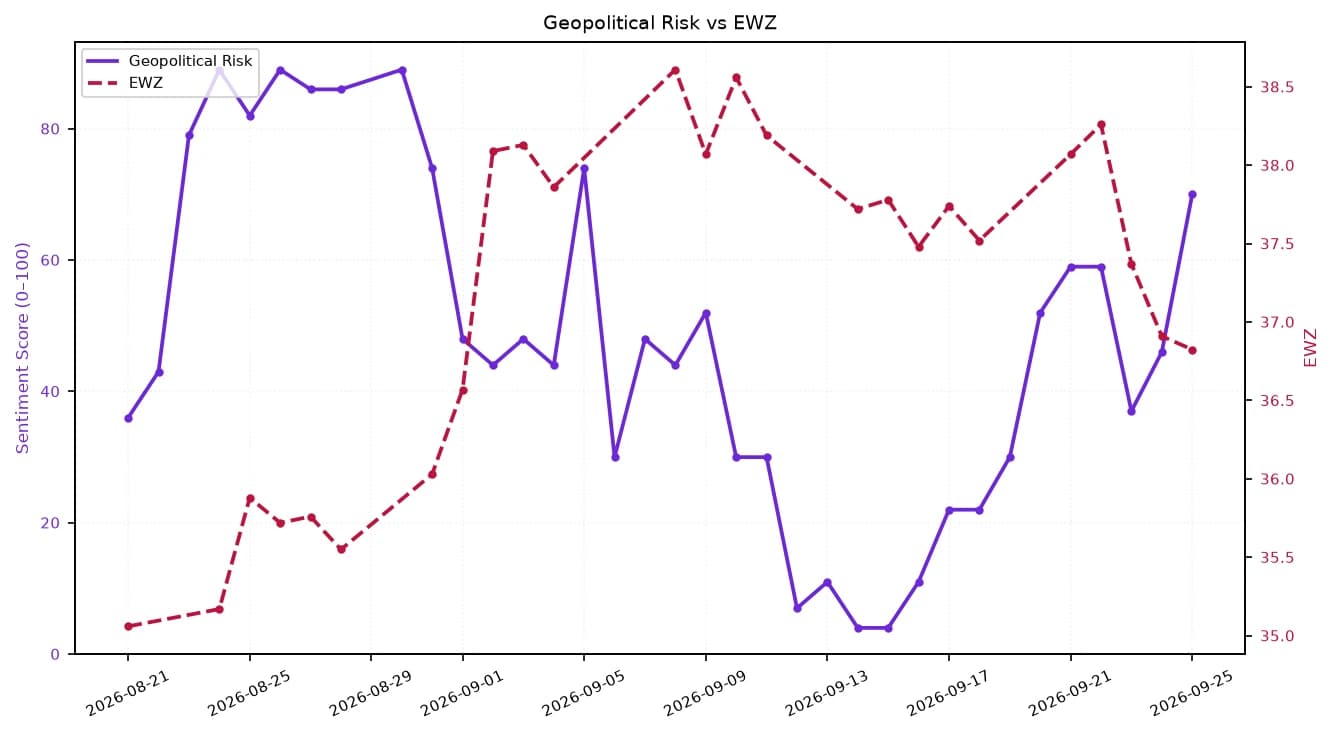
Sentiment IndicatorsⓘProprietary · adalytica.com · September 20, 2026
This is a snapshot — live sentiment, awareness and momentum for 130+ markets update continuously in the dashboard.Open AlphaPulse
The latest repricing comes against a broader backdrop of tighter global monetary conditions. U.S. policy rates remain far above the ultra-low levels of recent years, and Treasury yields are still elevated by historical standards, keeping funding costs higher for banks and borrowers alike. In the U.S., the 10-year Treasury yield was last around 5%, while the federal funds rate has held at 3.63%, underscoring how restrictive borrowing conditions remain even after some earlier easing. Those moves help shape global funding markets and expectations for mortgage pricing in open economies such as Sweden.
For Swedish lenders, the economics are straightforward: higher mortgage rates can support net interest margins, but they also raise the risk of slower loan demand, weaker refinancing activity and more stress among households. For borrowers, the impact is immediate. SBAB has said variable mortgage rates could rise by about half a percentage point, which would lift monthly costs by roughly SEK 1,250 on a SEK 3 million mortgage. Even if individual banks adjust at different speeds, the direction of travel is the same — financing a home is getting more expensive.
Investors will read the move in two ways. Bank shareholders may welcome the prospect of better loan pricing, but they will also weigh whether higher rates curb credit growth and increase default risk if Sweden’s economy slows. Housing-sensitive sectors, meanwhile, face a tougher backdrop as higher debt service leaves less room for consumption and renovation spending. Adalytica’s housing and rent inflation sentiment indicator points to extreme fear, suggesting market participants are already treating the sector as vulnerable to further rate pressure.
The key question now is how far lenders go in passing through higher funding costs and whether borrowers shift decisively toward fixed-rate products to lock in certainty. If mortgage repricing continues, the adjustment will reach beyond banks and homeowners, feeding into broader Swedish demand, property valuations and the pace of economic activity over the coming quarters.
| Entity | Gains | Losses |
|---|---|---|
| Handelsbanken and peers | ▲Wider lending margins | ▼Slower mortgage demand |
| Swedish savers | ▲Better deposit returns | ▼— |
| Homeowners with variable loans | ▲— | ▼Higher monthly payments |
| Housing market | ▲— | ▼Lower affordability and activity |