Two new investigations are shaking the Port of Trieste, with prosecutors alleging the undue receipt of 22 million euros in public funds and Italy’s state auditor examining a separate 1 million-euro damage claim tied to staff pay. The probes deepen legal pressure on one of the Adriatic’s key logistics hubs and raise the risk of disruption for operators, public administrators and investors exposed to Italy’s port and transport infrastructure.
Port of Trieste faces new public funds probes
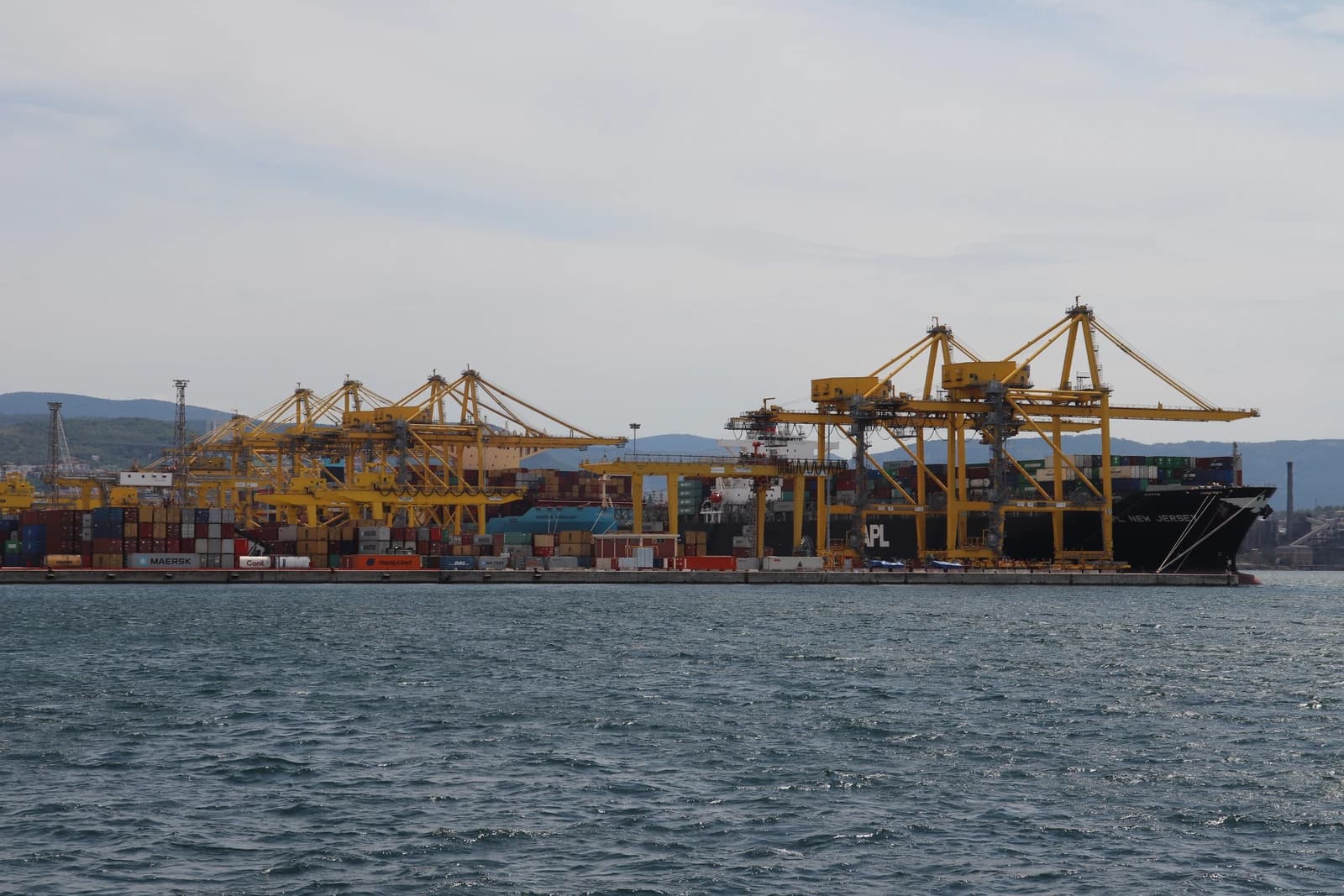
The most consequential case centers on Alpe Adria, Trieste Marine Terminal and To Delta, where investigators are examining cash flows that allegedly moved over several years from the public stake-linked Alpe Adria to the private logistics companies. Two managers are under investigation for alleged undue perception of public money, according to local reports cited by Shipping Italy and AdriaPorts.
That inquiry now sits alongside the earlier money-laundering case involving Antonio Gurrieri, then special commissioner of the port authority and later a failed candidate to lead the Eastern Adriatic Port Authority. The new case suggests the legal risk around Trieste’s port governance is widening, not narrowing, and could keep management attention focused on litigation rather than throughput, investment and concession decisions.
Separately, the regional office of Italy’s Court of Auditors is examining a possible 1 million-euro loss to the treasury linked to staff allowances at the port authority. The audit body has reportedly served notices to current and former executives over how ministerial circulars were applied to supplement managerial pay.
For investors, the issue is less about the headline sums than about governance at a strategically important gateway for freight, terminals and multimodal operators. Prolonged investigations can slow administrative decisions, complicate concession oversight and increase compliance costs for private partners that rely on stable public-sector counterparties.
The Port of Trieste said the probes are distinct and relate to different matters and time periods, adding that it has full confidence in its managers and will cooperate with authorities. The next market-relevant catalyst is whether prosecutors broaden the criminal case or whether the Court of Auditors escalates its administrative findings, either of which could further strain confidence in the port’s operating model.
| Entity | Gains | Losses |
|---|---|---|
| Prosecutors and auditors | ▲Authority to pursue graft claims | ▼None if cases stall |
| Public finances | ▲Potential recovery of funds | ▼Exposure to alleged misuse |
| Trieste port operators | ▲Clarity if probes end quickly | ▼Management distraction, reputational damage |
| Investors and concession holders | ▲Better governance if reforms follow | ▼Higher compliance and legal risk |