The ’Ndrangheta-linked cocaine network uncovered by Italian and Brazilian investigators kept moving drugs after the 2019 arrest of broker Nicola Assisi and his son Patrick, underscoring how organized crime groups can absorb enforcement shocks and preserve transatlantic supply lines.
Italian and Brazilian investigators uncover cocaine network

That matters because the operation, codenamed “Eredità,” points to a criminal franchise with the resilience of a multinational logistics business: it kept contacts with South American suppliers, maintained routes into Europe and handed operational control to relatives and trusted lieutenants. Investigators say the structure handled at least 11 shipments totaling more than 4.6 metric tons of cocaine between 2019 and 2020, with consignments aimed at Italy, Belgium, the Netherlands, France and Portugal.
The probe also suggests the money machine survived alongside the drug pipeline. Prosecutors say the group used encrypted communications, counter-surveillance tools, shell companies, real estate and informal transfer systems to move and recycle proceeds, with part of the cash from European sales funneled back to South America to finance new shipments. Europol provided financial analysis, and specialists from Italy were sent to Brazil to support the latest phase of the case.
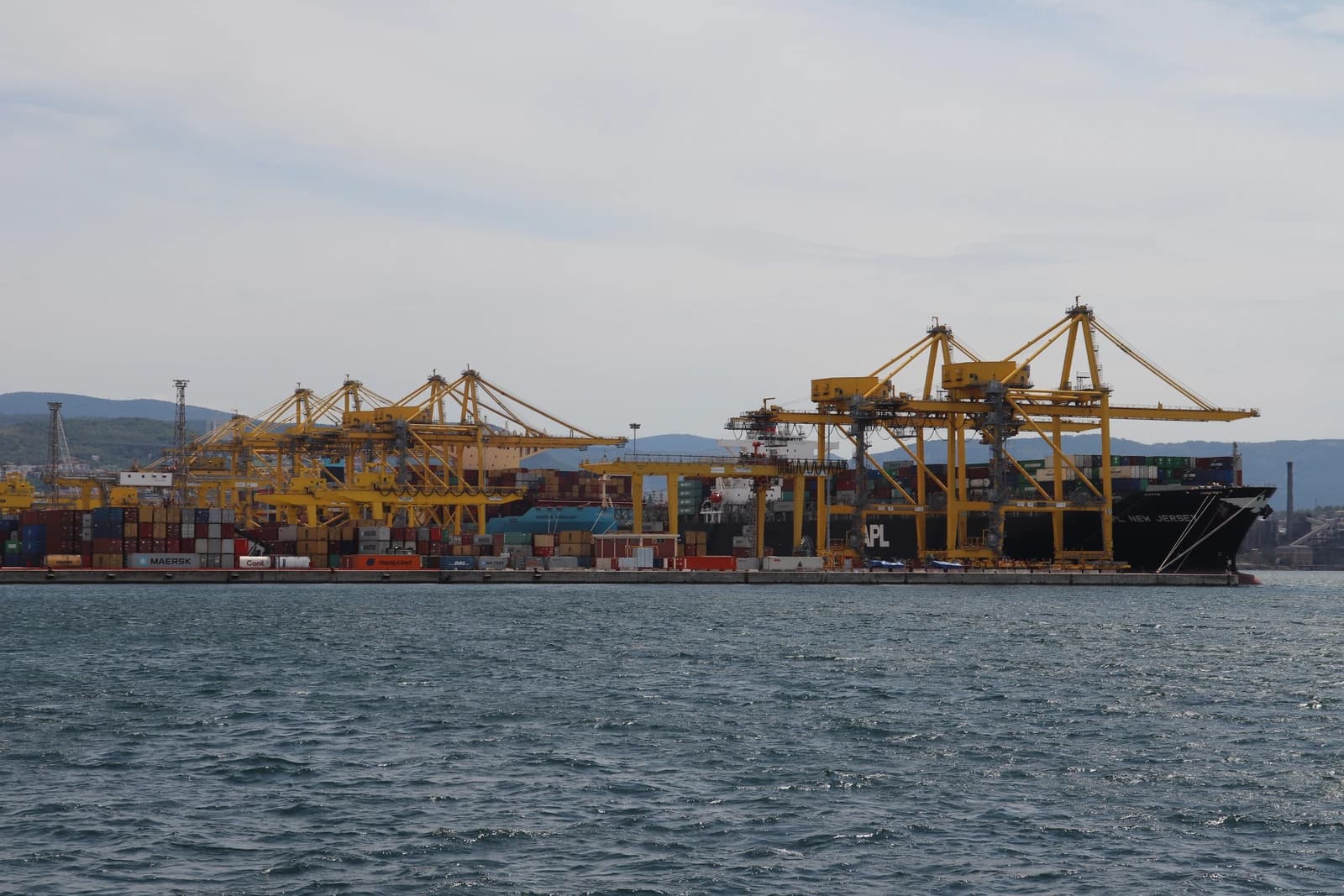
The investigation builds on joint work between the two countries from 2020 to 2025 and follows the December 2024 “Samba” and “Mafiusi” operations. It also centers on the Brazilian port of Paranaguá, a key export node that investigators say the network used to push cocaine across the Atlantic, highlighting the strategic role of port infrastructure in the global drug trade.
For investors, the immediate market impact is limited, but the case is another reminder of the persistent security and compliance risks tied to major Latin American trade corridors, especially for ports, logistics operators, insurers and financial intermediaries facing heightened scrutiny over illicit flows. The next catalyst is whether the new arrests and asset-tracing measures disrupt the remaining pipeline or merely trigger another handover inside the same network.
| Entity | Gains | Losses |
|---|---|---|
| Italian and Brazilian authorities | ▲stronger transnational case | ▼ongoing enforcement burden |
| Europol and prosecutors | ▲deeper financial-trace evidence | ▼higher complexity of follow-on probes |
| Port and logistics operators under scrutiny | ▲cleaner networks long term | ▼compliance costs and reputational risk |
| Ndrangheta-linked traffickers | ▲none | ▼disrupted routes and seized cocaine |