The British pound is being positioned for a recovery, and the most important piece of the puzzle is not a sudden boom in UK growth or a new policy shock. It is the market itself: heavy short positions can become fuel for a move higher when the dollar weakens and traders start rushing to cover.
Pound Rises as Short Covering Builds in GBP/USD

That matters because currencies rarely move in straight lines. When positioning becomes crowded, even a modest shift in sentiment can trigger a bigger-than-expected bounce. For investors with exposure to the pound through exchange-traded funds, international shares or overseas revenues, that can mean a sharper near-term move than fundamentals alone would suggest.
Sentiment Indicators

Sterling’s recent price action shows the setup. GBP/USD has climbed to about 1.35, back above both its 50-day and 200-day moving averages near 1.34, with the relative strength index rising to 73.7, a level that points to strong momentum. The move has also nudged the pair toward the upper end of its recent Bollinger Band range, suggesting the rebound has gathered pace after a long stretch of consolidation.
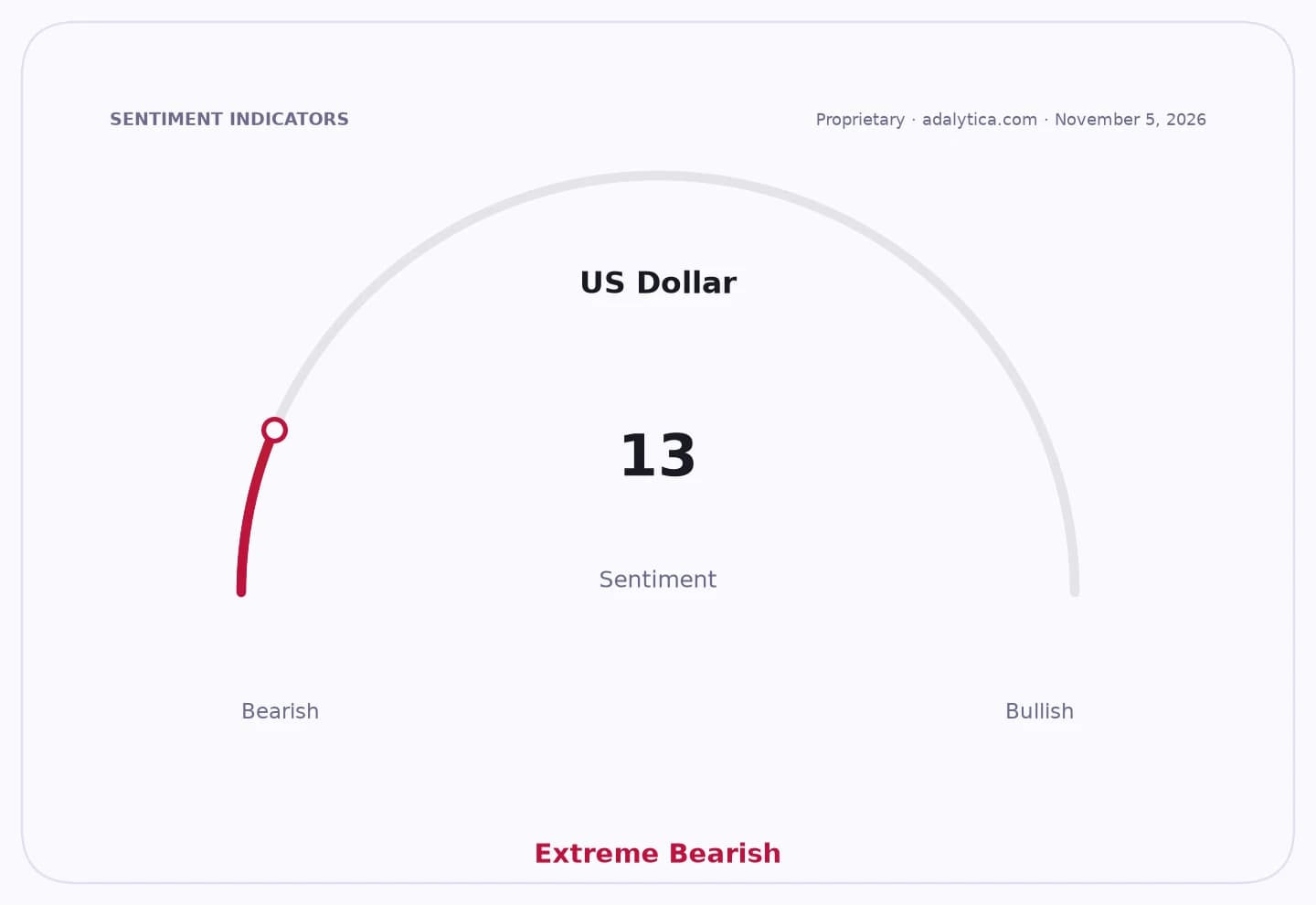
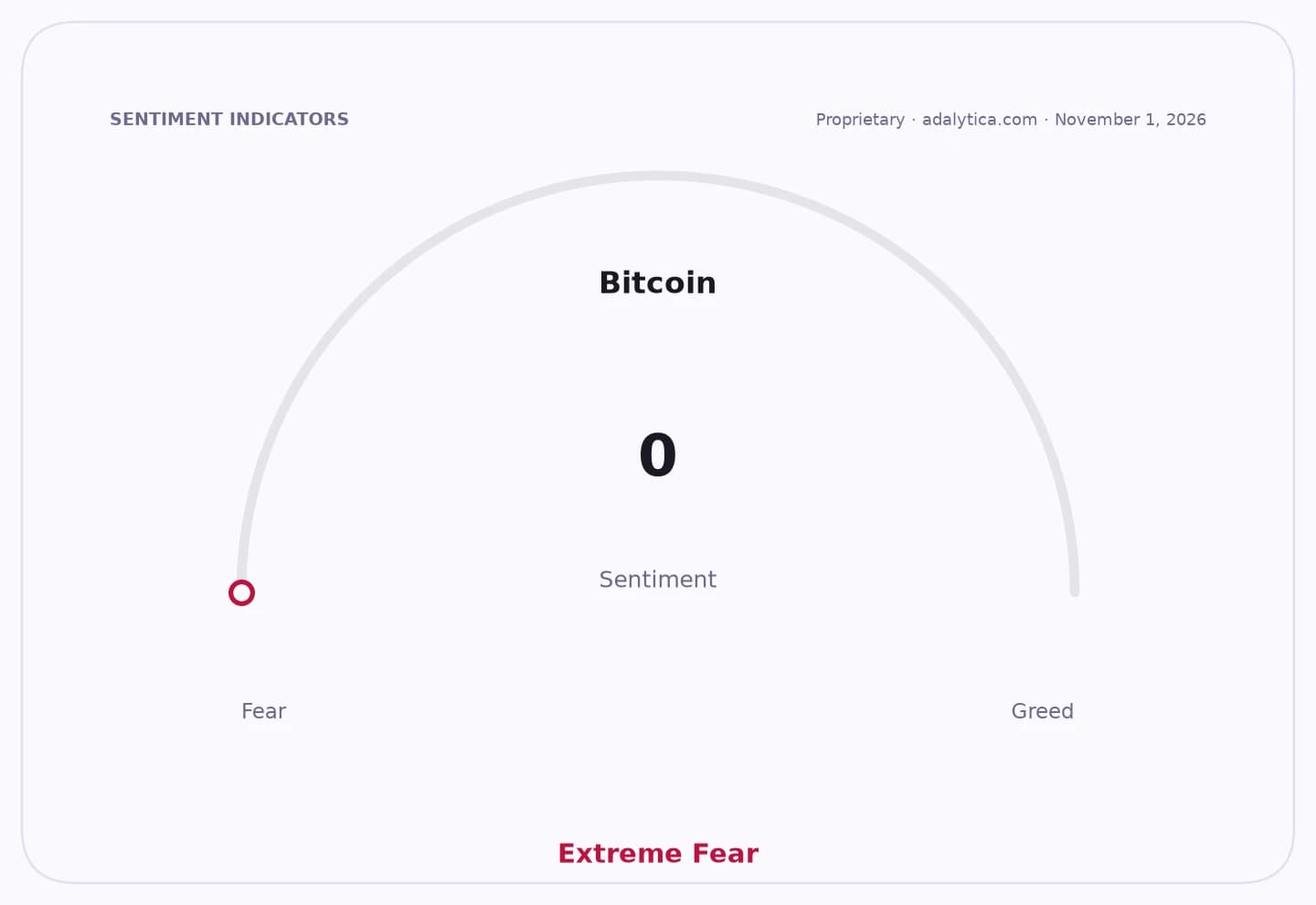
The broader dollar backdrop helps explain why UBS is flagging a possible pound recovery. Adalytica’s trade signals show extreme greed in sterling and fear in the greenback, while the dollar’s 30-day sentiment reading has fallen sharply. In plain English, the market appears more comfortable selling dollars than it was a month ago, and that often gives high-beta currencies like sterling room to run.
British Pound — 30-day sentimentadalytica.com
Explore this data interactively — full history, time series and cross-market comparisons.
British Pound
The story is not just technical. A weaker dollar can ease financial conditions globally, support risk assets and make non-US holdings look more attractive to international investors. For UK-based investors, a firmer pound can reduce the value of overseas earnings when translated back home, but it also lowers the cost of imports and can help temper inflation. That makes the currency move relevant well beyond foreign exchange desks.
FXB, the Invesco CurrencyShares British Pound Sterling Trust, has also edged higher, trading around 128.81 after spending much of the year fluctuating around its 50-day and 200-day averages. The trust’s momentum has improved, reinforcing the idea that the currency is trying to break out of a longer sideways pattern rather than merely staging a one-day bounce.
Still, investors should not mistake a crowded short for a permanent bull case. If US data or Federal Reserve messaging turns more supportive for the dollar, sterling can quickly lose altitude. And while a short squeeze can power a rally, it does not by itself create a durable trend unless it is backed by better UK growth, steadier inflation or a more constructive rate outlook.
For long-term investors, the practical lesson is simple: currency swings can create opportunity, but they are rarely a reason to abandon a diversified portfolio. If you own UK assets, global funds or multinational businesses, a stronger pound changes the math, but it does not change the underlying discipline of investing for years, not days. Sterling looks worth watching, especially if short positioning continues to unwind.
| Entity | Gains | Losses |
|---|---|---|
| Pound bulls | ▲Short-covering boost | ▼Missed upside if positioned too defensively |
| Pound shorts | ▲Opportunity if rally fades | ▼Pain if squeeze continues |
| UK importers | ▲Cheaper dollar-priced goods | ▼Less help if sterling reverses |
| US dollar holders | ▲Better entry on pullbacks | ▼Softer dollar trend in near term |