The British pound has steadied against the dollar and the euro as investors brace for what looks set to be the Bank of England’s first rate hike since August 2023, a move that matters because it would mark a real shift from patience to tightening just as higher energy prices threaten to keep inflation sticky.
British pound steadies ahead of BoE rate hike

For investors, this is not just about one meeting in London. It is about whether the Bank of England can still keep sterling attractive without choking off growth. Currency markets are already betting it can: overnight-indexed swaps and other money-market pricing show traders fully discounting four quarter-point rate increases by next September. That kind of pricing tells you the market sees the BoE as moving from “wait and see” to active defense against inflation.
Sentiment Indicators
British Pound
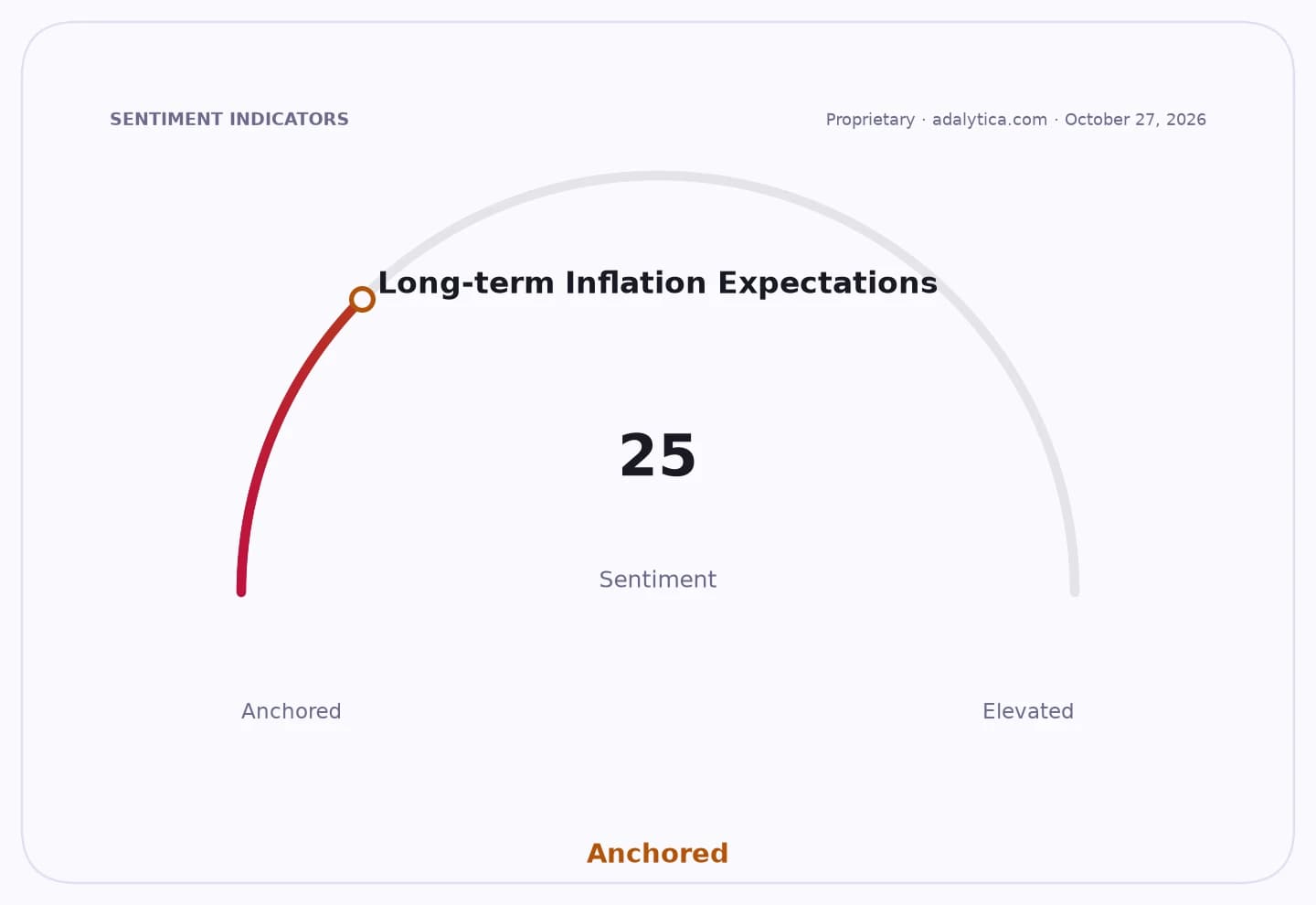
The backdrop is still dominated by energy. Brent crude, even after falling about 4.5% on hopes of a diplomatic off-ramp in the Middle East, was still around $108.37 a barrel — well above pre-war levels — and that is exactly the sort of input cost pressure central bankers worry about. ING economists said the BoE had effectively been in “active hold,” with the absence of expected cuts working like a tightening in itself. But with inflation expected to climb above 4% early next year from 3.5% now, the case for a hike is getting harder to ignore.
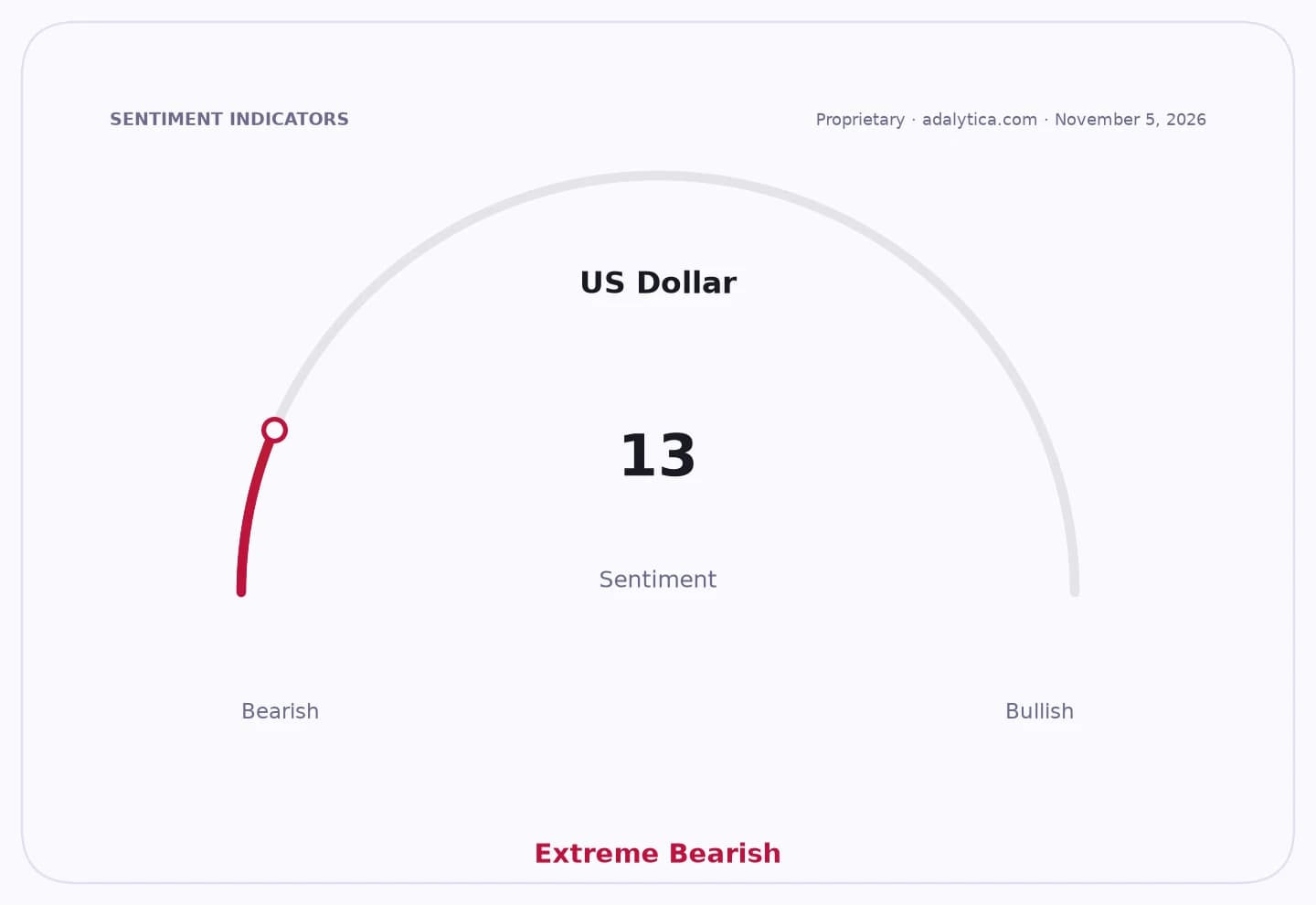
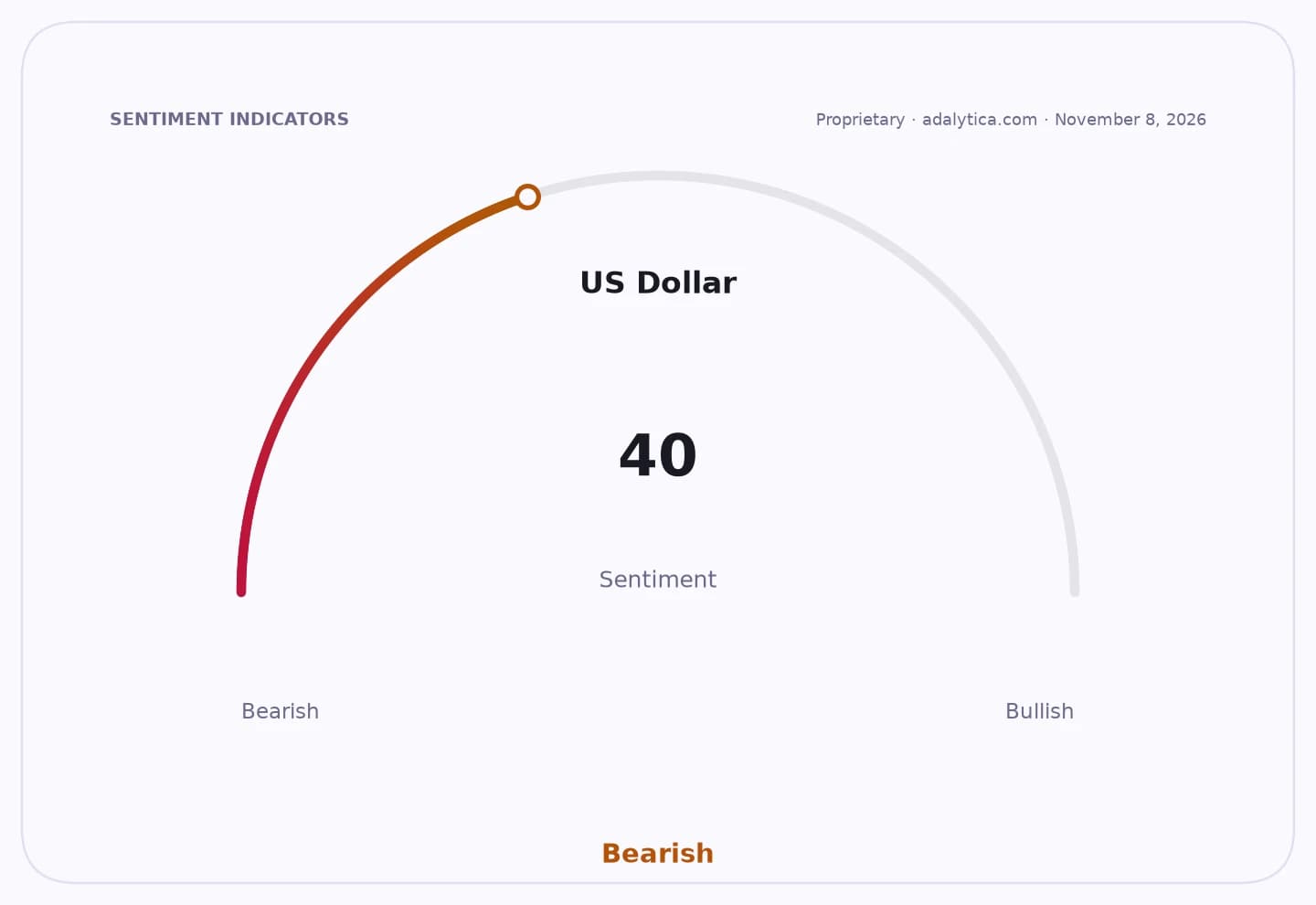
Sterling’s recent move shows how quickly currencies can respond when rate expectations change. The pound rose to $1.3417 against the dollar and traded at 83.53 pence against the euro, helped by a softer greenback and improved risk appetite after oil prices eased. That matters for multinational investors because a firmer pound can reduce imported inflation, support purchasing power, and improve returns for overseas holders of UK assets. It also matters for those holding dollar-linked positions: the dollar’s retreat and the pound’s steadier tone suggest the market may be shifting toward a more balanced foreign-exchange backdrop after months of U.S. dollar strength.
British Pound — 30-day sentimentadalytica.com
Explore this data interactively — full history, time series and cross-market comparisons.
Technically, the pound is also holding up well. GBPUSD is sitting near 1.35, roughly in line with its 50-day and 200-day moving averages, while the pair’s RSI has climbed into the low 70s, a conventional sign of strong momentum. That does not guarantee a breakout, but it does show the market is no longer treating sterling as a one-way bet against the Bank of England.
The bigger investor takeaway is that central-bank divergence may soon matter less than a common enemy: inflation driven by energy. If the BoE does follow through with tighter policy, sterling could stay supported in the near term. Over the longer run, though, the currency will need help from something more durable than rate differentials alone — namely steadier growth, contained inflation and fewer geopolitical shocks. For long-term investors, the pound is worth watching, but not chasing; what matters most is whether the UK can turn this policy tightening into lasting macro stability.
| Entity | Gains | Losses |
|---|---|---|
| British pound | ▲Rate-hike support | ▼Importers facing pricier inputs |
| Bank of England | ▲Credibility on inflation | ▼Growth-sensitive borrowers |
| UK consumers | ▲Slower inflation pass-through | ▼Higher mortgage and credit costs |
| Dollar bulls | ▲— | ▼Softer U.S. currency demand |