Food price hikes in fruit and vegetables are becoming a cash-flow shock for households, eroding family income even as broader global food inflation shows tentative signs of cooling.
Produce Inflation Squeezes Household Spending
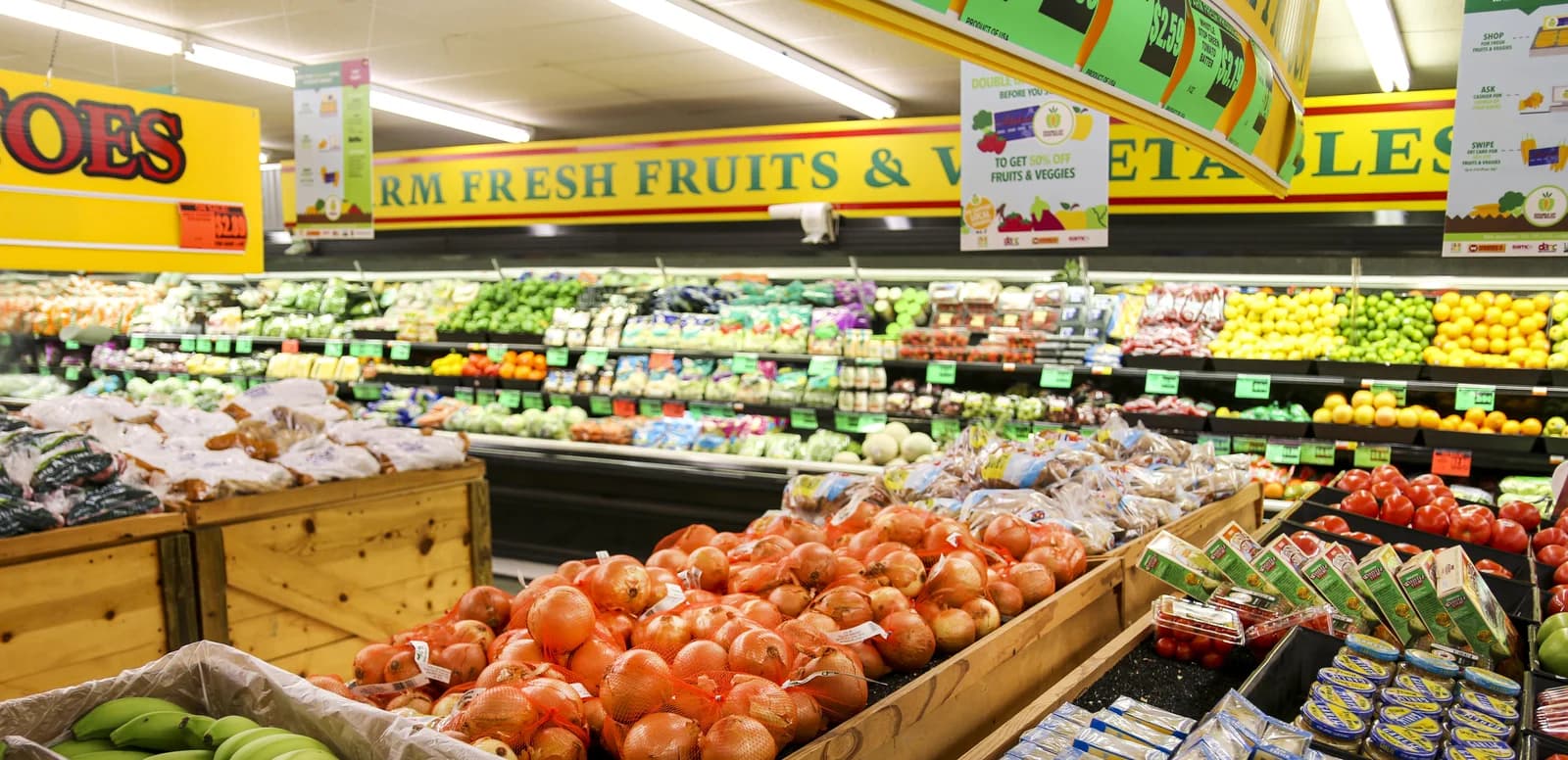
The economic issue is not just that grocery bills are higher. Fresh produce is bought frequently, prices are visible, and demand is difficult to defer. That makes fruit and vegetables a powerful channel through which inflation changes consumer behavior, forcing families to cut quantities, trade down or reduce spending elsewhere. For investors, that keeps food inflation relevant even when headline CPI appears to be stabilizing.
Sentiment Indicators
A recent survey showing 70% of American parents are increasingly stressed by food costs underscores the pressure on household budgets. The strain is especially acute because food spending is hard to forecast: produce prices can move quickly with weather, transport, labor and energy costs, leaving families with less certainty over weekly expenses and less room for discretionary purchases.
That matters for the macro regime. If households are using more income to buy basic food, the hit lands first on restaurants, apparel, leisure and lower-end retail. It also complicates the job of central banks because food inflation is often treated as volatile, yet it has an outsized impact on inflation expectations and political pressure.

The global backdrop is mixed rather than benign. International food prices have eased mildly in some categories, but local inflation remains uneven, with Tunisia reporting a 7.1% rise in food prices in June. Malaysia’s goal of halving food imports by 2050 reflects the same strategic concern: governments increasingly see food security as an inflation, trade-balance and social-stability issue, not just an agricultural one.
Geopolitics adds another layer. The U.S.-Iran conflict threatens to raise energy, shipping and fertilizer costs, which can feed quickly into fresh food prices. Even if global commodity benchmarks soften, disruption in logistics or input costs can keep supermarket prices elevated, particularly for import-dependent economies and lower-income households.
Markets are already being asked to distinguish between disinflation in tradable goods and persistent pressure in essentials. Proprietary Adalytica.com CPI indicators show CPI sentiment at 70, a neutral reading, but awareness remains depressed and categorized as extreme fear, suggesting investors are not yet treating food inflation as a broad market shock even as household sensitivity remains high.
For rates, sticky food prices reduce the case for aggressive easing where inflation expectations are fragile. For currencies, food-importing countries remain vulnerable to weaker real incomes and wider import bills, while exporters of agricultural products and inputs may retain pricing power. In commodities, the focus shifts from headline grain prices to energy, fertilizer and transport costs that determine the final shelf price of fresh produce.
Equity allocation is more divided. Large food retailers such as Walmart may win traffic by lowering prices, but price cuts made under political and consumer pressure can squeeze margins. Consumer staples retain defensive appeal, while discretionary retailers face the risk that grocery inflation absorbs wallet share. The longer fruit and vegetable prices stay elevated, the more the inflation story becomes a consumption story.
The next market signal will be whether food-price pressure remains confined to household stress or begins to show up in weaker discretionary sales, stickier inflation expectations and more cautious central-bank language.
| Entity | Gains | Losses |
|---|---|---|
| Food retailers with scale | ▲Higher traffic | ▼Margin pressure |
| Food-importing households | ▲Little relief | ▼Squeezed disposable income |
| Agricultural exporters | ▲Pricing power | ▼Demand risk if prices climb |
| Central-bank hawks | ▲Stronger inflation argument | ▼Growth-sensitive doves |