Vehicle registrations at Pune’s RTO fell nearly 18% during the 10 days before Dhanteras, a sharp sign that inflation and job insecurity are starting to bite into one of India’s most important festive buying windows. The drop matters because Dhanteras is typically a peak period for discretionary purchases, and weakness here suggests households are becoming more cautious about taking on new vehicle loans even as the broader auto market still looks resilient.
Pune RTO vehicle registrations fall before Dhanteras
Pune RTO registered 13,889 regular vehicles in the Dhanteras period, down from 16,582 a year earlier. That decline followed an even steeper 26% drop in registrations during Navratra, indicating the slowdown is not an isolated holiday-week blip. Dealers said higher steel and aluminium costs, together with geopolitical uncertainty, have lifted vehicle prices, while consumers pointed to inflation, salary pressure and the risk of layoffs as reasons to defer purchases.
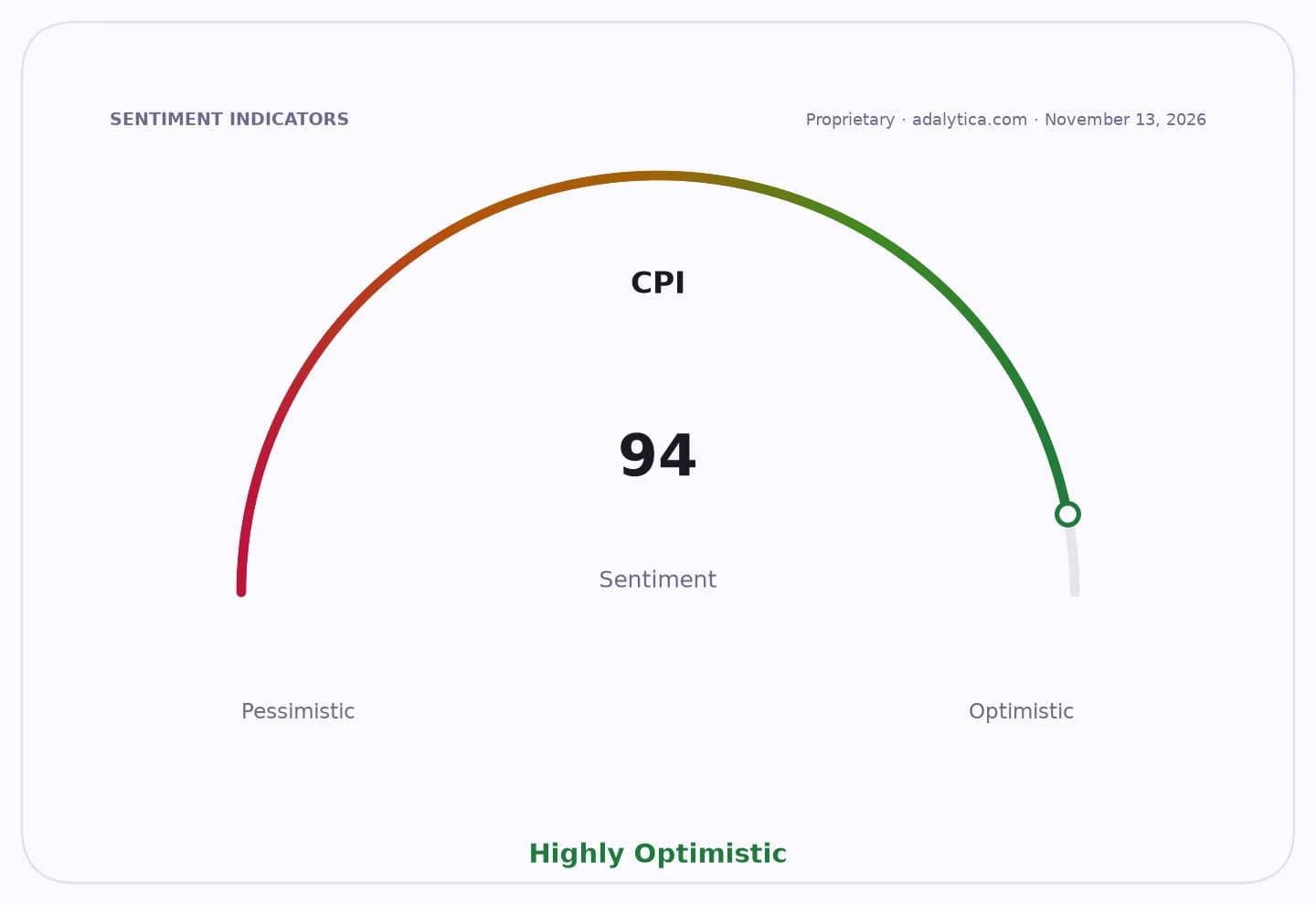
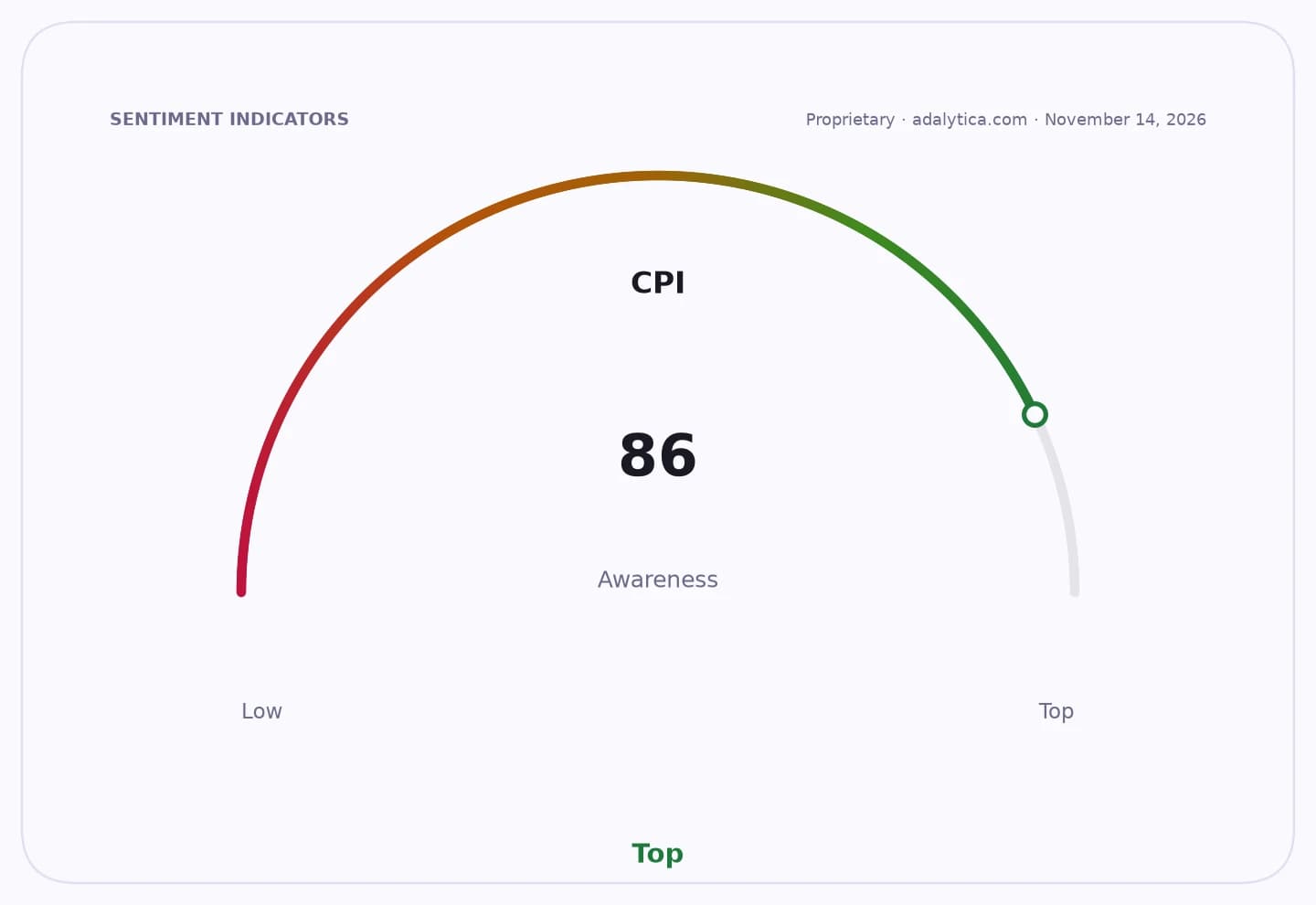
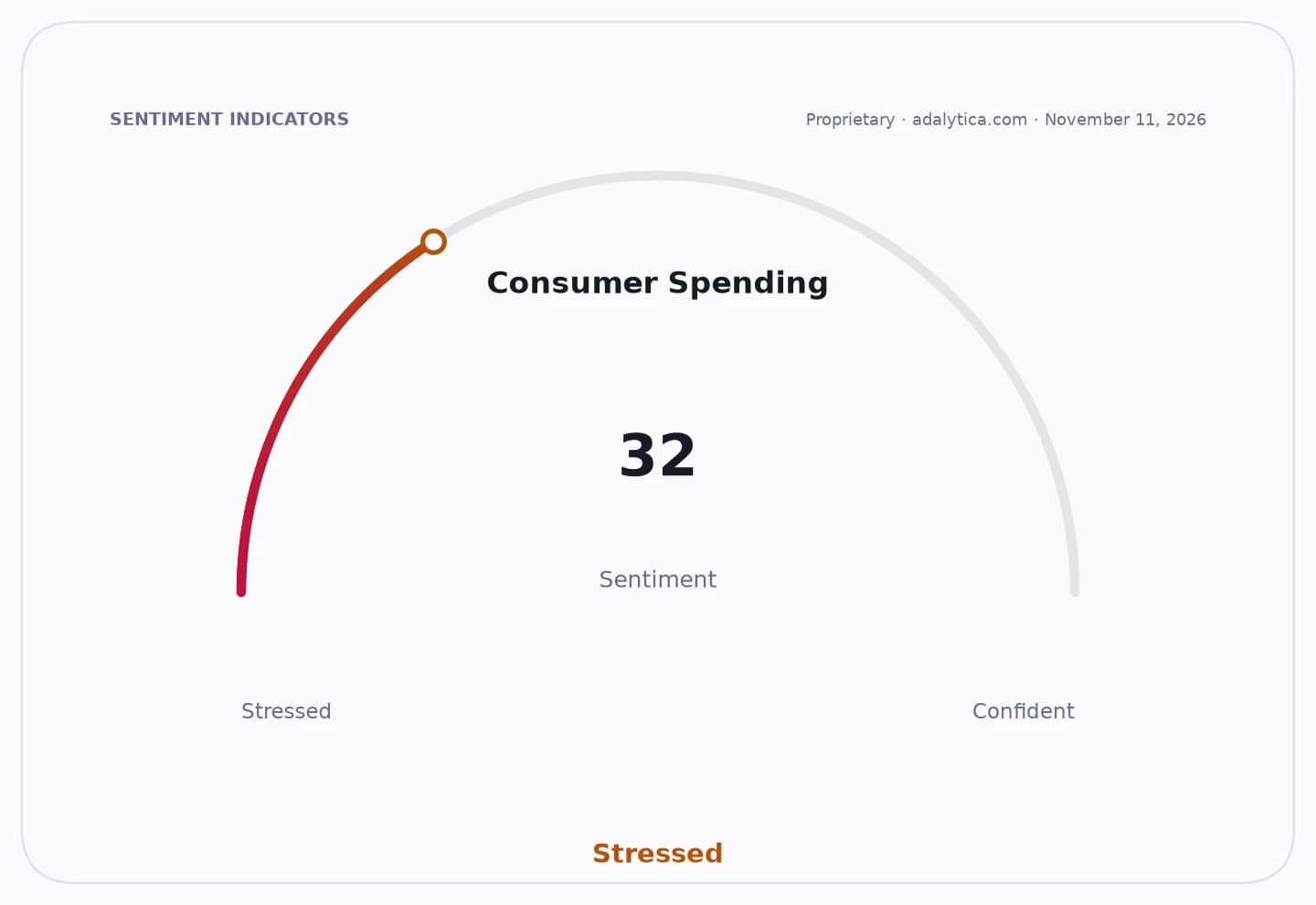
Sentiment Indicators
The data show a more nuanced picture beneath the headline decline. Electric vehicle registrations surged 63% to 2,420 from 1,490, suggesting that EV demand is holding up better than the broader market, likely helped by lower running costs and a still-favorable adoption trend in urban Pune. But the sharp drop in regular vehicle registrations points to pressure in the core mass-market segments, where buyers are more sensitive to monthly installments, fuel costs and household budget strain.
That tension is economically important. India’s retail inflation rose to a two-year high of 6.09% in October, above the Reserve Bank of India’s tolerance band, reinforcing the case for tighter policy and keeping borrowing costs a concern for consumers. For the auto industry, that means festive demand can no longer be assumed to offset margin pressure from input costs. If financing remains expensive and incomes stay under pressure, sales growth may increasingly depend on EVs and premium models rather than the broader market.
For investors, the implication is that volume momentum in India’s auto sector may be more fragile than festive-season marketing suggests. Automakers, dealers and lenders benefit if Dhanteras and Diwali bookings convert into deliveries over the next few weeks, but the weak registration trend raises the risk that part of the demand was simply postponed, not lost. A recovery into Padwa would soften the blow; a continued slowdown would point to a more durable consumption cooling.
The immediate question is whether this is a temporary festive dip or the start of a broader demand plateau. A sustained rise in inflation, a more cautious RBI and continued concerns about employment would pressure two-wheeler and entry-level car sales first, while EV makers could continue to gain share.
| Entity | Gains | Losses |
|---|---|---|
| EV makers | ▲Share gains from demand shift | ▼Regular ICE vehicle rivals |
| Auto consumers | ▲Potential lower running costs | ▼Higher loan burden |
| Pune dealers | ▲Later bookings may convert | ▼Near-term festive volumes |
| RBI / policymakers | ▲Inflation case for caution | ▼Demand-sensitive sectors |