Red Robin Gourmet Burgers has locked in a new secured credit facility, giving the struggling casual-dining chain more breathing room after an aggressive refranchising and asset-sale campaign that is reshaping its balance sheet.
Red Robin locks in new secured credit facility
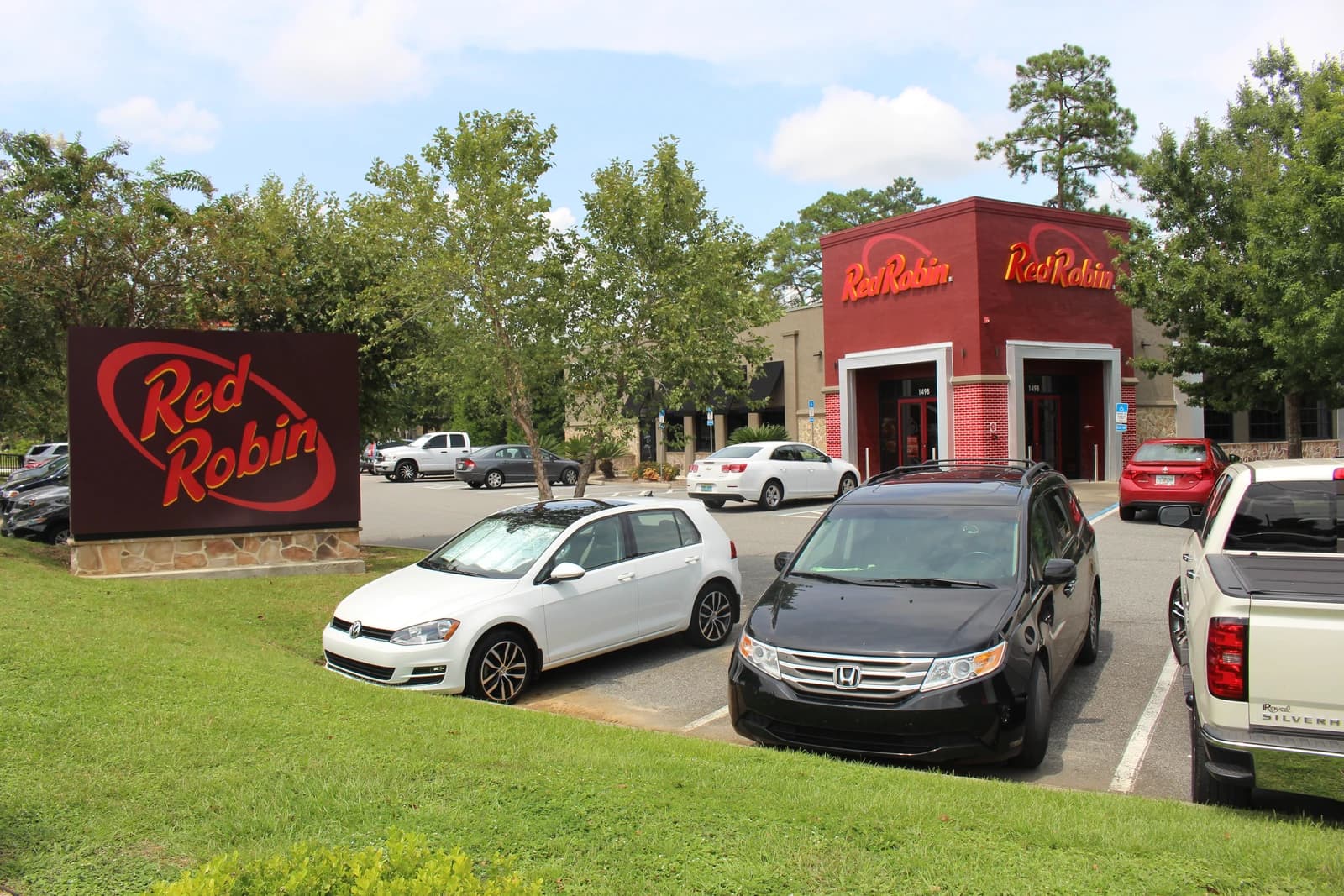
The refinancing matters because it extends Red Robin’s runway to 2031, reduces near-term refinancing risk and gives management time to prove that the turnaround can translate into durable cash flow. For a restaurant company that has spent the past year shrinking its company-operated footprint, cheaper and longer-dated debt can be the difference between a stabilizing recovery and another liquidity crunch.
Sentiment IndicatorsⓘProprietary · adalytica.com · October 5, 2026
This is a snapshot — live sentiment, awareness and momentum for 130+ markets update continuously in the dashboard.Open AlphaPulse
Red Robin said Monday the new facility closed on Oct. 2 and replaces its prior credit agreement. The company has framed the move as part of its “First Choice Plan,” which is aimed at strengthening the business as it leans more heavily on franchised restaurants and exits company-owned locations.
The refinancing follows a series of refranchising transactions that have generated proceeds the company has been using to pay down borrowings. In an earlier filing, Red Robin said net proceeds from the transactions would primarily go toward repaying outstanding debt and fees tied to the deals. The latest facility is secured by substantially all of the borrower’s and guarantors’ assets, underscoring that lenders are still taking meaningful collateral protection.
The terms also suggest a little more flexibility. The facility matures on Oct. 2, 2031, and no amortization is required on the revolving credit line, while term loans carry quarterly principal payments. That structure can help a restaurant operator preserve cash at a time when traffic, margins and consumer demand remain uneven across the sector.
Investors have already been marking up the stock on the restructuring story, with Red Robin shares trading around $8.05 on Monday, above both the 50-day moving average and the 200-day moving average. The move reflects optimism that the company’s balance-sheet cleanup and refranchising could support a cleaner earnings profile, even as the shares remain volatile.
The broader restaurant backdrop remains mixed, with higher borrowing costs still pressuring leveraged operators and consumers still selective on discretionary spending. For Red Robin, the next test is whether the refranchising strategy, together with the new financing, can restore enough consistency in operating results to justify the market’s recent rebound.
| Entity | Gains | Losses |
|---|---|---|
| Red Robin | ▲Longer debt runway | ▼Immediate refinancing pressure |
| Lenders | ▲Collateral-backed loan exposure | ▼Higher credit risk than blue chips |
| Shareholders | ▲Lower near-term default risk | ▼Ongoing restructuring dilution/risk |
| Company-owned store base | ▲Capital-light refranchised model | ▼Shrinking footprint and control |