Ri Happy has filed for judicial recovery in São Paulo to renegotiate R$827.4 million of debt, underscoring how a once-expanding consumer brand has been pushed into formal restructuring by weak discretionary spending, fierce digital competition and Brazil’s high interest rates.
Ri Happy files judicial recovery over R$827.4 million debt

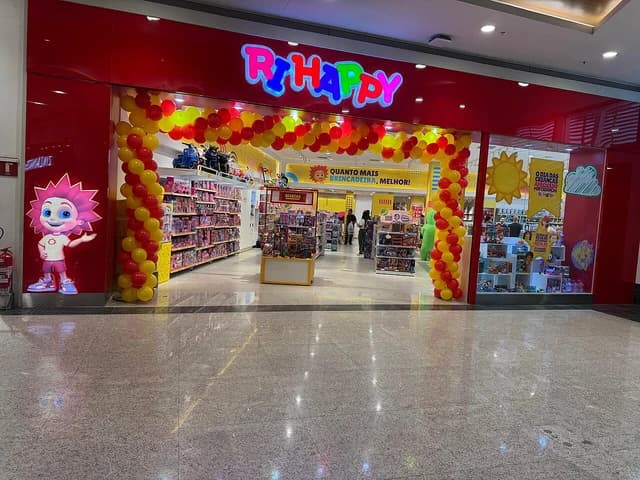
The move matters because it is not just a balance-sheet repair exercise: it is a sign that the pressure on Brazilian retail remains severe even for established chains with nationwide recognition and meaningful scale. Ri Happy said the process, which also covers five other group companies, is part of a financial and personnel restructuring plan, and that stores and online sales will keep operating normally as it heads into Black Friday and the Christmas season, the most important period for toy retailers.
For creditors, suppliers and landlords, judicial recovery shifts negotiations into court-supervised proceedings and can change the timing and recovery value of claims. For investors and private equity owners, it highlights the difficulty of turning around a consumer-facing business when margin pressure collides with expensive funding. The company changed hands only two months ago, when BluSun Capital bought the business, suggesting the new owner inherited a balance-sheet problem that was already deepening.
Ri Happy said the crisis stems from the aftereffects of the pandemic, weaker retail sales, competition and higher borrowing costs. Those factors have already forced the chain to seek help before: in 2023 it hired Starboard Partners to renegotiate R$292 million of debt with banks, but that process did not conclude as planned. The new filing indicates the earlier workout was not enough to restore liquidity or reset the capital structure.
The numbers show the scale of the strain. Ri Happy runs 290 stores and generates annual revenue of about R$1.2 billion, but the debt load is large relative to the business it must support. The company has also closed locations in Taboão da Serra, São Caetano do Sul, Limeira and Tabauté, another sign that management is trying to preserve cash and reduce fixed costs.
The broader sector backdrop is also fragile. Rival toy maker Estrela filed for judicial recovery in May with R$109 million of debt, reinforcing the view that toys and discretionary retail are among the first segments to feel the hit from tighter household budgets and elevated rates. In Brazil, high borrowing costs continue to punish leveraged retailers that depend on inventory financing and seasonal sales.
For shareholders and creditors, the key question now is whether Ri Happy can use court protection to reset maturities and reduce operating costs before peak-season sales arrive, or whether the restructuring will end up confirming a deeper erosion in demand and profitability. The next focus will be the shape of the debt renegotiation, any store rationalization and whether the company can protect cash generation through year-end.
| Entity | Gains | Losses |
|---|---|---|
| Ri Happy management | ▲Court-supervised breathing room | ▼Loss of flexibility |
| BluSun Capital | ▲Chance to restructure operations | ▼Inherits debt burden |
| Creditors and suppliers | ▲Potentially orderly repayment | ▼Delayed recovery |
| Rival retailers | ▲Possible share gain | ▼Higher sector stress |