Stitch Fix is trying to stabilize after boardroom upheaval, rising costs and a heavy debt load left the fashion retailer carrying $65 million of debt, even as its shares extended a sharp recovery to $4.68 on Oct. 22. The stock has more than doubled from its Sept. 21 low of $2.90, but it remains well below its 50-day moving average of $3.94 and the longer-term 200-day average of $5.84, underscoring how fragile the rebound still is.
Stitch Fix Debt and Stock Rebound After Board Upheaval
The debt burden matters because it limits Stitch Fix’s flexibility at a time when the company is still repairing its operating model. Fashion retail is a margin-sensitive business, and a leveraged balance sheet raises the cost of doing that repair, whether through inventory, marketing or technology spending. For investors, the question is not whether the stock can move sharply — it can — but whether the company can turn a volatile equity bounce into a durable turnaround without eroding more cash.
Sentiment IndicatorsⓘProprietary · adalytica.com · October 22, 2026
This is a snapshot — live sentiment, awareness and momentum for 130+ markets update continuously in the dashboard.Open AlphaPulse
Trading in the name has been extreme. Stitch Fix surged from $2.90 on Sept. 21 to $4.68 on Oct. 22, a gain of more than 60%, but the move has come alongside very high volatility and momentum readings, with the 14-day RSI at 81.0, a level that typically points to overbought conditions. The stock also remains beneath the 200-day average, suggesting the market has not yet fully repriced the company as a stable growth story.
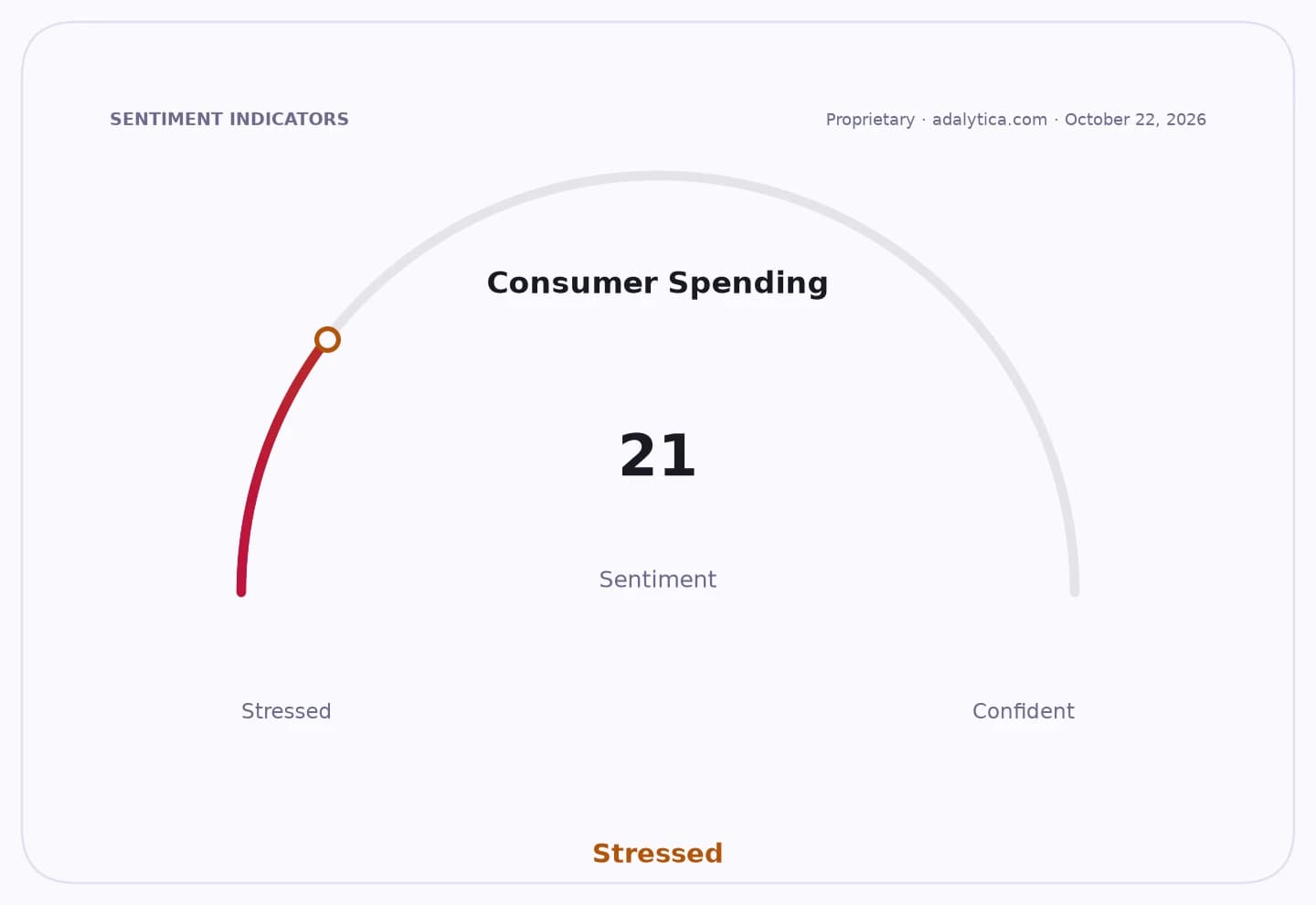
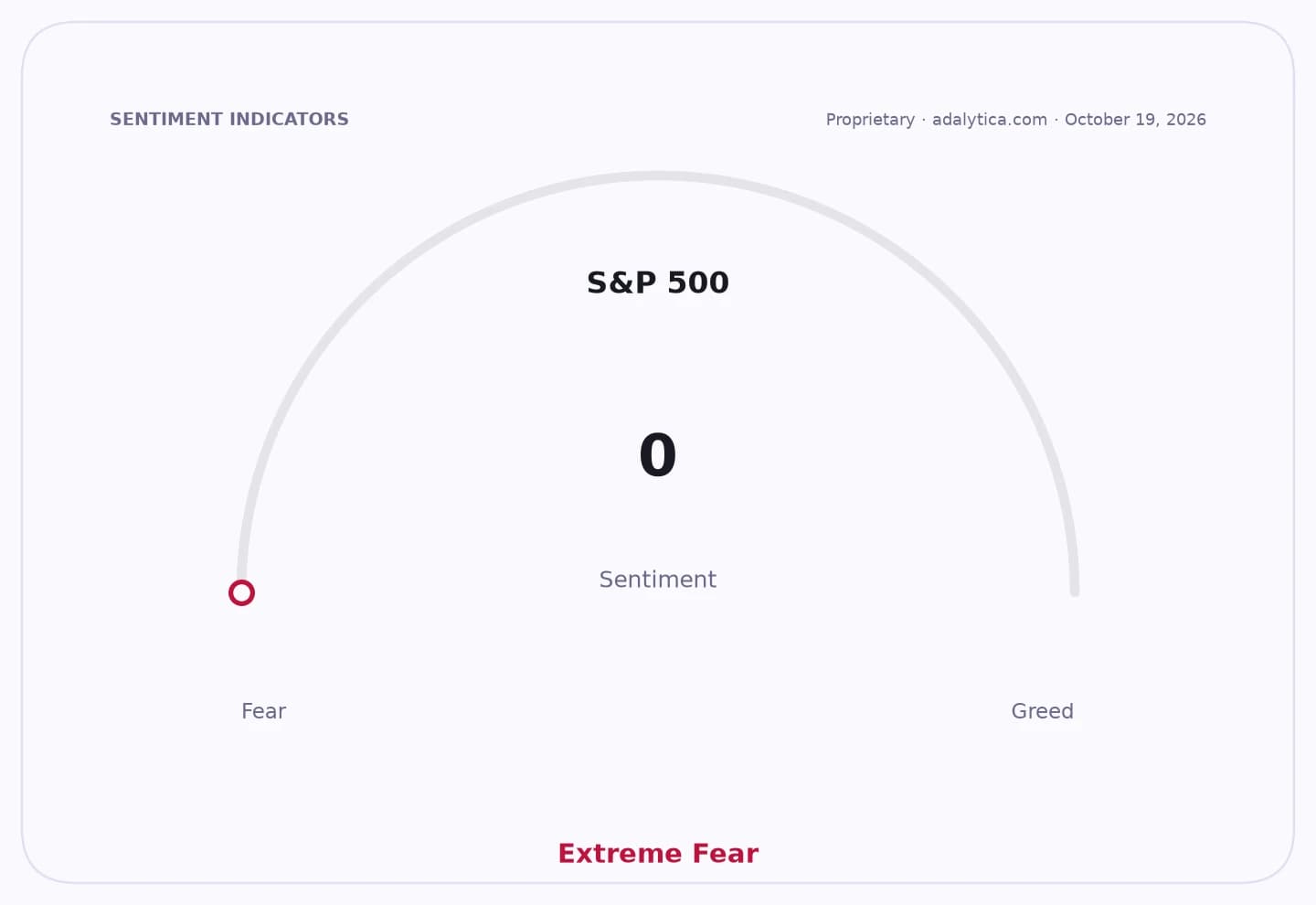
The broader retail backdrop is mixed. The SPY gauge from Adalytica shows “Extreme Fear” in the wider market, while consumer spending sentiment remains in the “Fear” zone, a sign that discretionary names still face a cautious customer. That backdrop matters for a fashion retailer with debt and limited room for error, because even modest demand softness can quickly show up in margins and liquidity.
S&P 500 vs STFSadalytica.com
Explore this data interactively — full history, time series and cross-market comparisons.Open AlphaPulse
Peers have held up better. TJX, the off-price retailer, trades near $147.38 and sits above both its 50-day and 200-day moving averages, reflecting the market’s preference for retailers with stronger traffic and more resilient cash generation. That contrast highlights the challenge for Stitch Fix: investors are rewarding balance-sheet strength and execution, not just a lower share price.
The next test is whether management can show that the debt overhang is manageable while preserving enough flexibility to fix the business. If the turnaround stalls, the stock’s sharp rebound could fade as quickly as it arrived.
| Entity | Gains | Losses |
|---|---|---|
| Stitch Fix shareholders | ▲Short-term stock rebound | ▼Balance-sheet risk and volatility |
| Creditors | ▲Debt claims on assets | ▼Higher default risk if turnaround weakens |
| TJX | ▲Relative-safe retailer premium | ▼Less upside from distress-driven trading |
| Discretionary investors | ▲Trading opportunities | ▼Exposure to weak consumer spending |