The biggest mistake retail investors keep making is not missing the next rally — it’s chasing the wrong price, at the wrong time, and then selling the right business at the wrong moment.
S&P 500 Nears Record as Fear Stays Elevated
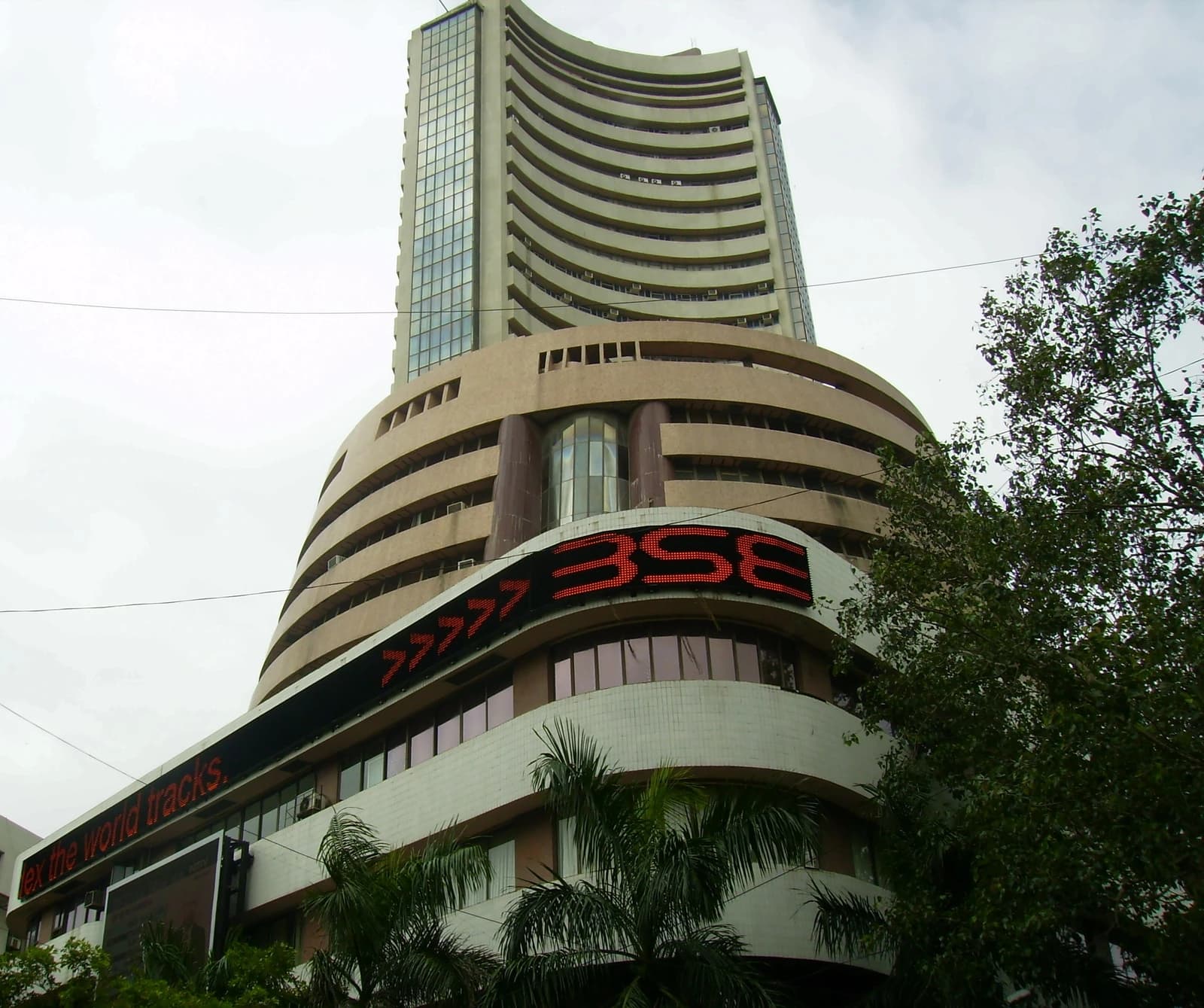
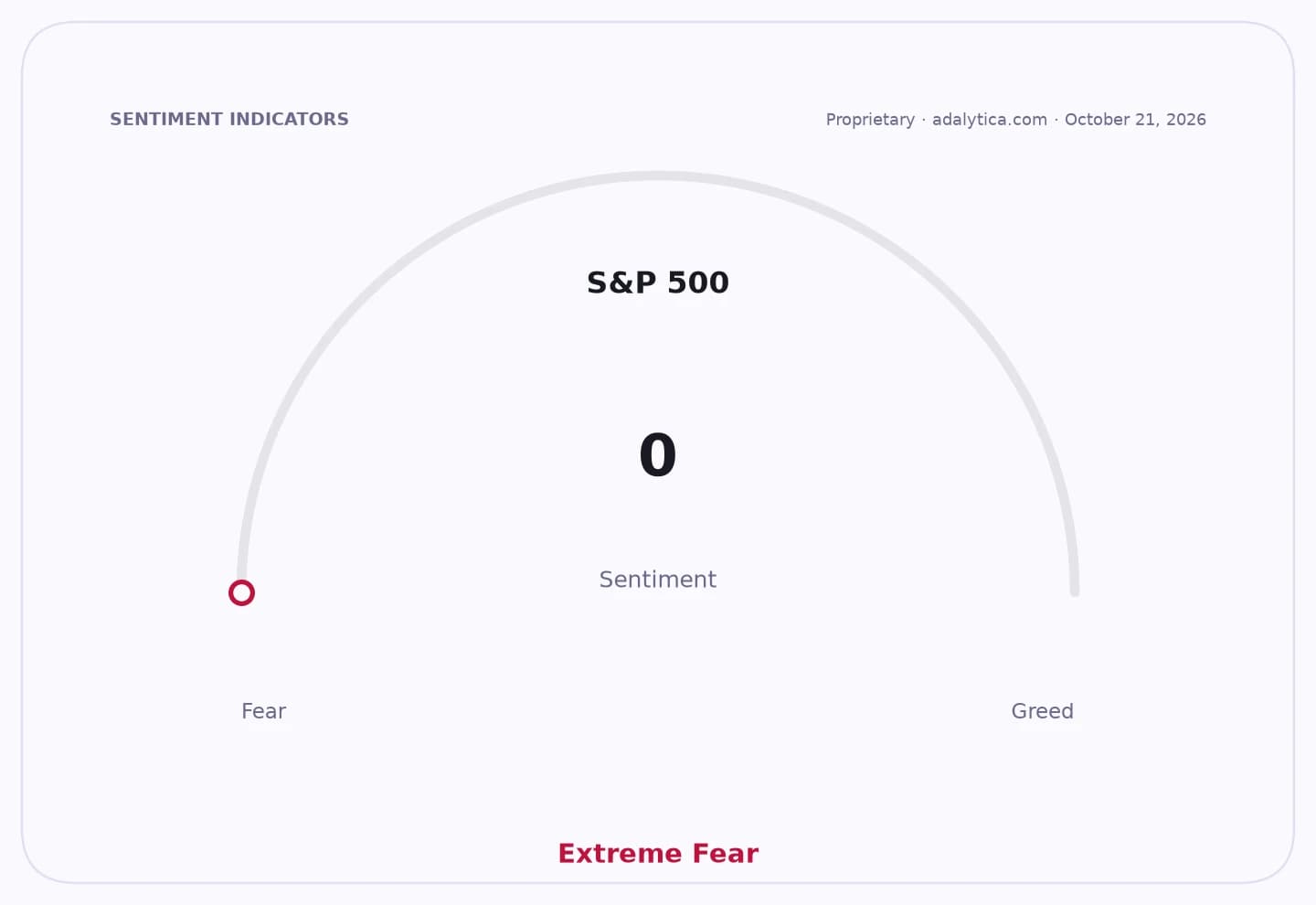
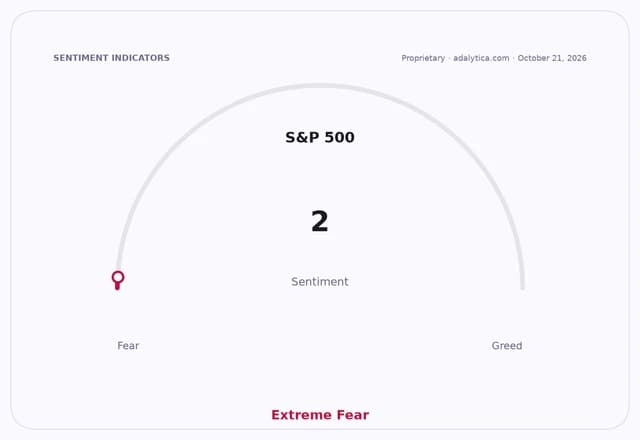
That discipline test is showing up again as global markets whip between greed and fear. In the U.S., the S&P 500 is pushing toward record territory even as Adalytica’s S&P 500 Trade Signals show “Extreme Fear” sentiment, a classic setup for emotional buying at stretched prices and panic selling on every dip. In India, the Sensex and Nifty 50 just logged a second straight weekly gain after an eight-week losing streak, while the rupee firmed and domestic institutions stepped in despite foreign selling and elevated crude. The message is the same in both markets: investors who confuse volatility with opportunity — or opportunity with safety — usually pay for it.
This is exactly why the market keeps punishing the same behavioral errors. Overpaying for momentum is the first and most expensive. When enthusiasm runs hot, as it has for AI, quality growth and index funds, investors often anchor to recent gains instead of fundamentals. The latest collapse in confidence around high-flying AI listings is a warning. Firmus’s aborted ASX debut after investors balked at valuation, and the repricing of Maas Group that followed, show how quickly the market can reject a story when the price outruns the proof. That is not a niche event; it is the same valuation discipline that eventually reaches every overheated theme.
The second mistake is panic selling after a correction, especially when the underlying trend is still intact. Retail investors tend to buy after a breakout and sell after a washout, which is the opposite of how wealth is built. The recent moves in SPY, QQQ and IWM illustrate the point. The S&P 500 ETF is trading above its 200-day moving average, while the Nasdaq-100 and Russell 2000 have also rebounded from earlier weakness. Yet the conventional technical indicators show the market is not uniformly overbought; RSI readings remain far from the euphoric extremes that usually accompany true late-cycle tops. Investors who sold into fear earlier this year missed the rebound. Those buying now need to understand the difference between a pullback and a thesis break.
S&P 500 — 30-day sentimentadalytica.com
Explore this data interactively — full history, time series and cross-market comparisons.Open AlphaPulse
A third error is ignoring liquidity and policy crosscurrents. In India, the current rally is being powered less by euphoric foreign capital than by domestic institutional buying, a firmer rupee and a rotation back into IT names. That matters because it changes who is supporting the market. Retail traders who assume every rally is broad-based and self-sustaining can get caught when foreign selling returns or crude stays elevated. The better approach is to identify where the real marginal buyer is and whether that buyer is durable.
The fourth mistake is mistaking a popular story for a durable earnings stream. AI infrastructure is a real megatrend, but not every “AI company” deserves a premium. The market underestimates how fast capex, compute and financing costs can compress valuations when revenue visibility is weak. That is why the winners in this cycle are often the toll-road businesses — chips, power, networking, data centers, utilities and select infrastructure owners — rather than the pure storytellers. If Firmus can’t clear the market on valuation, that is not a setback for AI as a theme. It is a reminder that the market is moving from narrative pricing to cash-flow pricing.
The fifth mistake is using leverage or concentrated bets to “make up” for missed gains. Retail investors often double down after a strong run, convinced they are early. In reality, they are often late to the trade and early to the risk. The current market environment — with fear still elevated in places, but major indices stabilizing — rewards patience, not heroics. If you want exposure, scale into broad ETFs like SPY or QQQ rather than trying to catch every intraday move. If you want more torque, IWM can work, but only as part of a diversified strategy, not as a one-way bet on small caps.
The sixth mistake is treating macro as background noise. It isn’t. Brent crude near $105 a barrel is a direct tax on consumers and margins, while a firmer rupee can cushion imported inflation. When energy is sticky and currencies move, earnings estimates move too. Investors who ignore these second-order effects end up buying into profit downgrades they never modeled.
The seventh mistake is following awareness, not sentiment. Adalytica’s S&P 500 Trade Signals show awareness still elevated even as sentiment sits in “Extreme Fear.” That combination is dangerous for retail investors because it often means people know what is happening, but are emotionally unprepared to act rationally. That is when they buy the story at the top and sell the asset at the bottom.
The opportunity, for investors willing to be contrarian, is to own the businesses and funds that benefit from structural demand while avoiding the names where valuation has run far ahead of execution. In practice, that means leaning toward AI infrastructure, data-center supply chains, power, semis, and diversified index exposure, while staying disciplined on speculative IPOs and headline-driven momentum trades.
| Entity | Gains | Losses |
|---|---|---|
| Disciplined long-term investors | ▲Buy quality on dips | ▼Miss speculative spikes |
| AI infrastructure leaders | ▲Get real capital inflows | ▼Lose valuation premium |
| Speculative IPOs | ▲Nothing from disciplined capital | ▼Higher bar for valuation |
| Retail momentum traders | ▲Short-term upside | ▼Biggest drawdowns |