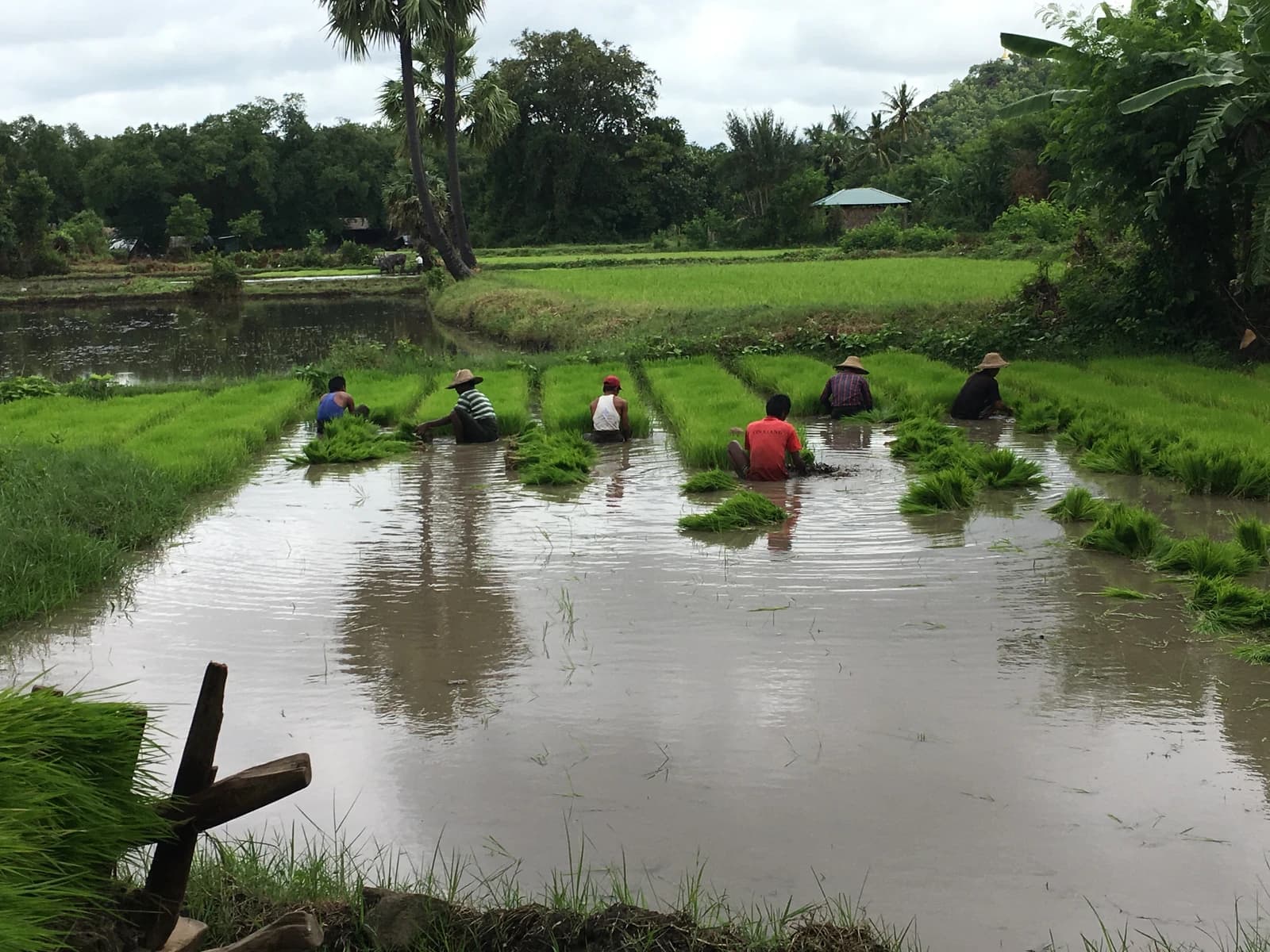
Tray-free simplified rice seedling raising technology using biodegradable biomass film is gaining economic relevance as rice-producing nations look for cheaper ways to lift yields, reduce import dependence and protect farm margins.
Rice Seedling Tech Gains Food-Security Relevance
The pressure is visible in Honduras, where authorities have committed L5 million to a pilot project using certified seed and genetic material to revive domestic rice production. The investment is small in fiscal terms but significant for a sector where seed quality, transplanting costs and yield stability can determine whether local growers compete with imported grain.
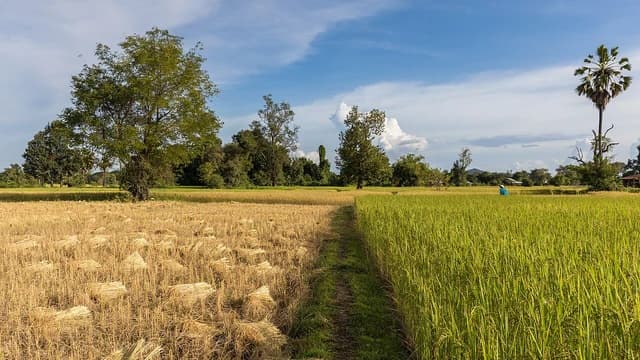
For policymakers, the appeal of tray-free and biodegradable biomass-film seedling systems lies in their potential to simplify nursery management, cut plastic waste and lower labor requirements while supporting more uniform plant establishment. If those gains translate into higher grain yield and stronger yield components — such as panicle number, filled grains and seedling vigor — the technology could become part of a broader food-security toolkit for countries trying to rebuild domestic supply chains.
Rice markets are already reflecting tighter attention to supply. Rough rice futures closed at $13.35 on July 10, up about 42% from $9.40 at the start of January, and remained above both the 50-day and 200-day moving averages, according to market data. Conventional technical indicators also show a stretched market: the 14-day RSI stood at 73.8, a level traders often read as overbought, even as prices held near the upper end of their recent Bollinger Band range.
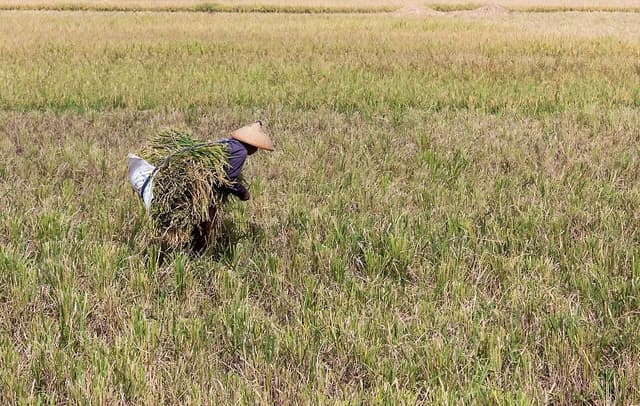
The rally matters beyond rice. Agricultural commodity exposure has strengthened, with the Invesco DB Agriculture Fund closing at $27.77 on July 10, above its 50-day and 200-day moving averages. The VanEck Agribusiness ETF ended at $80.97, also above those trend levels. That suggests investors are not only pricing rice-specific supply concerns, but also a wider bid for agricultural productivity, inputs and food-security themes.
The policy backdrop is reinforcing that trade. In Senegal, imported rice has saturated the market, leaving stocks in mills and forcing government intervention. That illustrates the bind facing many governments: imports can ease consumer prices in the short term, but they can also weaken domestic producers and discourage planting if local mills and farmers cannot clear inventories.
Honduras’s pilot investment points in the opposite direction — an effort to strengthen local production capacity rather than rely more heavily on external supply. Certified seed, improved genetic material and simplified seedling systems all target the same economic bottleneck: raising output per hectare without sharply increasing costs.
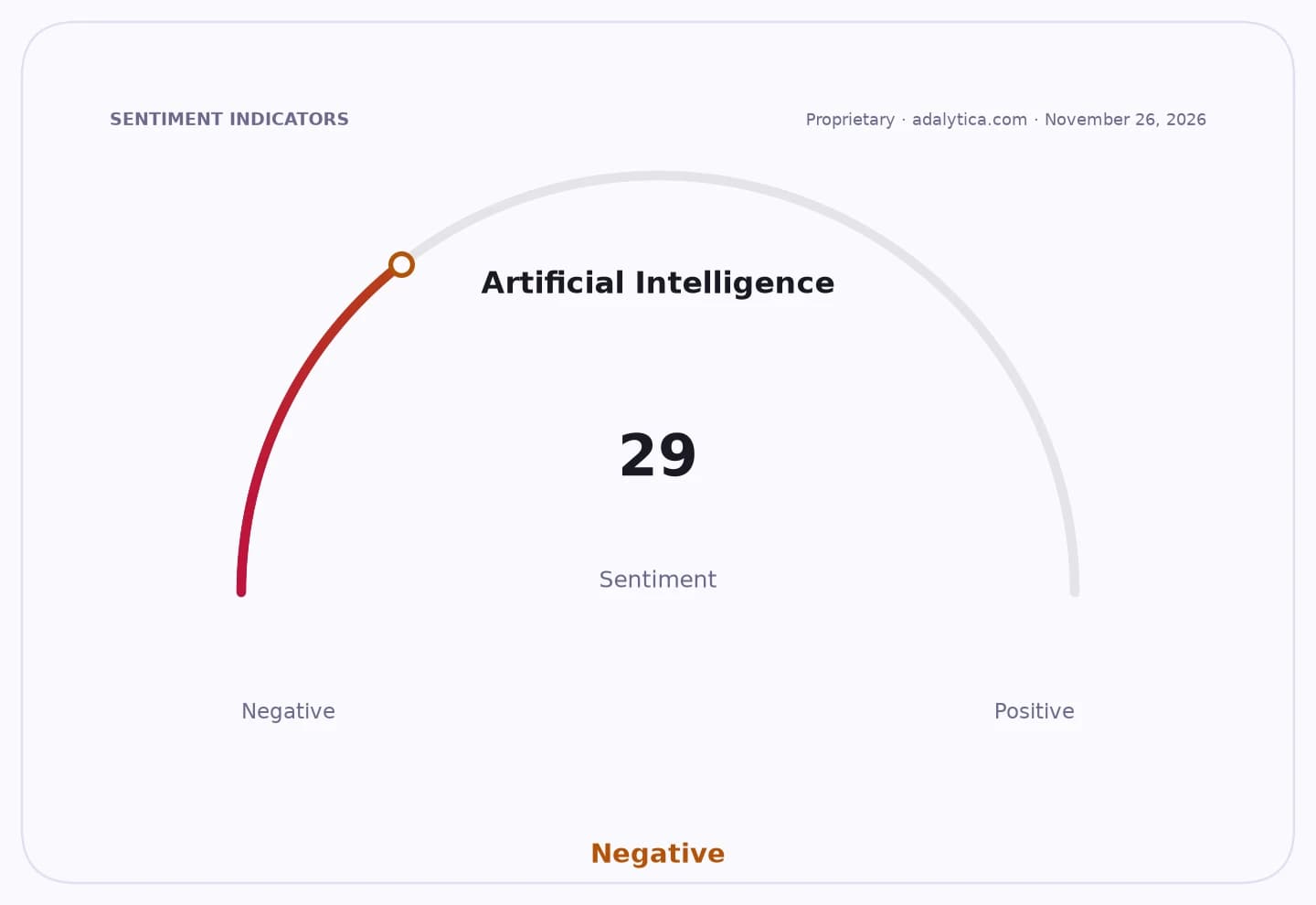
Investor interest will depend on whether these technologies show measurable yield gains at scale. A modestly positive proprietary sentiment reading of 0.25 from Adalytica.com suggests the market narrative is constructive but not euphoric. The next test is whether pilot programs can move from demonstration plots to commercial adoption, especially in countries where rice import bills, farmer incomes and food-price stability are politically sensitive.
If tray-free biodegradable biomass-film seedling systems can improve grain yield while lowering nursery and transplanting costs, they could shift value toward domestic growers, seed suppliers and agritech firms. If they fail to scale, governments will remain exposed to the same cycle of import dependence, weak farm profitability and recurring food-security intervention.
| Entity | Gains | Losses |
|---|---|---|
| Domestic rice growers | ▲Higher yield potential | ▼Import competition |
| Agritech and seed suppliers | ▲New adoption demand | ▼Slow pilot scaling |
| Rice importers | ▲Policy-driven uncertainty | ▼Local production push |
| Consumers | ▲Better long-term supply security | ▼Near-term price volatility |