Ripple’s plan to use RLUSD as a companion to XRP is designed to deepen the token’s role in payments and liquidity flows at a time when the market is still pricing in whether real-world utility can offset weak technical momentum.
Ripple RLUSD and XRP adoption question

A new document says RLUSD is intended to complement XRP rather than compete with it, a framing that matters because the stablecoin is being positioned as a transactional layer that could expand usage across Ripple’s network instead of diverting activity away from the native token. For investors, that is the key question: whether Ripple can turn stablecoin adoption into incremental demand for XRP, or whether RLUSD simply absorbs volume that might otherwise have accrued to the asset.
The stakes are economic as much as they are strategic. Stablecoins have become the most commercially viable on-chain product in crypto, with banks, payment firms and card networks increasingly moving into the space. That shift gives Ripple a clearer route to enterprise adoption, but it also raises the bar for XRP’s investment case. If RLUSD helps lower settlement friction and widens the addressable market for Ripple’s payments stack, it could reinforce the network effects around XRP. If it becomes the preferred settlement asset, the token’s value proposition could be diluted.
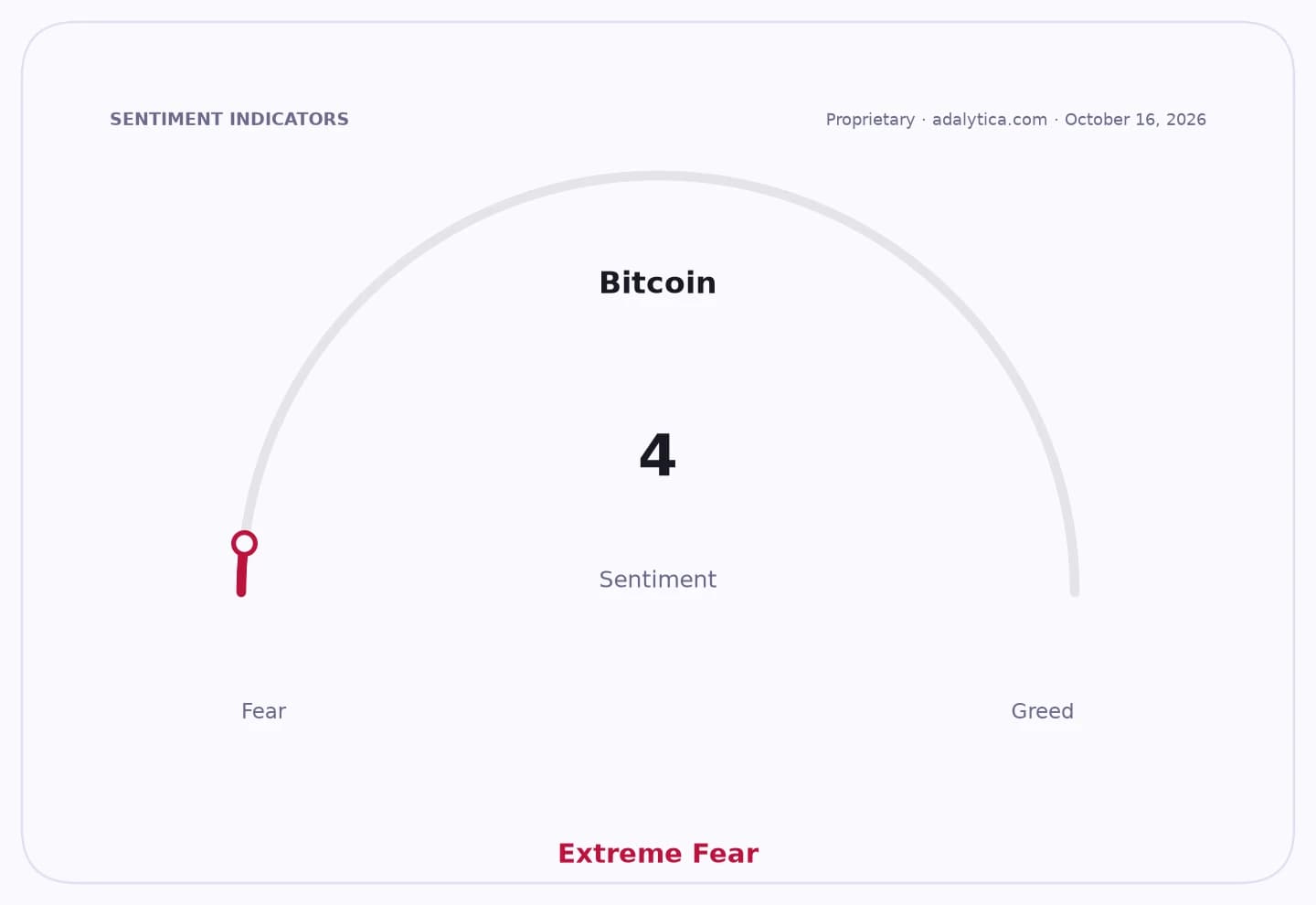
Market pricing suggests caution. XRP was trading at $1.34 on Oct. 21, roughly 5% above its recent Oct. 18 low of $1.30, but still below its 50-day moving average of $1.41 and close to its 200-day average of $1.28. RSI readings of 28.2 indicate the token remains in technically oversold territory, while the MACD is still negative, suggesting momentum has yet to turn decisively higher. That combination points to a market that is waiting for evidence of adoption rather than trading on narrative alone.
The broader backdrop is mixed. Crypto investors remain alert to security issues around the XRP ecosystem, including recent warnings about scams and a critical bug patch on the XRP Ledger, even as transaction activity continues and institutions deepen their involvement with digital assets. At the same time, larger financial players such as JPMorgan and Mastercard are advancing stablecoin projects, increasing competitive pressure on Ripple to prove that RLUSD can win usage in a crowded field.
For investors, the central issue is whether Ripple can translate a stablecoin launch into a larger, more durable payments franchise without weakening XRP’s role inside it. The bullish case is that RLUSD expands the network, increases transaction volume and drives more demand for XRP-based liquidity. The bearish case is that a successful stablecoin becomes the main event, leaving XRP as a supporting asset with less direct upside than bulls expect. The next phase of adoption will determine which version of the story takes hold.
| Entity | Gains | Losses |
|---|---|---|
| Ripple / RLUSD | ▲Broader payment adoption | ▼Execution risk |
| XRP holders | ▲More network utility | ▼Potential dilution |
| Banks and payment firms | ▲Lower settlement friction | ▼Higher competition |
| Stablecoin rivals | ▲None | ▼Share of enterprise flows |