Romania’s main stock market was hit by a severe liquidity shock on Thursday, with the BVB-linked ROM fund plunging 68.9% to 34.74 and trading volume surging as investors rushed for the exits. The move was not just a price drop; it was a market structure event that shows how quickly thinly traded markets can unravel when selling meets no meaningful bid.
Romania ROM fund plunges 68.9% on liquidity shock
That matters because the Bucharest market sits at the intersection of local savings, foreign portfolio flows and emerging-market confidence. A collapse of this size can freeze risk appetite well beyond one security, especially when it comes with a jump in turnover that suggests forced selling rather than orderly profit-taking. For investors, the message is blunt: liquidity is the risk until proven otherwise.
Sentiment Indicators
The ROM fund had been trading around 140 to 158 in recent months, well above its 50-day moving average, before the latest rout wiped out most of that value in a single session. Technical damage is now extreme. The fund finished far below its 50-day average of 140.58, with a relative strength index of 15.9 — a level that typically reflects deeply oversold conditions — while the MACD has turned sharply negative. That combination usually marks capitulation, but it can also signal a market where pricing has become detached from fundamentals because there are too few natural buyers.
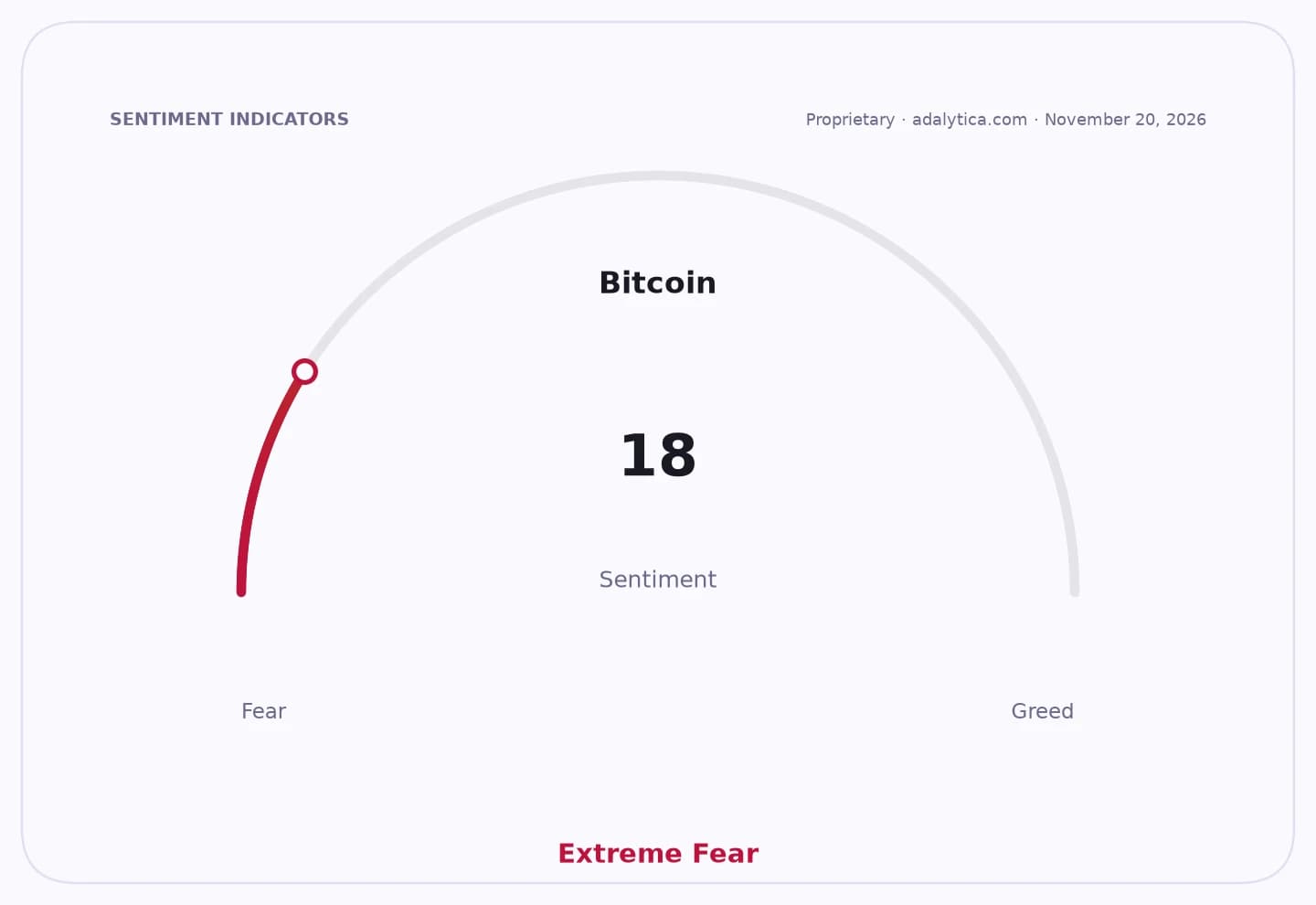
The selloff also came against a fragile backdrop in global risk assets. The S&P 500 was already flashing “Extreme Fear” in Adalytica trade signals, while the dollar was also in “Extreme Fear” territory, underscoring a broader hesitation around risk and capital allocation. In Europe, the iShares MSCI Europe Financials ETF, EUFN, slipped to 37.48, reinforcing the sense that investors are trimming exposure across regional financial assets rather than rotating into them.
For Romania, that means the immediate pain is not only on the chart. When volumes collapse and prices gap violently lower, it raises questions about market depth, index tracking, and how quickly international investors can exit when sentiment turns. That can widen financing discounts for domestic issuers, punish passive products and make follow-on capital raising more expensive.
The bigger investment takeaway is that this is exactly the kind of dislocation where the market overreacts first and reprices later. If the move reflects a forced liquidation or a technical unwind, the eventual rebound could be sharp — but only after liquidity normalizes. Until then, investors should avoid catching the falling knife in Romanian equities and watch for stabilization in turnover, not just price. The first opportunity will likely belong to buyers who can wait for panic to exhaust itself.
| Entity | Gains | Losses |
|---|---|---|
| Short sellers | ▲Gains from forced selling | ▼Risk of a snapback |
| Bargain hunters | ▲Can buy distressed exposure | ▼Face further volatility |
| Romanian equities/BVB | ▲Potentially clearer capitulation | ▼Reputation, liquidity and confidence |
| Existing holders | ▲May benefit from rebound if panic fades | ▼Heavy mark-to-market losses |