Central European currencies came under heavy selling pressure as a sharp deterioration in global risk sentiment pushed the Hungarian forint and Polish zloty to their weakest levels in months, while the Czech koruna held up better on a thin domestic calendar.
Forint, zloty fall to months-low vs euro

The move matters because the forint and zloty are among the region’s most liquid proxies for investors’ appetite for risk across emerging Europe. When equities fall and volatility rises, those currencies typically absorb the first wave of selling, tightening financial conditions for households, companies and governments that borrow or trade across borders. On Thursday, the forint weakened beyond 372 to the euro, its softest level since April 10, while the zloty slid to almost 4.44 per euro, a three-year low. The koruna also slipped above 24.40 per euro, but its losses were noticeably smaller.
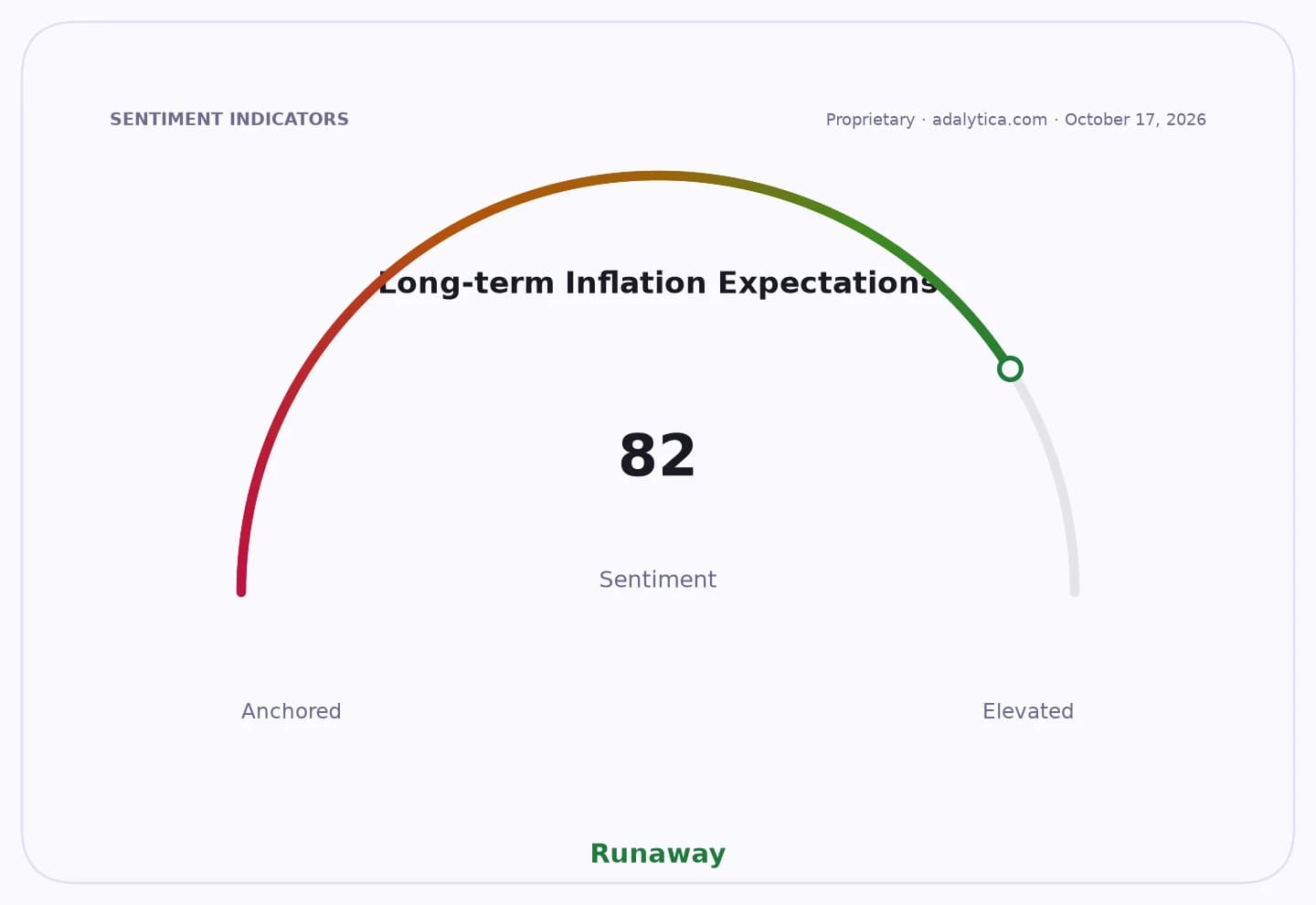
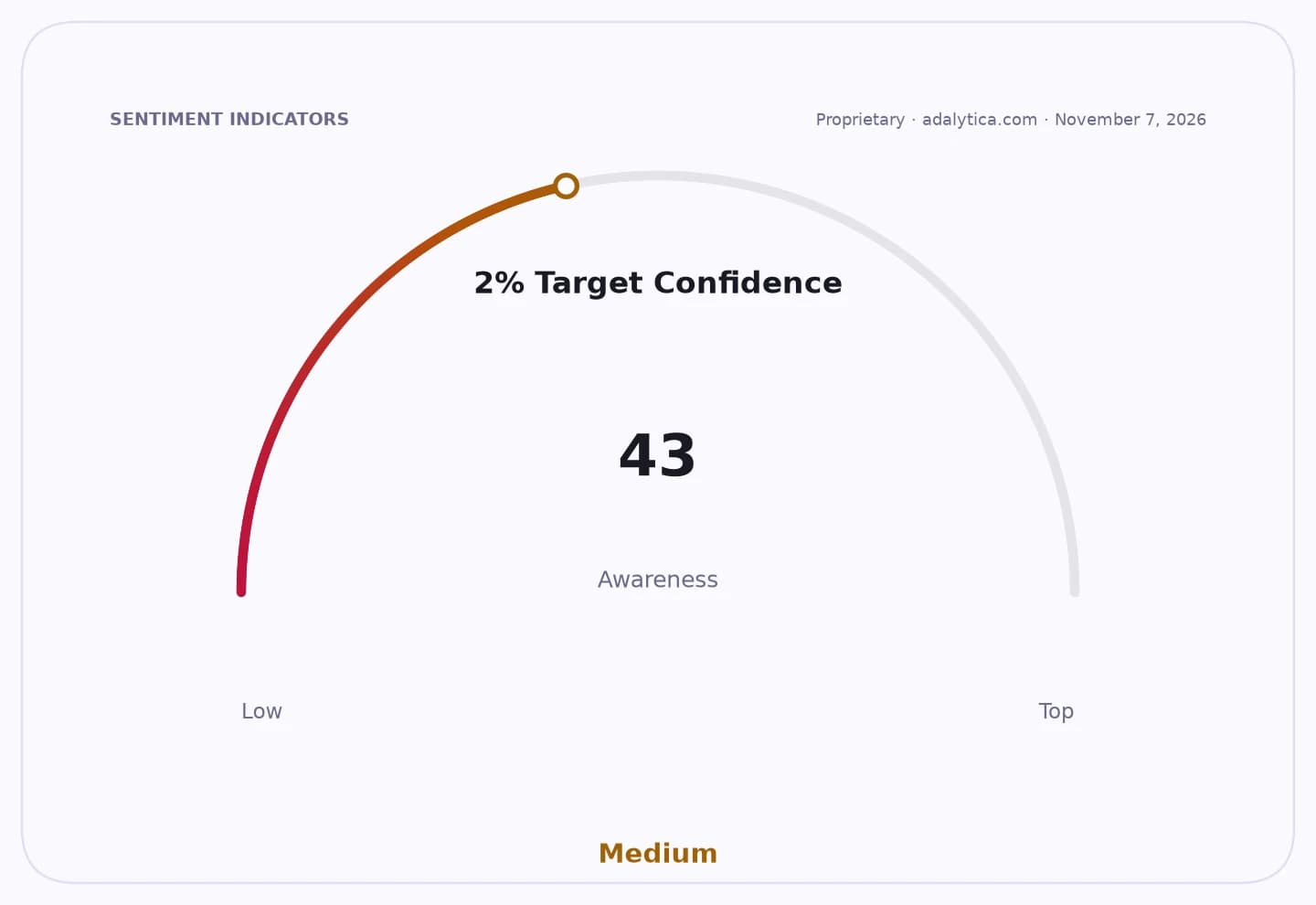
Sentiment Indicators
The common driver was not a domestic macro shock but a broad re-pricing of risk assets. Global stock markets sold off sharply, reinforcing demand for the dollar and leaving investors reluctant to hold higher-beta currencies. That dynamic was visible across FX markets: the euro-dollar pair stabilized around 1.098-1.101, while the dollar’s broader appeal remained intact even as its latest advance slowed. Adalytica.com’s US dollar trade signals showed sentiment still in “extreme fear” territory, while FX volatility signals pointed to elevated caution.
For Hungary and Poland, the selloff is economically significant because weaker currencies can feed imported inflation just as policymakers are trying to assess the durability of price pressures and growth. That is especially sensitive in an environment where Europe is still dealing with elevated energy costs and tighter financing conditions. A persistently soft forint or zloty can also complicate central bank communication by raising the risk that currency depreciation offsets any easing in headline inflation.
The Czech koruna’s relative resilience reflects its smaller sensitivity to the latest move in global risk appetite and the absence of domestic catalysts, but it is not immune. Traders said further losses in risk assets could still drag the koruna toward 24.50 per euro. That would leave all three major Central European currencies under pressure from the same source: a market that is repricing the cost of holding risk.
The next test will come from today’s German producer price data, euro zone consumer confidence and US inflation-expectations readings from the University of Michigan. Stronger-than-expected US inflation expectations would likely keep the dollar firm and prolong the pressure on the region’s currencies, while any stabilization in equities could allow HUF and PLN to recover some of the recent losses.
| Entity | Gains | Losses |
|---|---|---|
| US dollar | ▲Safe-haven demand | ▼Central European currencies |
| Hungarian forint | ▲— | ▼Exporters with foreign debt |
| Polish zloty | ▲— | ▼Importers and FX borrowers |
| Czech koruna | ▲Relative resilience | ▼Risk-sensitive traders |