Romania’s government has begun topping up educational cards with 500 lei each for low-income families, a transfer that directly supports back-to-school spending and is meant to soften the pressure of inflation on household budgets.
Romania tops up school aid cards with 500 lei
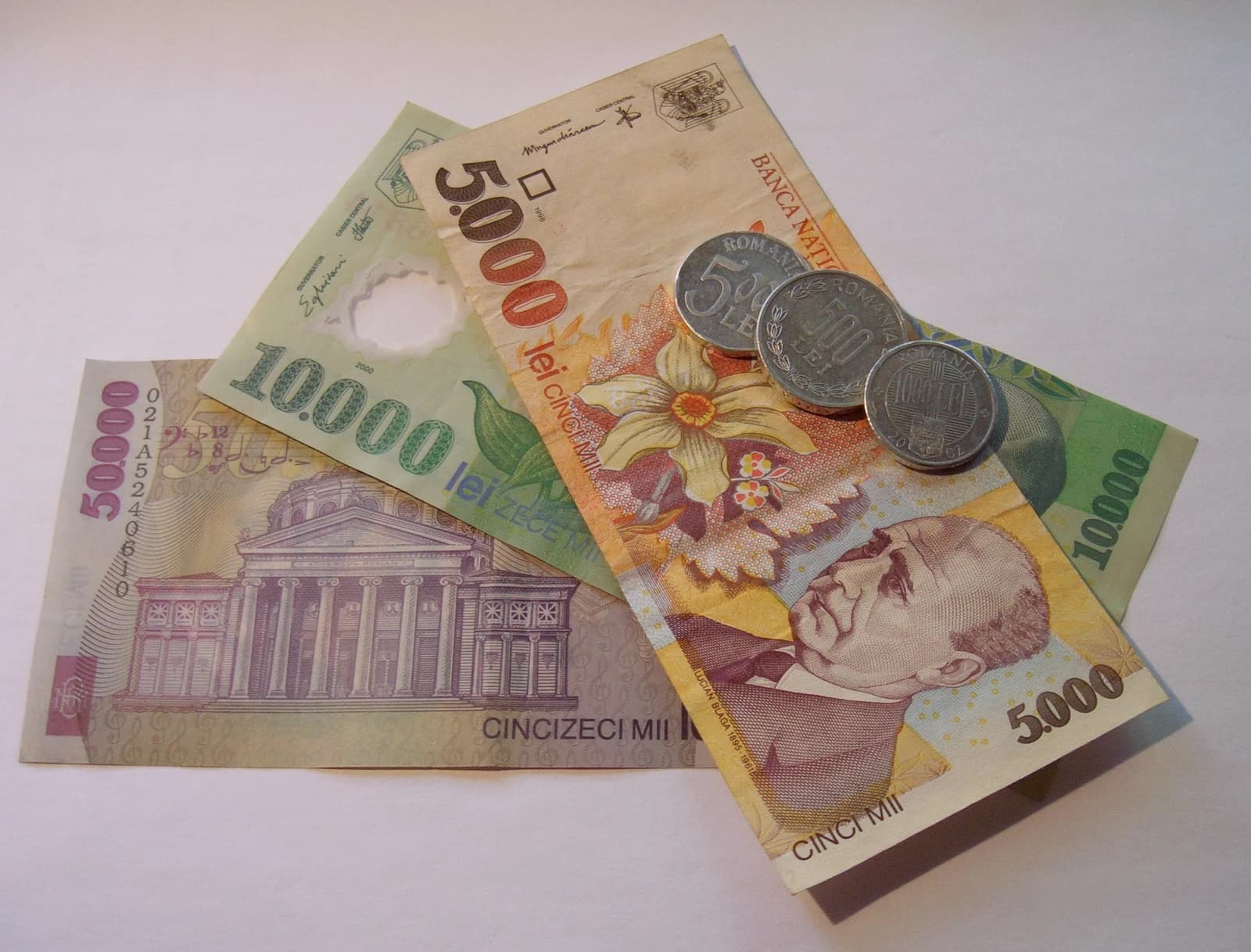
The Ministry of Investments and European Projects said 545,007 cards are being funded in this round, worth more than 272.5 million lei in total, with another 125,899 new cards issued for children who have recently entered the program. The aid is aimed at preschool children and pupils from disadvantaged families and can be spent only on school supplies and clothing needed for classes.
The payment matters economically because it is targeted fiscal support rather than a broad cash transfer. In practice, that makes the scheme more efficient at easing immediate consumption constraints while limiting leakage into other spending categories. For families living close to the margin, 500 lei can cover part of the seasonal expense spike that comes with the start of the school year, reducing the risk that children miss classes because of missing supplies or proper clothing.
The funds are being credited in stages, not all at once. MIPE said the top-ups began on Nov. 20 for beneficiaries whose eligibility remains unchanged and whose school delivery confirmations have already been registered in Romania’s integrated education system. New cardholders will receive the money later, once schools confirm handover of the cards, while some cases flagged by eligibility checks will be resolved during the 2026-2027 school year.
That staggered rollout matters for both households and merchants. It means spending will land in waves rather than in a single burst, which should smooth demand for retailers selling stationery, backpacks and children’s clothing. For the broader economy, the program is modest in size, but it still channels public money into basic consumption at a time when lower-income households are more sensitive to prices and credit conditions.
The money can be spent until Aug. 31, 2027, giving families a long window to use the aid, though the restriction to school-related goods keeps the economic impact tightly focused. The program is financed through the Inclusion and Social Dignity Program 2021-2027, underscoring its role as a social-policy tool rather than a one-off emergency measure.
For investors, the direct read-through is limited but not irrelevant. Retailers exposed to back-to-school purchases, discount apparel and mass-market school supplies may see a small lift in volumes, while the program reinforces the resilience of basic consumer spending in lower-income segments. The broader message is that Romania is still using EU-backed welfare transfers to cushion vulnerable households, a sign that social support remains part of the policy mix even as public budgets face pressure.
Bull case: the aid preserves spending power for households most likely to cut essentials, supporting demand at the lower end of retail. Bear case: the effect is narrow, delayed and capped, so it does little to change the wider consumption picture if inflation or income stress persists.
| Entity | Gains | Losses |
|---|---|---|
| Low-income families | ▲Back-to-school purchasing power | ▼Less budget flexibility |
| School-supply retailers | ▲Higher seasonal demand | ▼Smaller discretionary spending elsewhere |
| Romanian state/EU program | ▲Better-targeted social support | ▼Fiscal outlay of 272.5 million lei |
| Unassisted households | ▲Little direct benefit | ▼Relative purchase pressure stays high |