Romania is spending too little on social assistance, Labor Minister Florin Manole said, arguing that the country’s lean welfare bill is leaving children, families and people with disabilities with less support than they need.
Romania Labor Minister Presses for Higher Social Aid
The warning matters because social protection is not just a budget line in Bucharest: it is a measure of how much of the country’s growth reaches households that are still struggling with poverty and inequality. Manole said Romania has one of the lowest social assistance expenditures in the European Union, and he pressed for more fiscal room to bring spending closer to the European average rather than cutting benefits to meet consolidation targets.
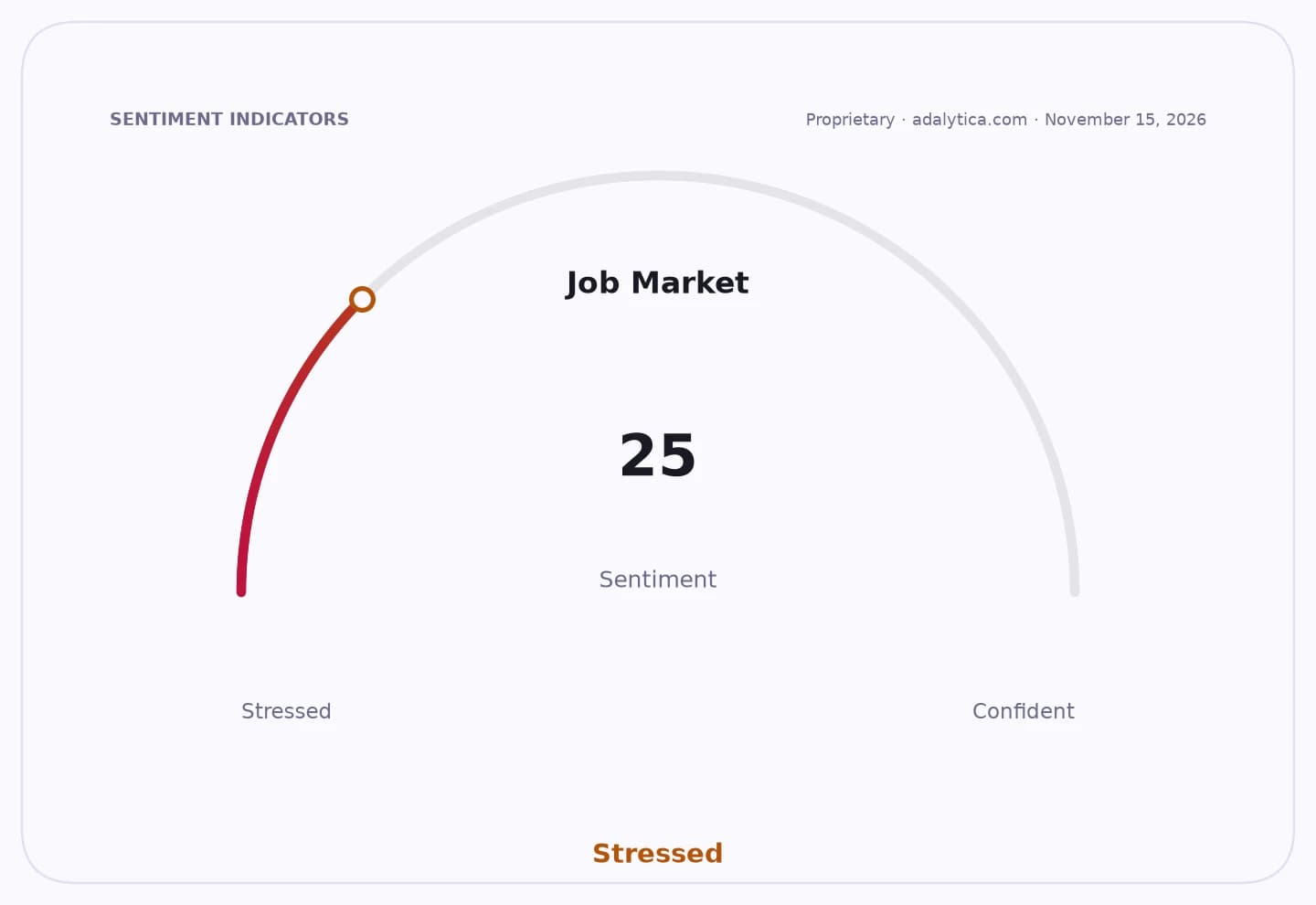
Sentiment Indicators
For investors, the message is that fiscal policy in Romania may face growing pressure to protect social spending even as the government tries to rein in deficits. That can complicate budget planning, especially if lawmakers are asked to fund higher transfers, more staff in social services and better child-protection programs without relying on spending cuts elsewhere.
Manole tied the issue directly to concrete policy gaps, saying underfunding means fewer services, fewer benefits and weaker support for vulnerable groups. He also argued that any strategy on child protection and anti-violence measures will fail without money behind it, and said the welfare and education systems are linked because both shape outcomes for children in poor and rural communities.
The minister pointed to a fight over raising benefits for disabled children from 80 lei to 190 lei, and said even boosting the nursery voucher for the poorest families has been hard to secure. He also criticized fiscal consolidation policies that rely on reducing social spending instead of improving tax collection and structural reforms.
Romania’s economy has expanded sharply over the past decades, but Manole said the gains have not been shared evenly. He said he worked in the fields from age 13 and walked about 10 kilometers to school, using his own background to underline the divide between macroeconomic progress and the lived experience of poorer households.
The next test is the 2027 budget cycle, where the government will have to decide whether social assistance and education get closer to the funding levels of richer EU peers or remain constrained by deficit-cutting priorities.
| Entity | Gains | Losses |
|---|---|---|
| Vulnerable families | ▲Higher support if funding rises | ▼Fewer services under current spending |
| Romanian welfare system | ▲More resources and staffing | ▼Chronic underfunding and gaps |
| Government budget hawks | ▲Lower spending in the short term | ▼Political pressure for higher transfers |
| Children with disabilities | ▲Bigger benefits and protection | ▼Delayed or limited aid |