A new Romanian bill from the Save Romania Union would give young workers monthly rent support and a 50% discount on public transport, a move aimed at easing one of the biggest drags on wages: the cost of simply getting to work and keeping a roof over your head.
Romania bill would aid young workers with rent
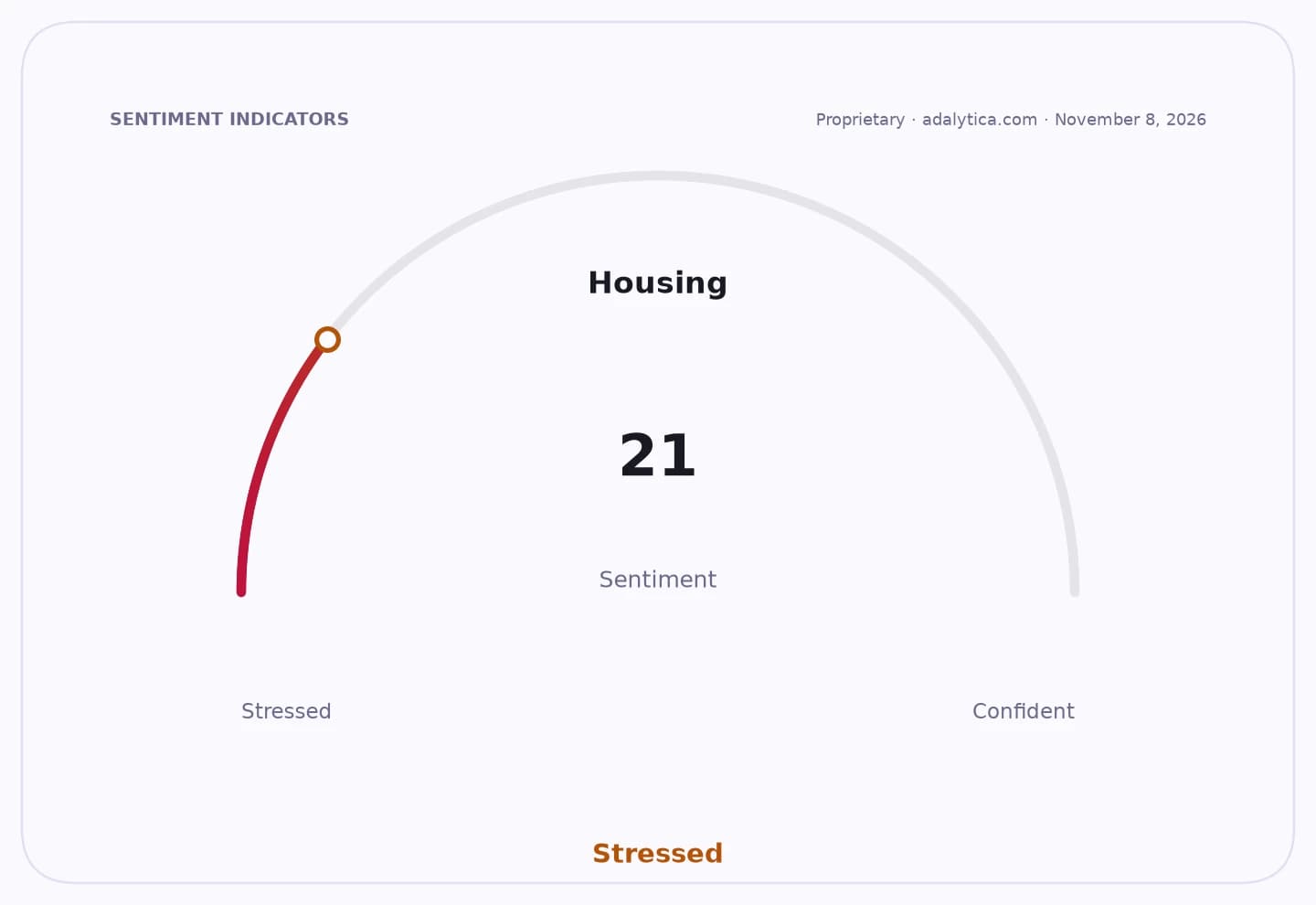
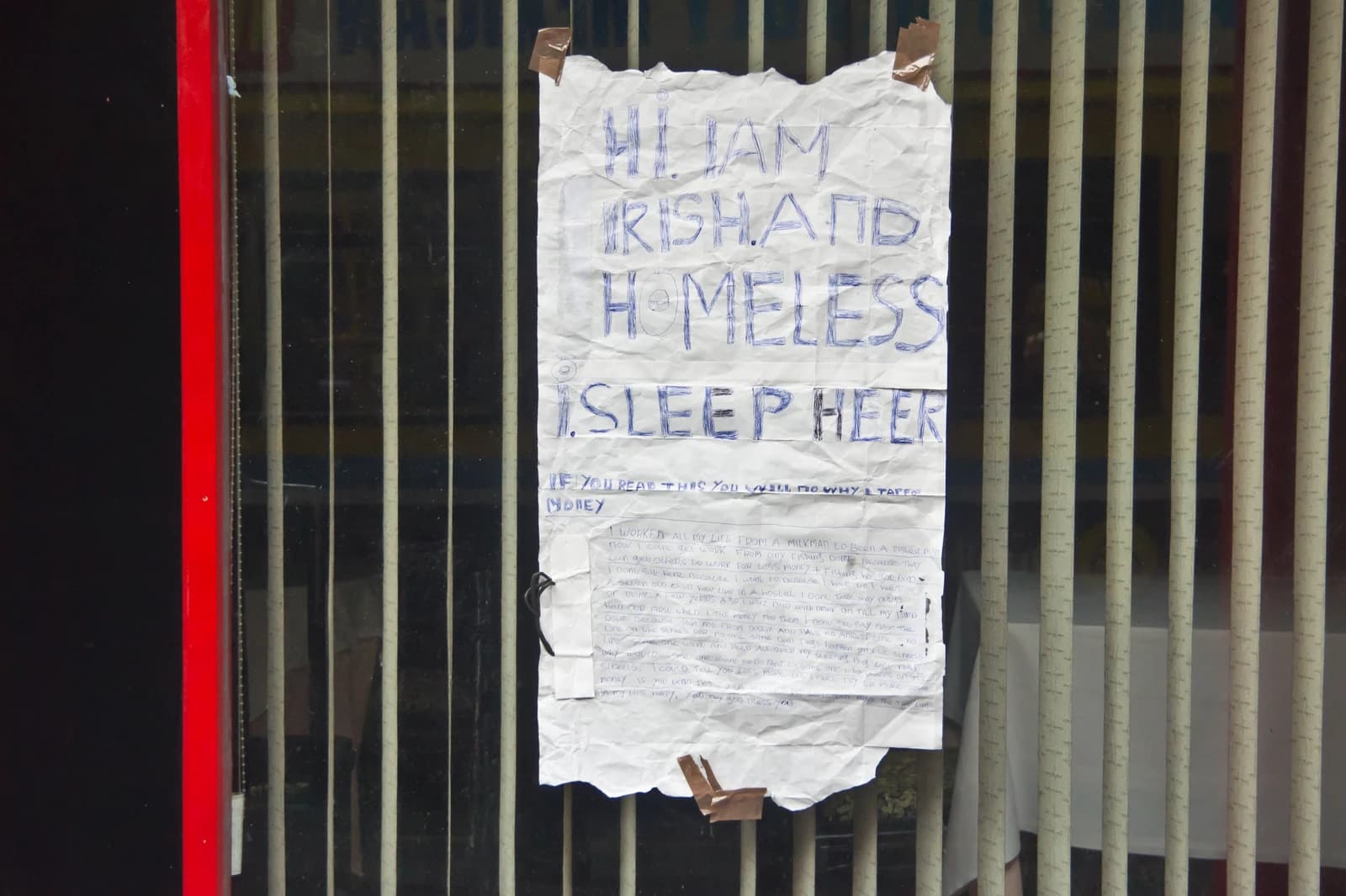
That matters because housing and commuting costs are often the first expenses to squeeze younger households, especially those just entering the labor market. Under the proposal, the aid would apply to people aged 18 to 29 with monthly income of up to 4,000 lei and could last as long as 36 months. In a country where inflation has already taken a real bite out of household budgets, any policy that lowers fixed costs can improve labor participation, job mobility and disposable income.
Sentiment Indicators
Investors should care because affordability policy is never just a social issue. It can shape consumer spending, rental demand and transport usage, while also influencing broader expectations for fiscal support and political pressure around living costs. The proposal lands against a backdrop of stubborn price growth and a labor market that remains tight enough to keep unemployment low by historical standards. That combination tends to keep policymakers focused on helping workers stretch paychecks rather than on stimulating demand from scratch.
For landlords and property owners, the measure could be supportive at the margin if it helps more young tenants meet rent obligations. For transit operators, a mandated discount could lift ridership, though it would likely need public funding to make the math work. The bigger picture is that governments across Europe are still searching for ways to offset the housing squeeze without directly freezing market prices.
For long-term investors, the key takeaway is simple: policies that improve affordability can support economic stability, but they rarely solve the underlying housing shortage on their own. If this bill advances, it would be worth watching for the budgetary trade-offs, the design of the subsidy and whether it becomes a template for broader housing relief. For now, it is a constructive signal for young workers and a reminder that the affordability debate remains a powerful force in politics and markets alike.
| Entity | Gains | Losses |
|---|---|---|
| Young workers | ▲Lower rent and commute costs | ▼Less disposable income pressure |
| Landlords | ▲Better tenant affordability | ▼Less urgency to cut rents |
| Public transit operators | ▲Higher ridership potential | ▼Fare revenue per rider |
| Romanian budget | ▲Political goodwill | ▼Higher spending burden |