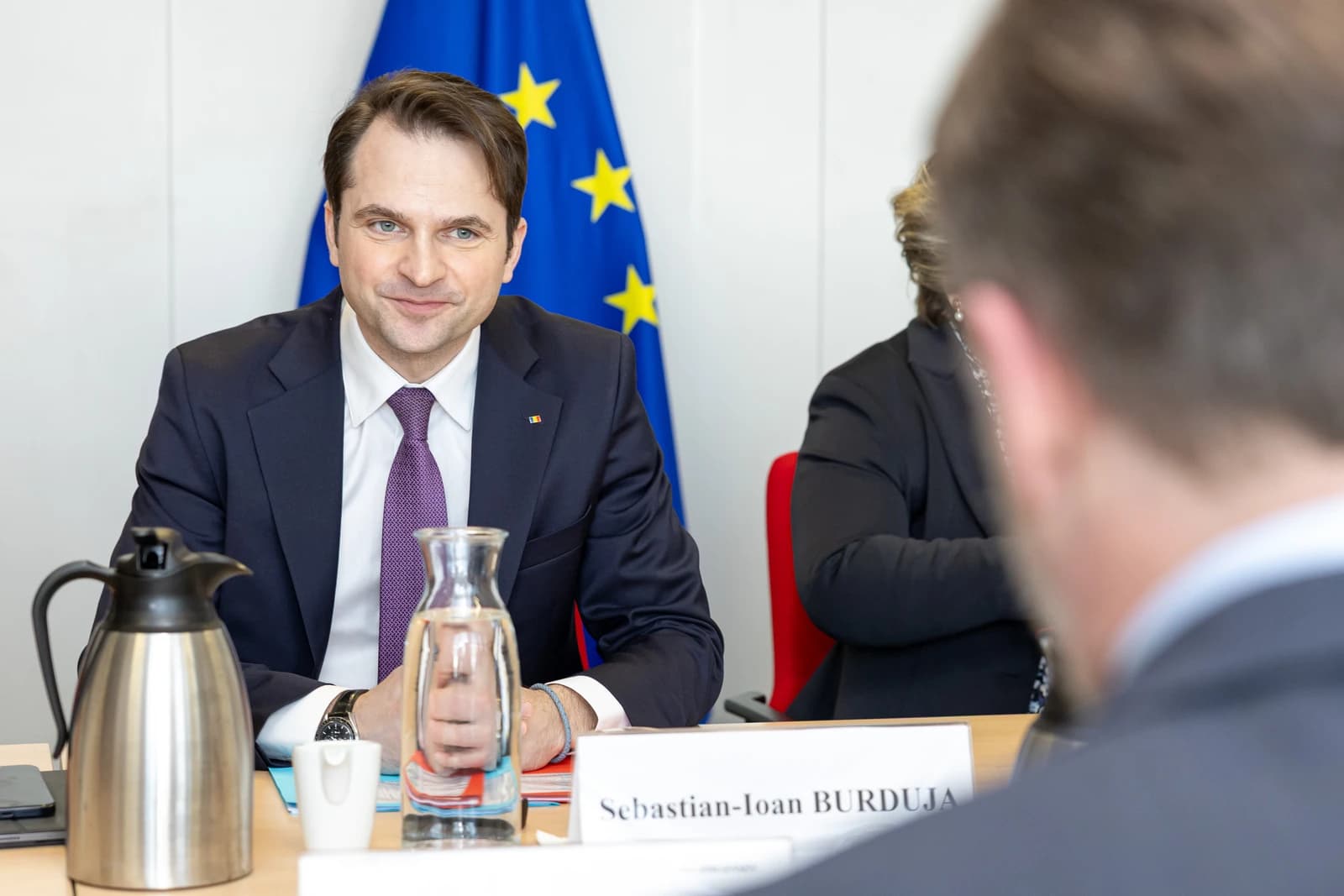
Romania’s energy minister said he intends to extend support for household natural gas consumers past April 1, signaling that Bucharest is not yet ready to let retail gas prices fully absorb market forces after a winter of regulatory protection.
Romania Plans Gas Support Extension Past April 1
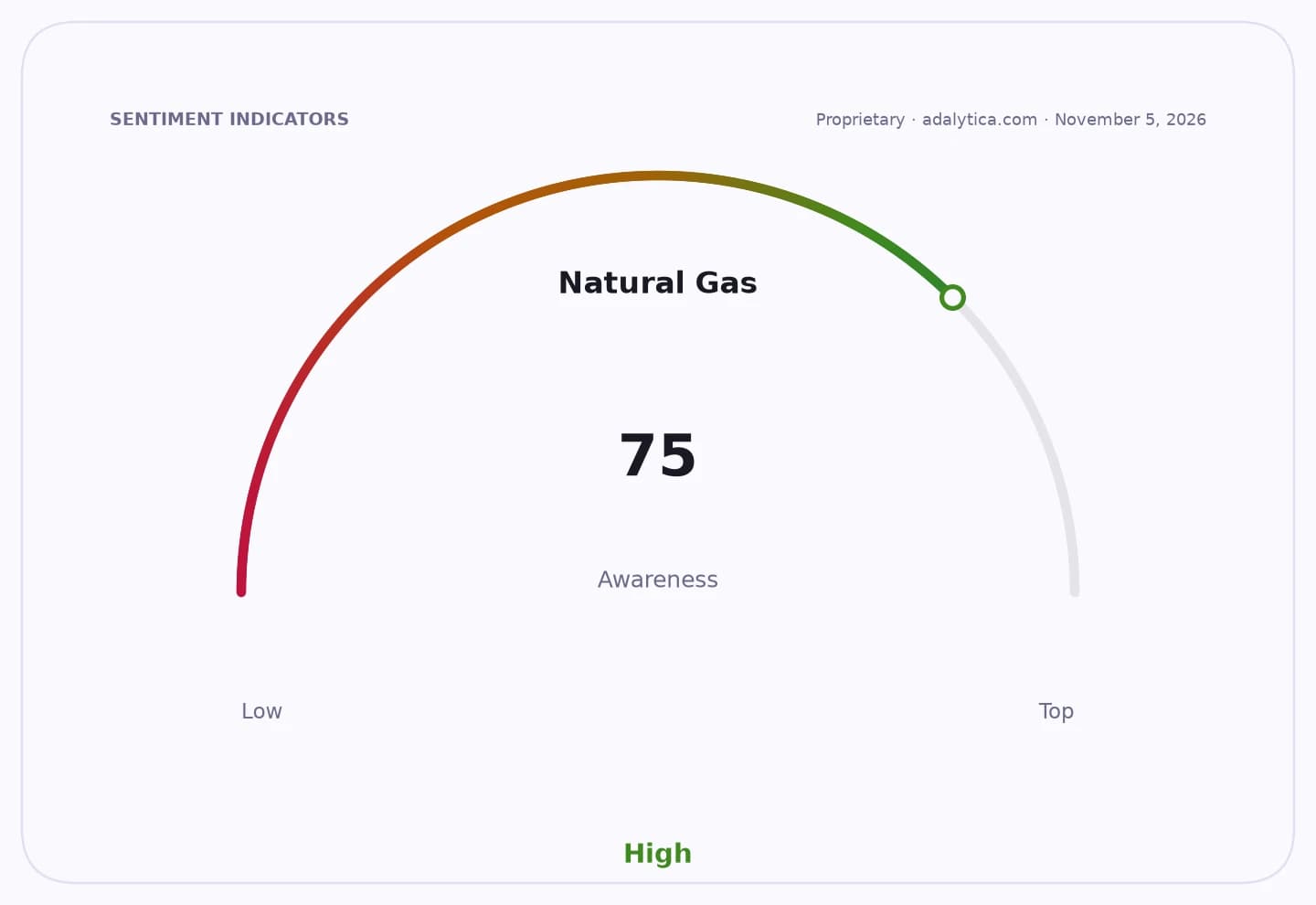
Natural Gas
The move matters because it pushes back a politically sensitive transition from administered pricing toward a freer market at a time when household budgets remain under strain and energy inflation is still a live risk. A sudden end to support would likely feed directly into consumer price inflation, worsen affordability for vulnerable households and complicate the government’s effort to normalize the gas market without triggering a backlash.
Sentiment Indicators
Geopolitical Risk
Dumitru Chisăliţă said the current gas support scheme runs through March 31 and that his proposal would be to continue it beyond that date so there is no discussion of large price increases. He also said the shift from a regulated phase to a market-based one needs a transition period and cannot happen overnight, particularly in the middle of winter. The ministry expects to bring concrete measures to the table this month, within legal limits, with the aim of having a clearer plan by year-end.
For investors, the key implication is that Romania remains in the slow lane on energy liberalization. That supports near-term demand stability for consumers but keeps policy risk elevated for gas suppliers, utilities and any market participants counting on a rapid repricing of retail gas. It also suggests the state is likely to keep using targeted intervention rather than a broad withdrawal of support, which could limit margin recovery for parts of the energy value chain while reducing the odds of a sharp demand hit.
Natural Gas
Chisăliţă’s remarks also point to a broader redesign of assistance. He said support for vulnerable consumers should become more targeted, replacing the current model of spreading small sums across many households. That would be economically more efficient if implemented well, but it also raises execution risk: the state must identify who qualifies, build the administrative machinery and avoid gaps in coverage before winter pressures ease.
The policy backdrop is sensitive. Europe’s gas market has been more volatile since the energy shock, and governments across the region have repeatedly faced a trade-off between shielding consumers and restoring price signals. Romania’s approach suggests officials are prioritizing stability over speed, a stance that may reduce social pressure in the short term but delays the return to normal market pricing and keeps fiscal and regulatory uncertainty in place.
The next catalyst is the ministry’s promised package of concrete measures later this month. Investors will be watching whether the extension is a simple rollover of support, or the first step toward a narrower, more selective subsidy regime that could eventually restore market pricing without a one-step shock.
| Entity | Gains | Losses |
|---|---|---|
| Romanian households | ▲Short-term bill relief | ▼Delayed market pricing |
| Vulnerable consumers | ▲Targeted future support | ▼Risk of policy gaps |
| Gas suppliers | ▲More stable demand | ▼Slower price normalization |
| Romanian state | ▲Lower social backlash | ▼Ongoing fiscal and regulatory burden |