Romania’s labor fight is turning into a macro story, with the National Trade Union Bloc proposing a 4,652 lei gross minimum wage from 2027 as inflation has already stripped away much of the buying power of the country’s lowest-paid workers.
Romania minimum wage proposal for 2027
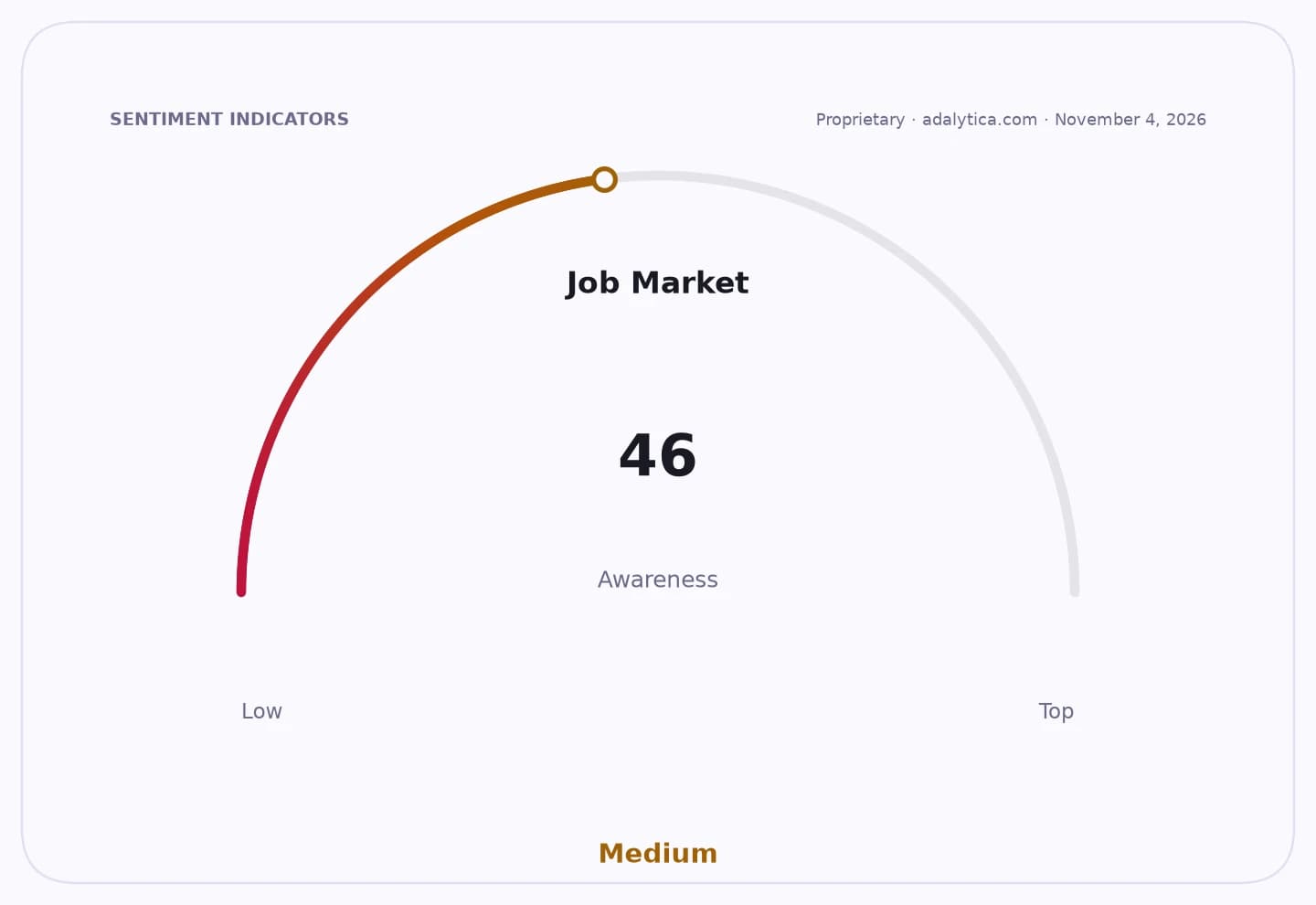
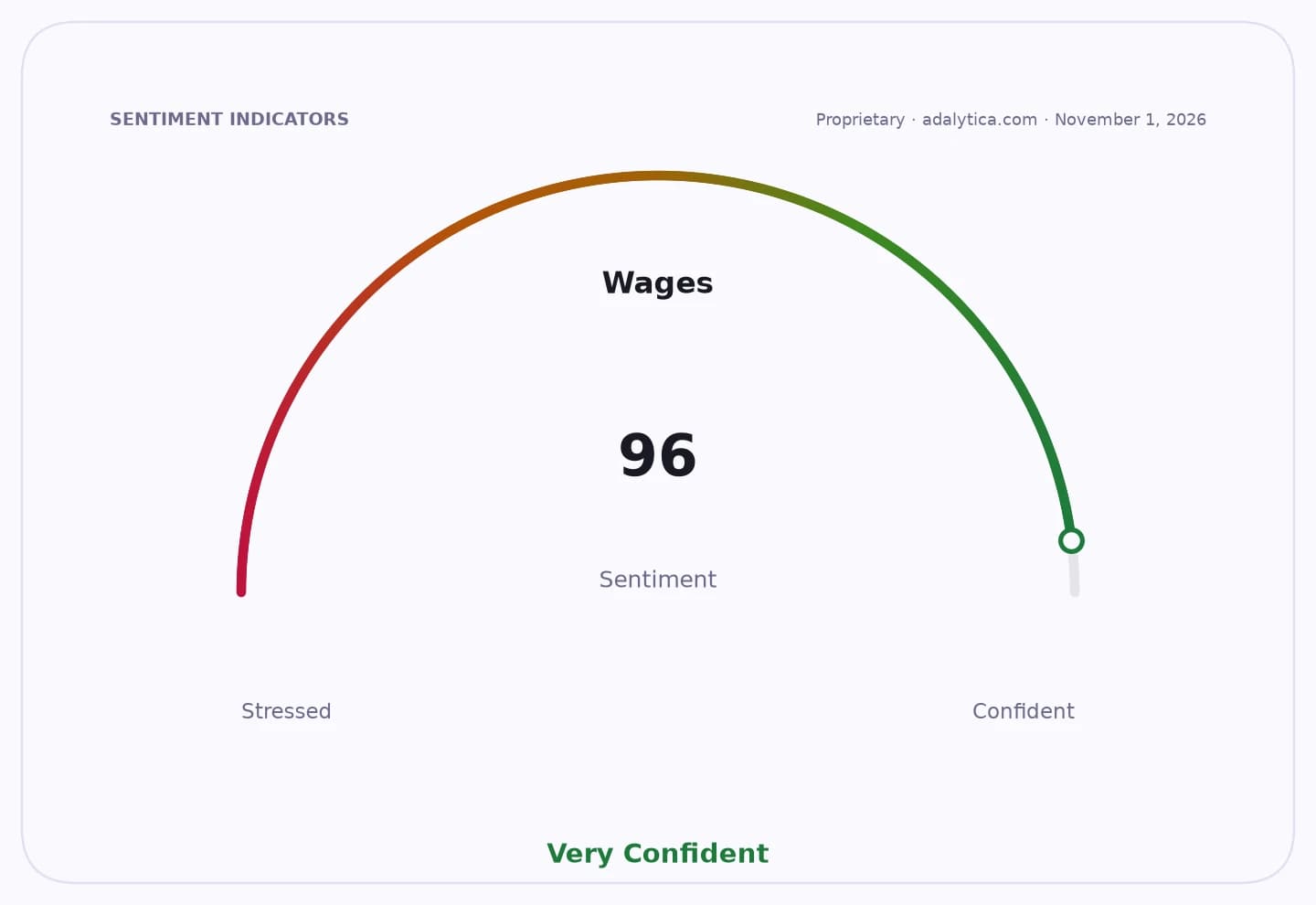
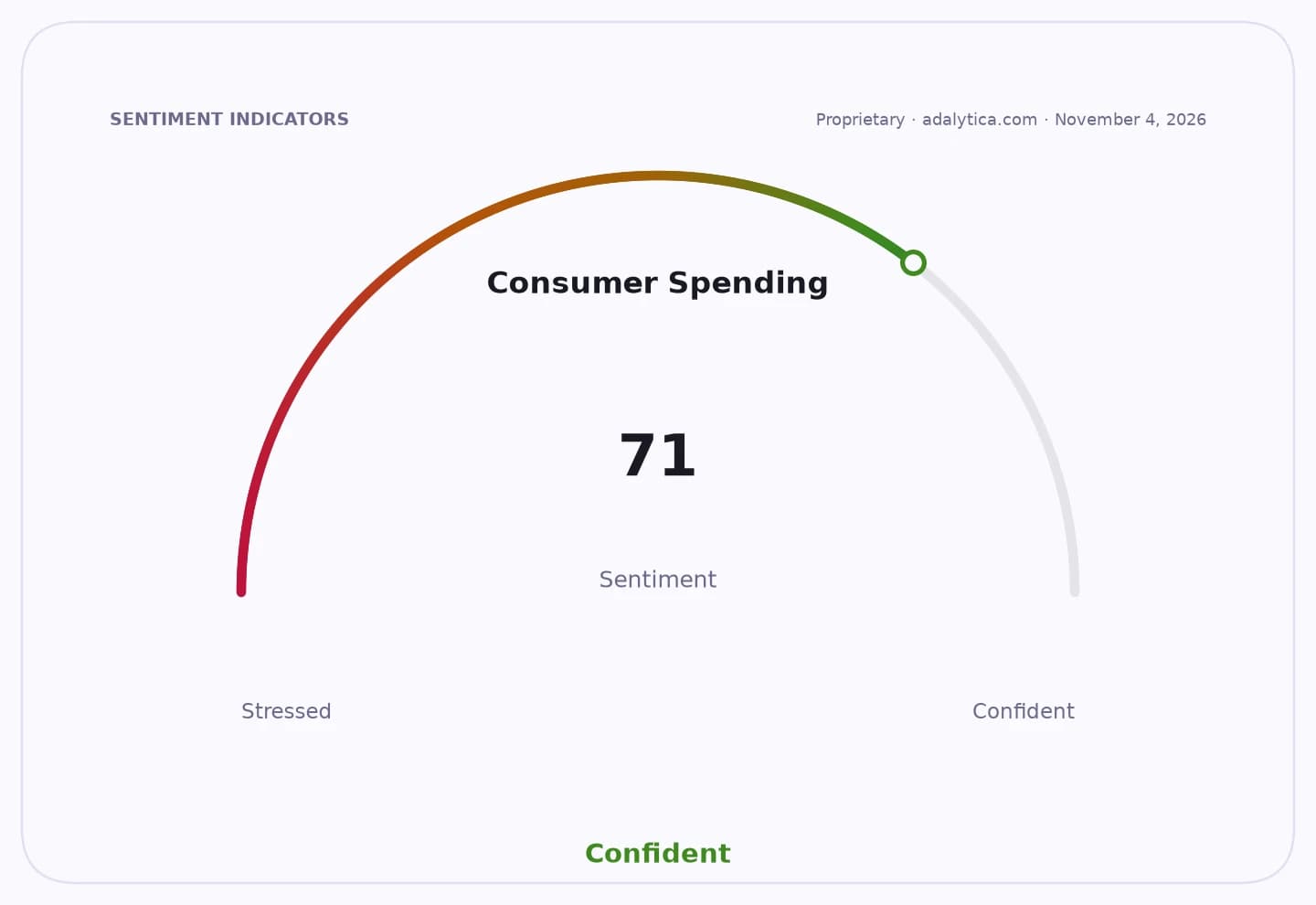
Consumer Confidence
That matters because the minimum wage is no longer a niche labor issue in Romania; it is a price-setting anchor for a huge slice of the economy. The union says more than 1.4 million employees, or 26.9% of the workforce, earn the minimum wage or no more than 75 lei above it, while eight in 10 workers sit below the average base salary. In other words, a floor-level wage decision now has the power to ripple through consumption, payroll costs and public finances at the same time.
Sentiment Indicators
BNS is arguing that the current formula would only lift the minimum to 4,583 lei in 2027, but that would still leave it below the legal adequacy range the union cites. Its preferred 4,652 lei level is designed to recover some of the purchasing power lost during an 18-month freeze, when prices rose 13.8% and the union says the minimum wage lost 12% in real terms. The proposal would take the net minimum to about 2,898 lei, up from 2,699 lei, and would lift coverage of a “decent living” basket only to about 52% — still far from enough to restore household resilience.
For investors, the key point is that Romania is drifting toward a wage-led inflation and margin debate, not a one-off labor adjustment. BNS says the minimum is already used as a reference point across much of the economy, which means the floor can quickly become the ceiling for pay negotiations. That creates a direct squeeze on labor-intensive sectors such as retail, food service, logistics and consumer staples, while supporting wages at the bottom end and potentially keeping domestic demand firmer than companies would like.
The proposal also highlights a fiscal trap the union calls a “tax wall,” where small gross wage increases can leave workers worse off net of taxes and contributions. If policymakers want higher pay to actually show up in take-home income, they will need to address tax thresholds and the non-taxable allowance rather than simply ratify a higher statutory floor. That is why this is more than a wage dispute: it is a test of how Romania balances competitiveness, household income and social stability as inflation normalizes but living costs stay elevated.
The market implication is straightforward. The beneficiaries are households and domestic-demand names that can pass through higher costs, while the losers are employers with thin margins and limited pricing power. If Bucharest chooses a more aggressive wage path, expect pressure on labor costs to linger into 2027, and expect the minimum wage to remain one of the most important macro variables in Romania.
| Entity | Gains | Losses |
|---|---|---|
| Minimum-wage workers | ▲Higher net pay | ▼Erosion from inflation |
| Romanian consumers | ▲Better purchasing power | ▼Slower if costs pass through |
| Labor-intensive employers | ▲— | ▼Higher wage bills |
| Domestic-demand retailers | ▲Firmer spending | ▼Margin pressure |