Romania’s labor ministry says the minimum gross wage is set to stay at 4,325 lei on Jan. 1, 2027, with formal negotiations to begin in the coming weeks once the national statistics office delivers the data needed under the legal formula.
Romania minimum wage set at 4,325 lei for 2027
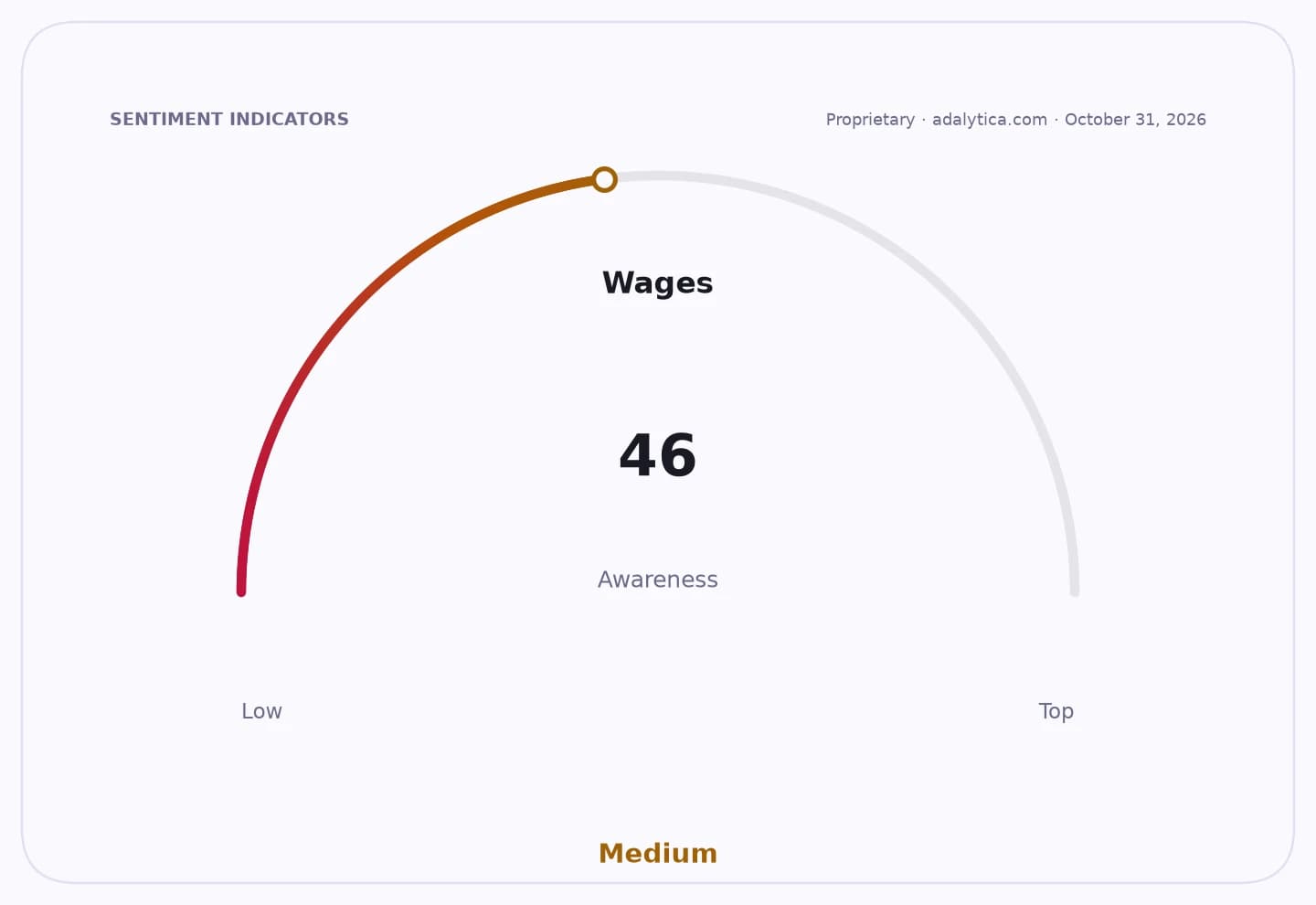
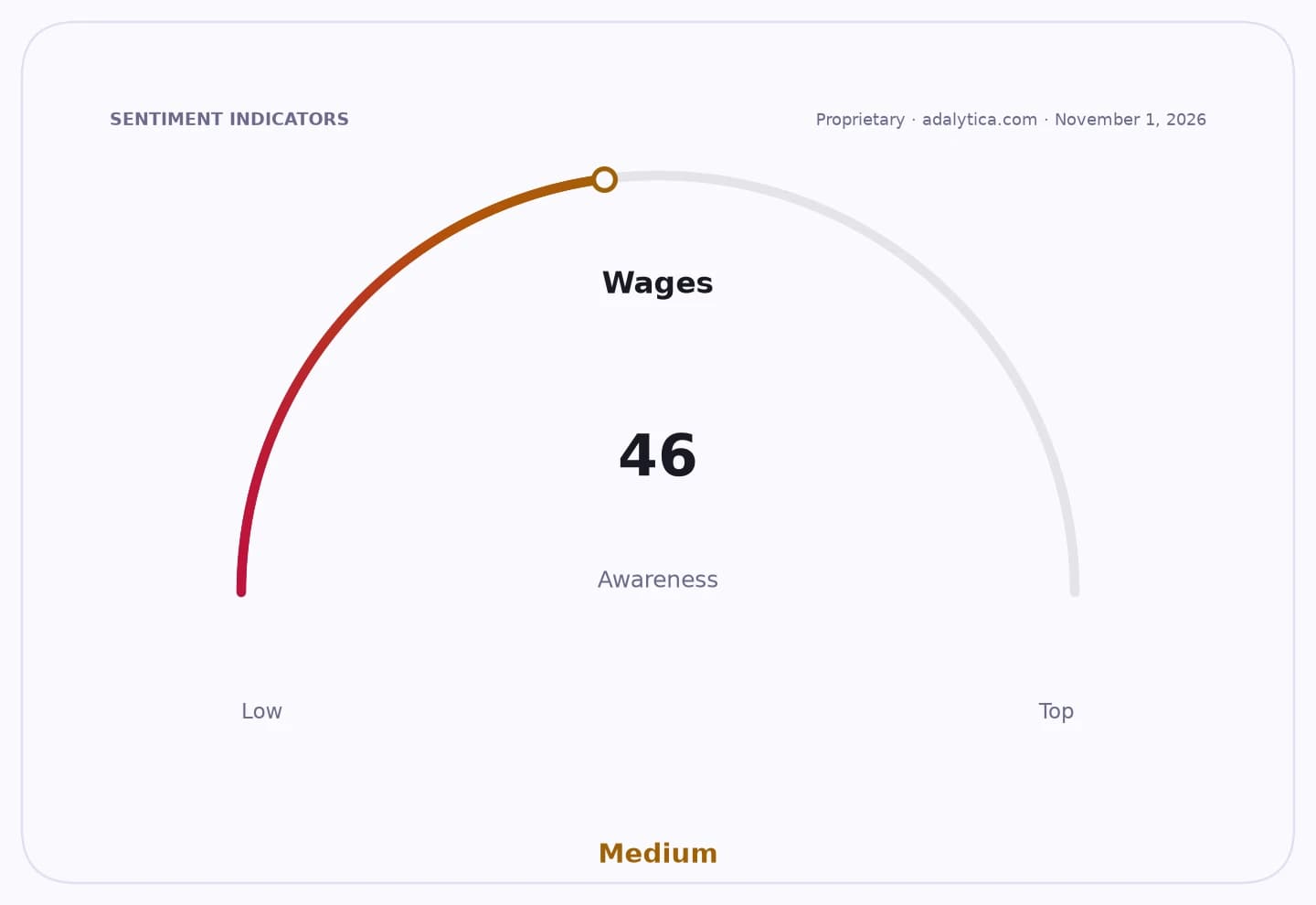
Wages
The decision matters because wage policy is one of the few levers the government has to support household incomes without resorting to broader fiscal stimulus. With inflation still eroding purchasing power, leaving the minimum wage unchanged would effectively freeze pay for the country’s lowest-paid workers even after a July 2026 increase.
Sentiment Indicators
Labor Minister Florin Manole said the ministry will use a formula that factors in productivity and macroeconomic indicators before taking the proposal to the tripartite council and then to talks with unions and employers. That makes the 2027 decision more than a political announcement: it is the start of a technically constrained bargaining process that will test how much room Romania has to raise wages without adding pressure to costs and employment.
The current minimum wage rose on July 1, 2026 from 4,050 lei to 4,325 lei, but workers saw only about 125 lei more in net pay after taxes and contributions. The gap underscores why minimum-wage increases can be politically popular but economically limited when inflation and payroll charges absorb much of the gain.
For investors, the stakes run from consumer spending to labor costs. A flat minimum wage would favor employers, especially in labor-intensive sectors, while a larger increase could lift disposable income at the bottom of the income scale but squeeze margins for retailers, restaurants and manufacturers already managing higher input costs.
The next catalyst is the release of the official statistics that will feed the wage formula and shape the ministry’s opening position. Any deviation from the current 4,325 lei plan will signal how aggressively Bucharest wants to balance wage support against competitiveness heading into 2027.
| Entity | Gains | Losses |
|---|---|---|
| Employers | ▲Lower payroll costs | ▼Weaker wage support for staff |
| Low-wage workers | ▲Potentially higher take-home pay | ▼Stagnant incomes if unchanged |
| Government | ▲Cost control and labor stability | ▼Political pressure from unions |
| Consumer-facing firms | ▲Margin protection | ▼Less consumer demand growth |