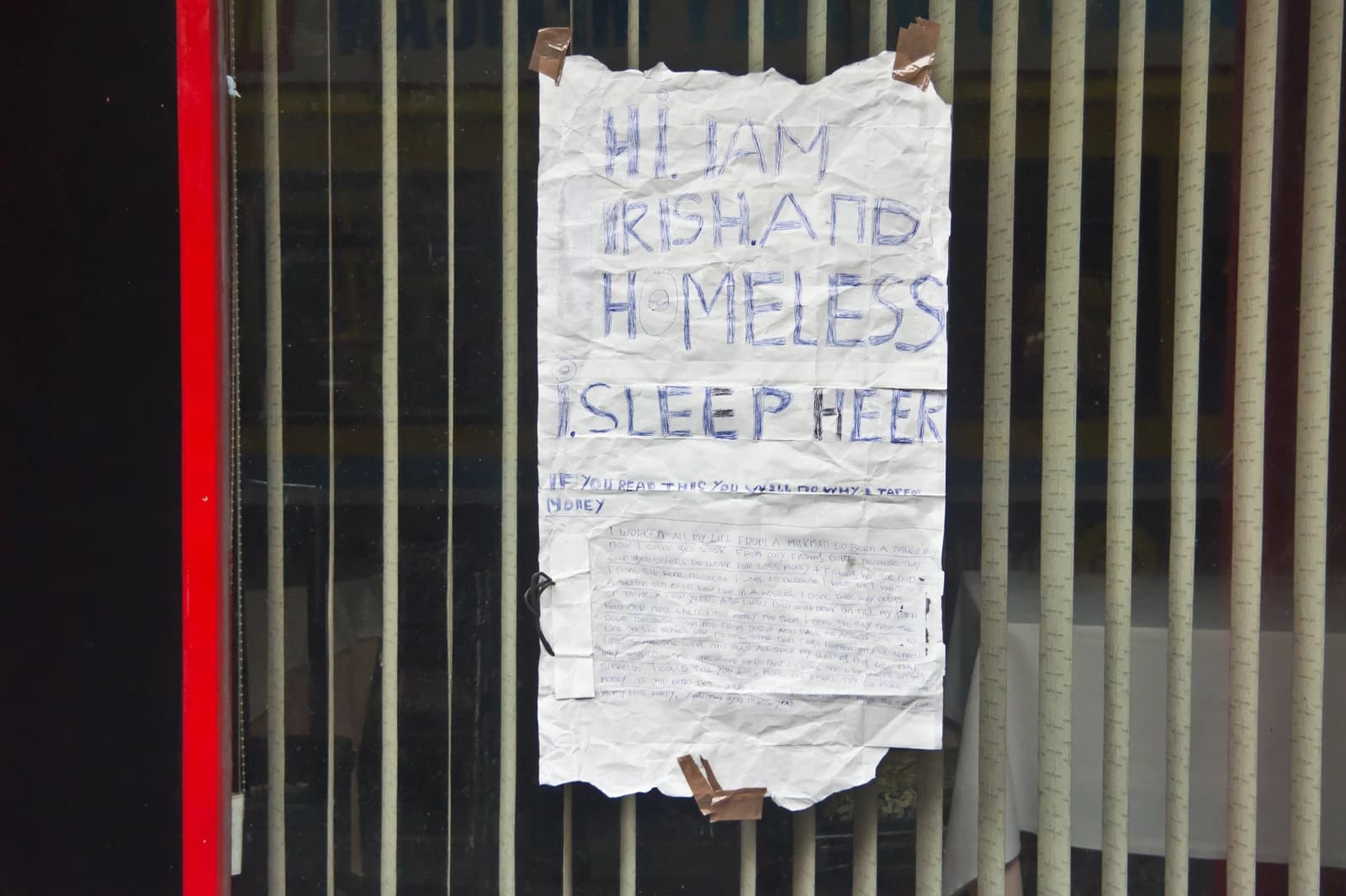
More than a third of tenants in South Dublin are spending over 40% of their disposable income on rent, underlining how housing costs around the capital have become a drag on household finances and a broader economic constraint in Ireland.
Dublin tenants face high rent burden
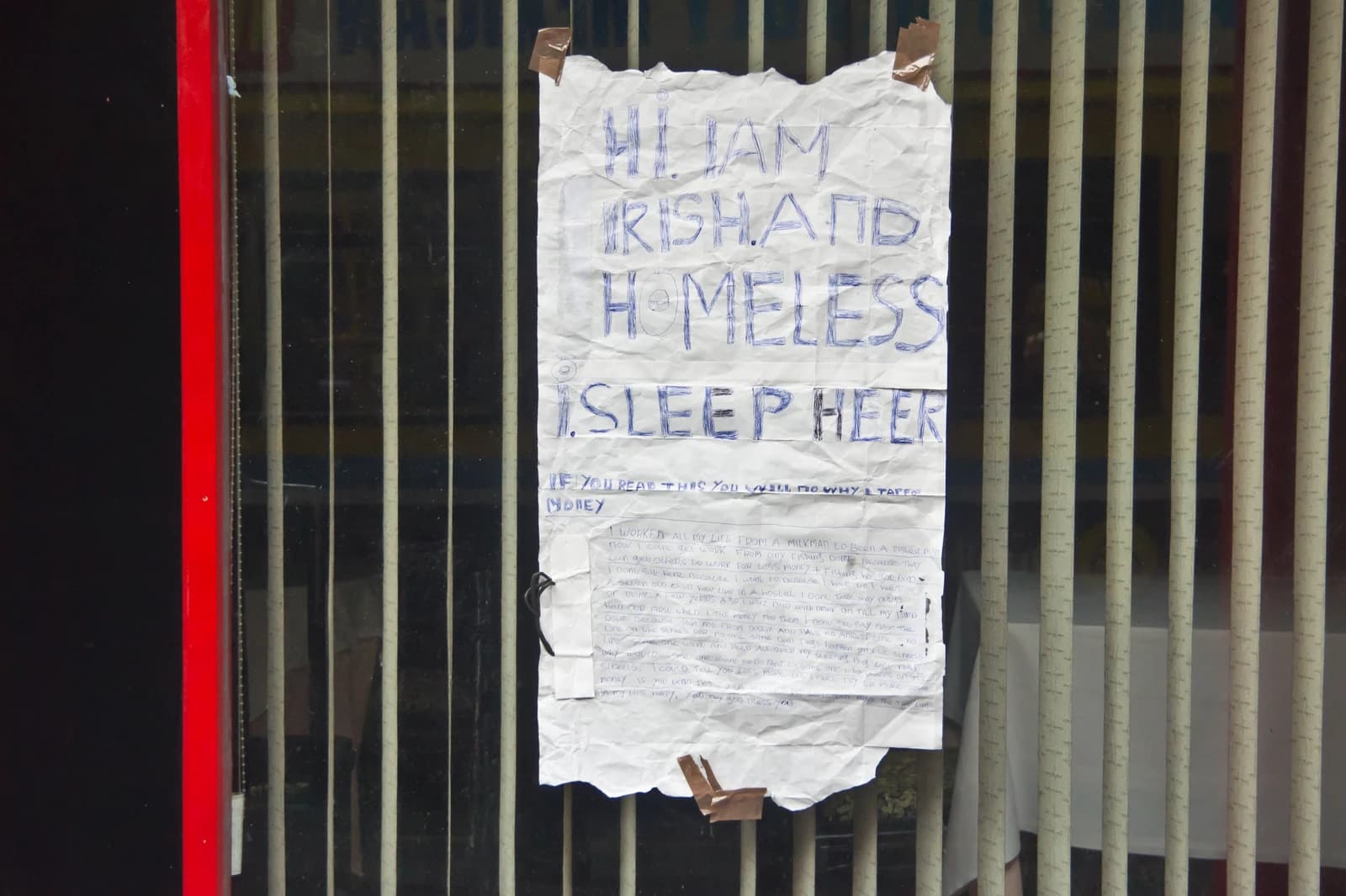
The Central Statistics Office’s 2024 data show the rent burden is highest in and around Dublin, with similar pressure in Fingal, Louth and Wicklow, where about a third of tenants are above the 40% threshold. That matters because rent is increasingly crowding out discretionary spending, leaving households with less room to absorb higher borrowing costs, food prices and other essentials. For policymakers, it also reinforces the case that Ireland’s housing shortage is no longer just a social issue but a macroeconomic one, shaping labour mobility, wage demands and the cost of living.

The sharpest pressures were recorded in local electoral areas such as Tallaght South, where tenants spent 33.7% of disposable income on rent, Balbriggan at 32.9%, Ballyfermot-Drimnagh at 30.5% and Ongar at 27.1%. At the other end of the scale, rent burdens were far lighter in rural counties including Belmullet in Mayo at 10.3%, Lismore in Waterford at 14.5% and Ballinamore in Leitrim at 14.9%. The geographic gap highlights how Ireland’s housing stress is concentrated in the commuter belt and capital, where demand from workers is strongest and supply remains tight.
The burden is particularly acute for lower-income renters. Just over a quarter of tenants had gross incomes below €20,000, while almost four in 10 tenants aged over 65 were spending more than 40% of disposable income on rent. Almost three-quarters of tenants relied mainly on employment income, with social welfare the next most common source. That mix suggests the problem is not confined to the unemployed or the least attached to the labour market; it is affecting working households and older renters who may have limited ability to adjust.
Landlord data from the CSO point to a market where rental income is important, but ownership is often in the hands of older households. A majority of landlords were aged 50 to 64, and three in 10 were over 65. About 62% reported total gross income of less than €60,000 in 2024, and the most common employment sector among individual landlords was financial and real estate activities. That profile matters for supply, because it suggests many rental units are held by private individuals rather than large-scale operators, making the market more sensitive to tax changes, regulatory shifts and financing conditions.
For investors, the findings reinforce the view that Dublin residential property remains supported by chronic demand and constrained supply, but that affordability is stretched. The bull case is that persistent rent pressure supports cash flows for landlords and residential assets in supply-constrained locations. The bear case is that extreme rent burdens raise political risk, strengthen the case for tighter regulation and heighten the risk of tenant stress, arrears or weaker consumer spending in the wider economy.
The next issue for the market is whether policy can ease the pressure without choking supply further. Until housing construction, planning and infrastructure catch up with demand, Dublin’s rent burden is likely to remain a key brake on household purchasing power and a continuing source of tension in the Irish property market.
| Entity | Gains | Losses |
|---|---|---|
| Existing landlords | ▲Higher rent levels | ▼Political scrutiny |
| Tenants in Dublin | ▲— | ▼Higher household squeeze |
| Residential property owners | ▲Stronger cash flows | ▼Regulatory risk |
| Irish consumers | ▲— | ▼Less disposable income |