Barcelona’s rent cap experiment is already doing what policymakers promised: lowering asking rents in one of Europe’s tightest housing markets. That matters because housing inflation is not just a tenant issue — it feeds into consumer costs, local spending power and the earnings outlook for landlords with pricing power.
Barcelona Rent Cap Lowers Asking Rents 4.4%
The biggest new information is the 4.4% decline in rental prices after the caps were applied. In practical terms, that is a meaningful shift in a market where affordability had been stretched and where rent growth had become a major driver of household pressure. If the policy holds, it could ease inflation in the city and improve the balance between tenants and landlords. If it doesn’t, shortages could replace the current pain with a different one.
That’s why investors should care. Rent controls tend to compress revenue growth for property owners, especially those reliant on annual lease resets and market-rate repricing. They can also change capital allocation decisions, discouraging new supply if returns are squeezed too far. For listed housing landlords and property owners, the lesson is simple: policy risk is real, and local regulation can quickly change the economics of residential real estate.
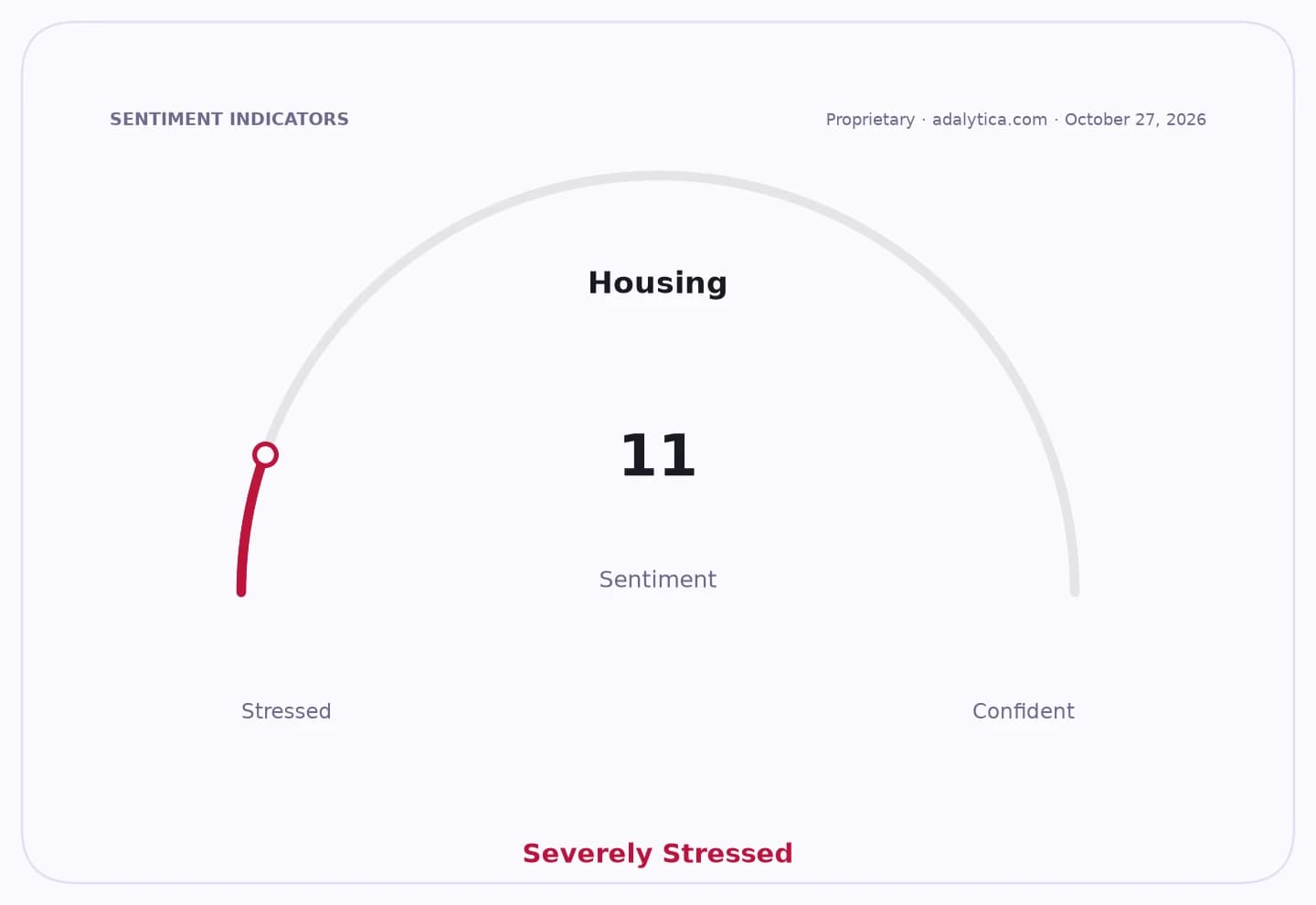
The wider market backdrop matters too. Housing remains one of the most politically sensitive parts of the economy, and rent inflation has been a flashpoint across Europe. Sentiment around housing and rent inflation, tracked by Adalytica.com, is in extreme fear even as awareness remains high, underscoring how quickly affordability issues can turn into policy pressure. That is exactly the kind of environment where lawmakers are tempted to act more aggressively.
For companies like American Homes 4 Rent and other landlords with exposure to regulated or politically exposed markets, the implication is not that the business model is broken. It is that growth may depend less on aggressive rent increases and more on occupancy, operating efficiency and disciplined capital allocation. In a world where rent growth can be capped by statute, scale and execution matter more.
For long-term investors, the takeaway is straightforward: rent caps can slow revenue growth for landlords, but they can also stabilize demand and reduce political backlash if implemented well. That makes housing one of the most important sectors to watch for policy-driven valuation shifts. If you own real estate stocks, keep an eye on the regulatory map — it can matter as much as interest rates.
| Entity | Gains | Losses |
|---|---|---|
| Tenants in Barcelona | ▲Lower housing costs | ▼Less housing scarcity leverage |
| Local policymakers | ▲Political credibility | ▼Risk of supply slowdown |
| Landlords/property owners | ▲More stable occupancy | ▼Slower rent growth |
| Housing investors | ▲Clearer policy pricing | ▼Margin compression risk |