Russia’s debate over preferential mortgages is widening beyond apartments and houses, and that matters because it could pull even more demand into a market already strained by high borrowing costs and weak affordability. A proposal in the State Duma to extend family mortgages to parking spaces would not solve the housing crunch, but it would deepen the state’s role in steering household credit — and investors should pay attention to the ripple effects across banks, developers and the broader property market.
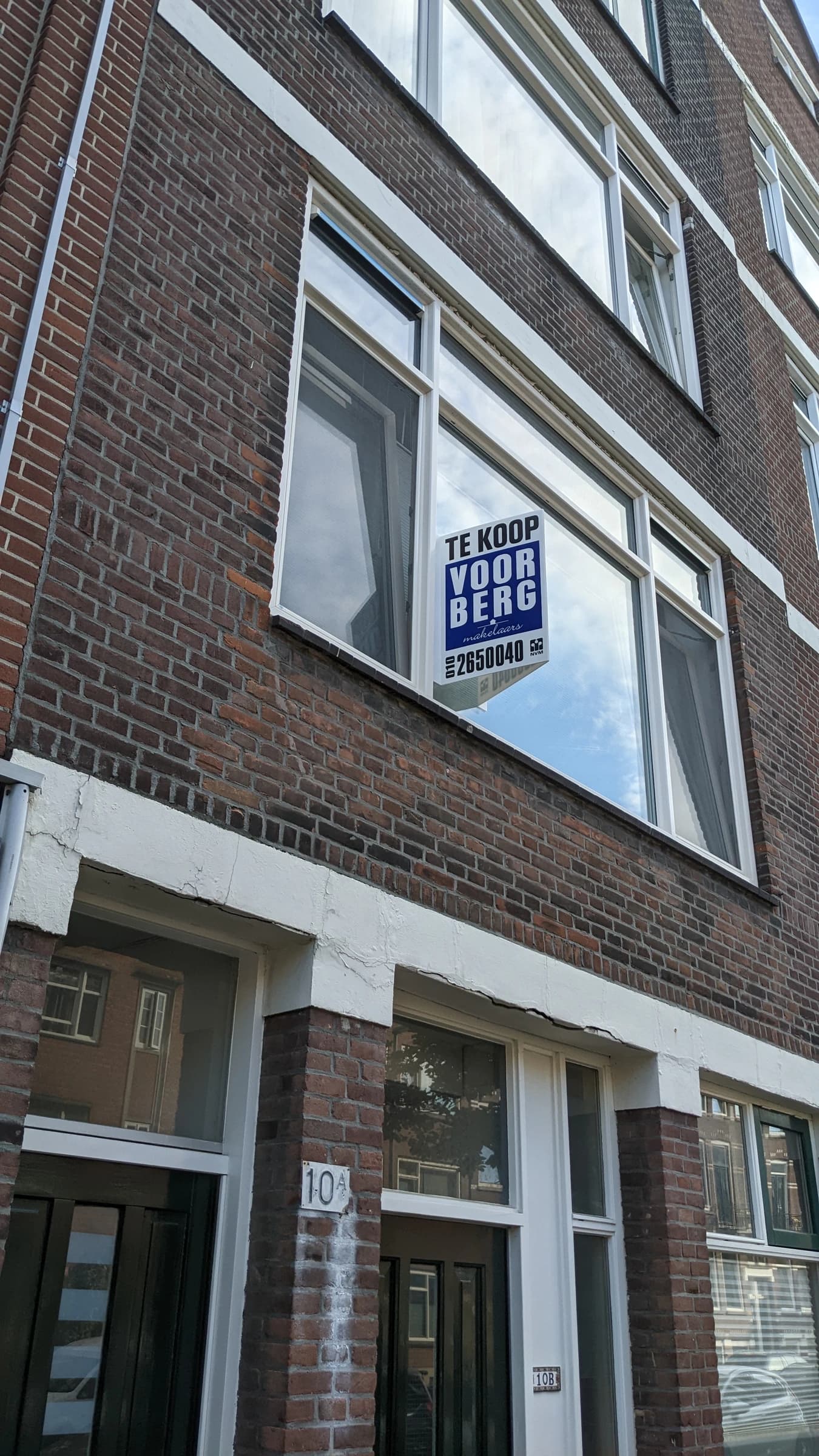
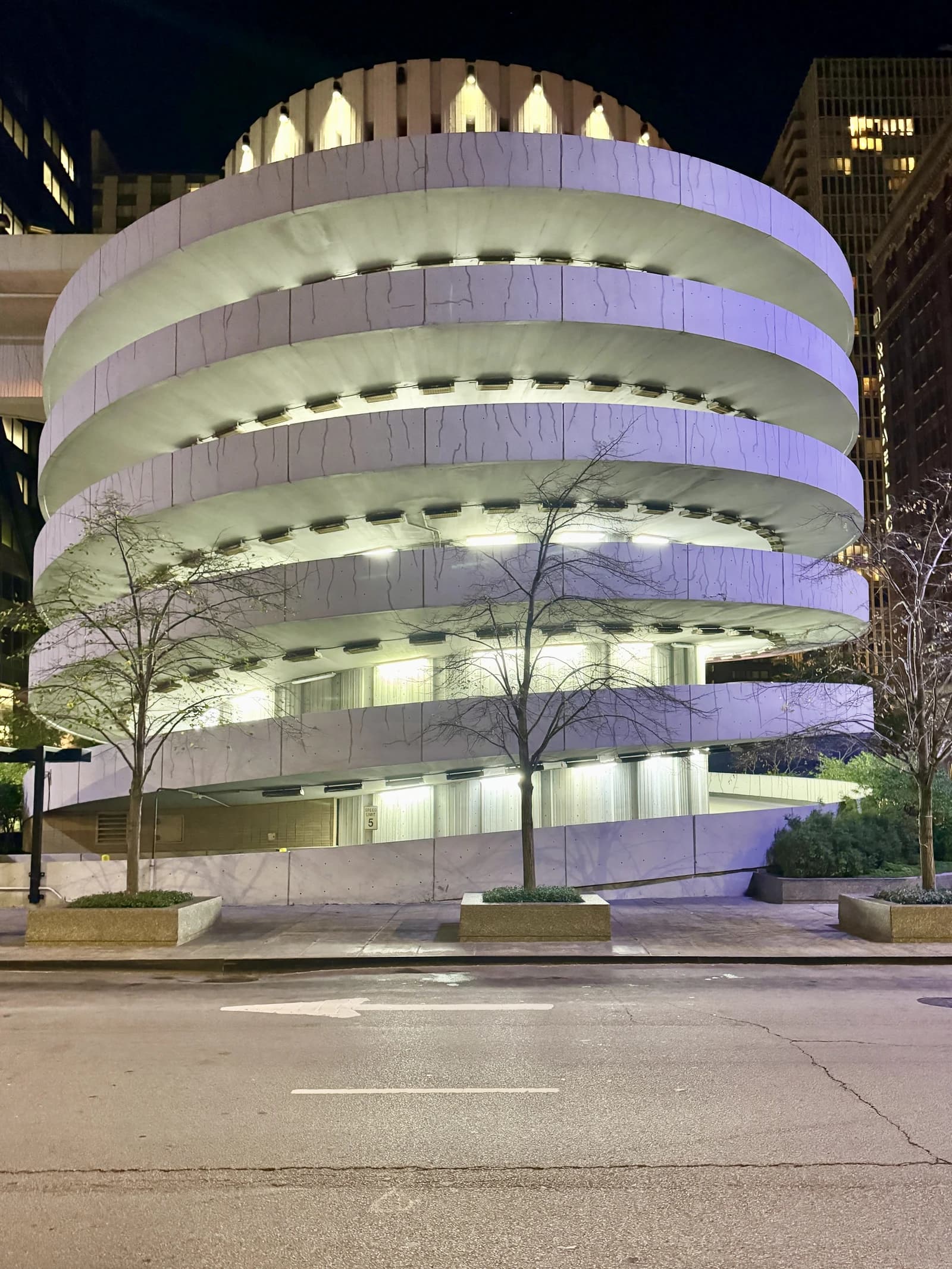
Russia debates mortgages for parking spaces
The significance is economic, not just political. When governments broaden subsidized lending, they can temporarily support construction activity and keep transaction volumes moving. But they also risk inflating prices, misallocating credit and leaving households more leveraged to assets that may not hold value the way policymakers expect. That is why Central Bank Governor Elvira Nabiullina has been warning that large preferential mortgage programs need to be scaled back, not expanded.
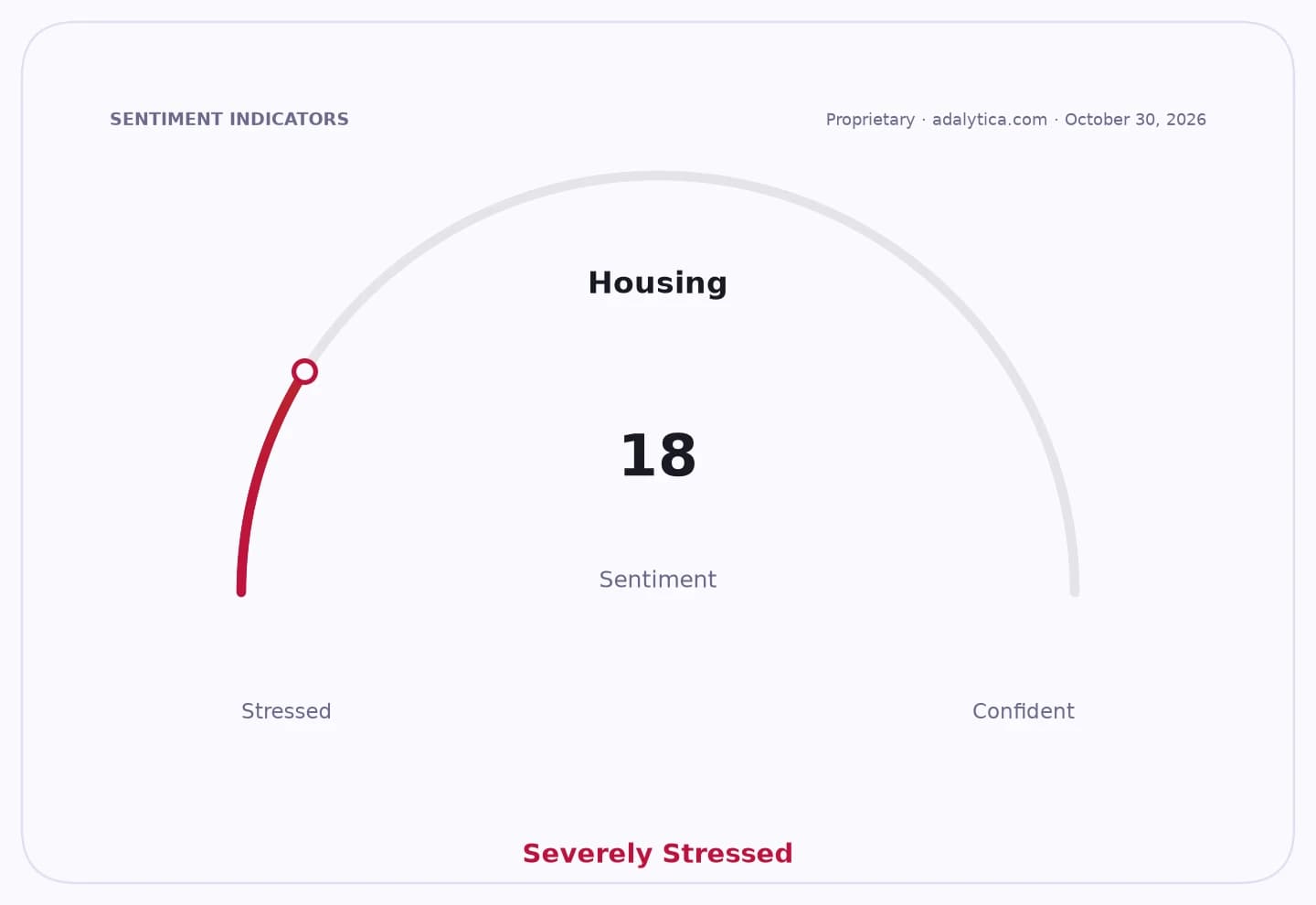
Sentiment Indicators
Housing
The pressure point is clear: mortgage affordability is deteriorating. Banks are already raising mortgage rates on their own, independent of the central bank’s policy direction, which makes it harder for households to buy homes and easier for developers to face softer demand. Against that backdrop, extending family mortgages to parking spaces looks less like a niche policy tweak and more like a sign of how difficult it has become to sustain the housing market without official support.
For investors, the key question is who wins and who pays. Developers and lenders may benefit in the short run if subsidized credit keeps flowing, but the longer-term risk is that easier access to mortgage finance masks a real affordability problem. That can delay market clearing, keep prices elevated, and eventually worsen credit quality if borrowers stretch further than they should. In other words, the policy may support nominal activity while weakening the market’s foundations.
The broader narrative is one of a housing system under strain. As traditional mortgages become more expensive, policymakers are searching for ways to preserve demand, while buyers increasingly look for alternatives and the rental market becomes a pressure valve. A parking-space mortgage may sound unusual, but it is really a symptom of a deeper problem: when the cost of shelter rises faster than incomes, credit starts to spill into ever smaller corners of the property market.
For long-term investors, that is a reminder to focus on balance-sheet quality, underwriting discipline and assets with real pricing power. Subsidy-led housing demand can create opportunity, but it can also create fragility. This is worth watching closely, especially if Russia keeps pushing mortgage policy further into nontraditional property categories.
| Entity | Gains | Losses |
|---|---|---|
| Banks | ▲More loan volume | ▼Higher credit risk |
| Developers | ▲Short-term demand support | ▼Less healthy pricing |
| Homebuyers | ▲Easier access to finance | ▼Bigger debt burden |
| Regulators | ▲Political cover for housing policy | ▼Inflation and misallocation risk |