Berlin’s renewed push to expropriate large landlords is less a housing cure than a political statement, and that distinction matters because the city’s shortage is fundamentally about supply, not ownership labels.
Berlin expropriation push and housing supply debate

For long-term investors, the key point is simple: taking apartment stock into public hands does not create a single new unit, and it would likely do far more to chill capital than to unlock construction. Berlin has been struggling with tight supply and rising rents for years, but the policy trade-off is becoming clearer. Supporters of expropriation argue that private landlords, especially listed groups, have amplified the affordability crunch. Opponents say the city would invite years of litigation, scare away developers and saddle taxpayers with a bill that could run into the low tens of billions of euros.
Sentiment IndicatorsⓘProprietary · adalytica.com · October 24, 2026
This is a snapshot — live sentiment, awareness and momentum for 130+ markets update continuously in the dashboard.Open AlphaPulse

The numbers behind the politics are big. A 2021 referendum won 56% support for the idea, though it was not legally binding. An expert commission later said in 2023 that collective ownership of landlords with more than 3,000 apartments could be legally possible under Germany’s constitution. But the current federal government is moving to block that route, saying a national law would prevent states from using expropriation to take private rental portfolios into public ownership.
That makes Berlin a test case with national implications. If lawmakers in the capital can force through a compensation-based takeover of roughly 160,000 homes, the precedent would reverberate across Germany’s residential property market. If they cannot, the episode may still leave a lasting mark by making capital more cautious about funding new developments in politically sensitive markets. Either outcome has investor consequences well beyond Berlin.

The market has already been telling a similar story. In U.S.-listed real estate investment trusts, which often trade as a proxy for housing and rent expectations, the mood has been volatile. VNQ has been hovering around its 50-day and 200-day moving averages, while IYR has been trying to stabilize after a sharp pullback; REZ has also recovered from a recent low. Those moves reflect the same basic tension playing out in Berlin: investors still want income from housing assets, but they are increasingly sensitive to policy risk, regulation and the possibility of heavier state intervention.
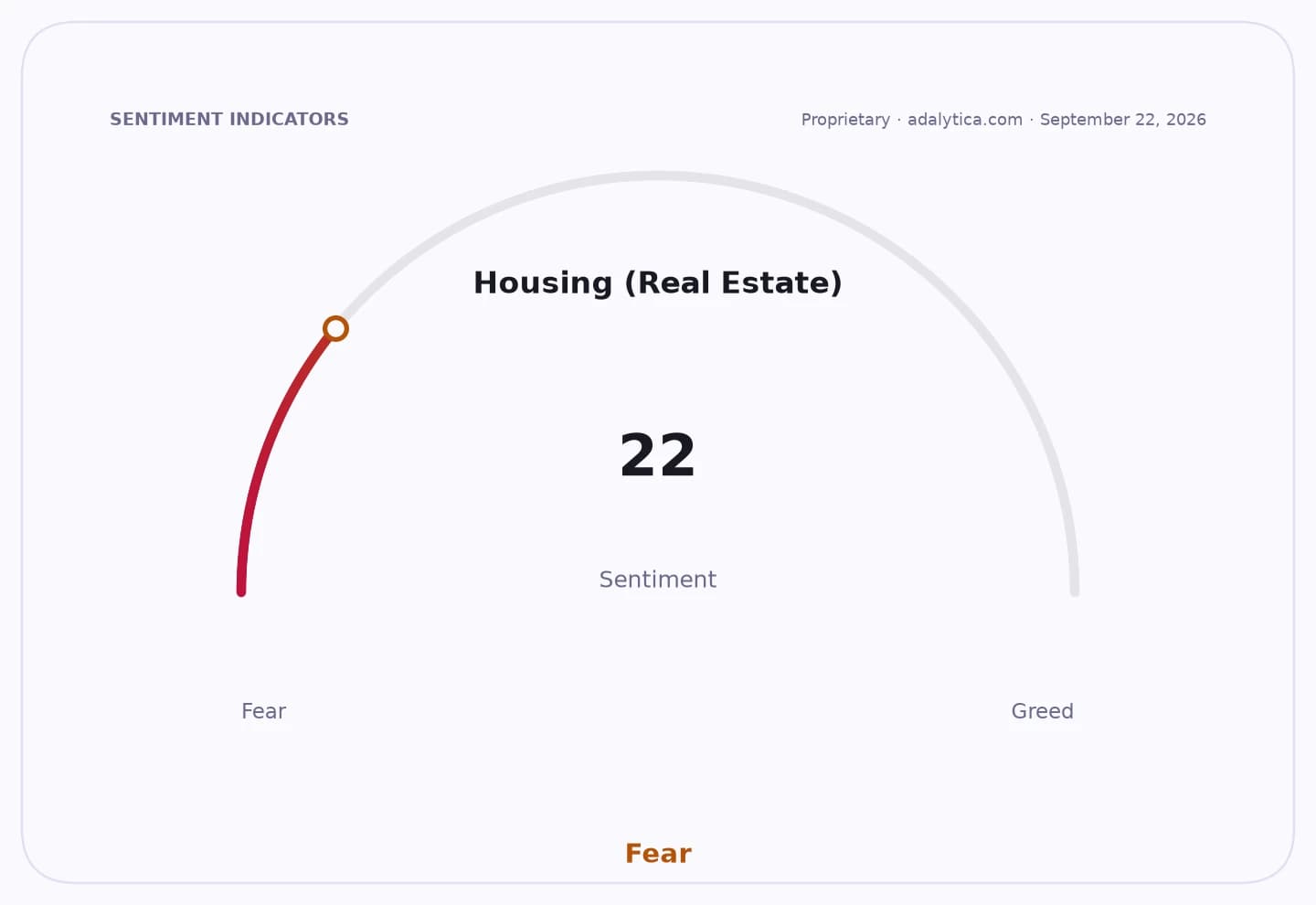
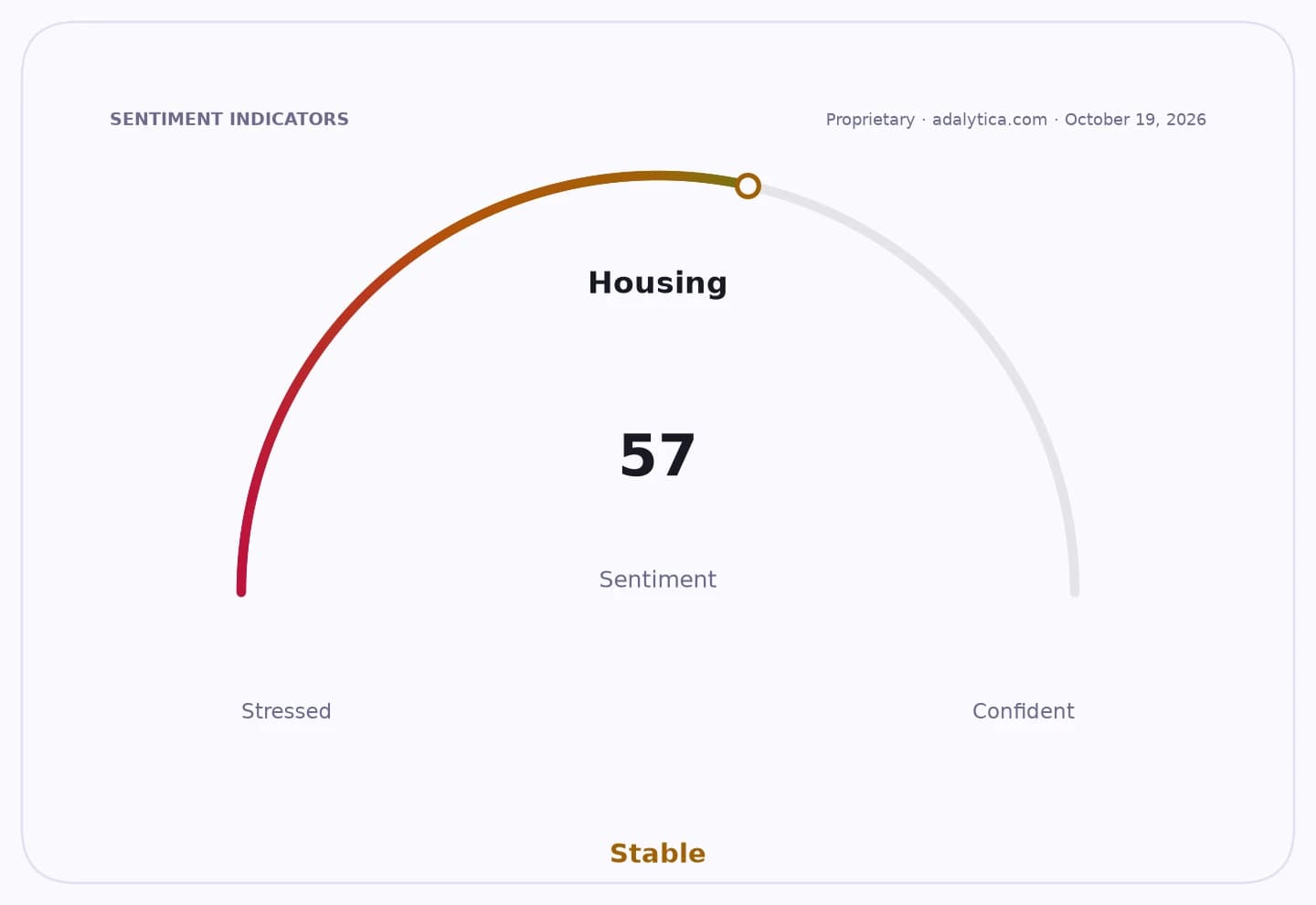
Adalytica’s Housing Fear & Greed Index for XHB currently shows “Extreme Greed” at 89, while its Housing and Rent Inflation sentiment reads “Extreme Fear” at 4. That combination is telling. Investors may still like the long-term fundamentals of shelter demand, but they are plainly worried about what governments might do to pricing power and returns. In other words, the asset class remains attractive, but the rules around it are getting less predictable.
That is why Berlin’s debate is bigger than one city. The real investment question is whether governments respond to housing shortages by speeding up planning, zoning and construction — or by interfering more directly with ownership and capital allocation. Only one of those paths actually adds supply. For investors, that is the one worth backing over the long term.
| Entity | Gains | Losses |
|---|---|---|
| Berlin tenants | ▲Potential rent relief rhetoric | ▼Delayed new supply |
| Private landlords | ▲None | ▼Expropriation risk |
| City government | ▲Political support from voters | ▼Fiscal and legal risk |
| Developers/investors | ▲Clarity if expropriation is blocked | ▼Higher policy uncertainty |