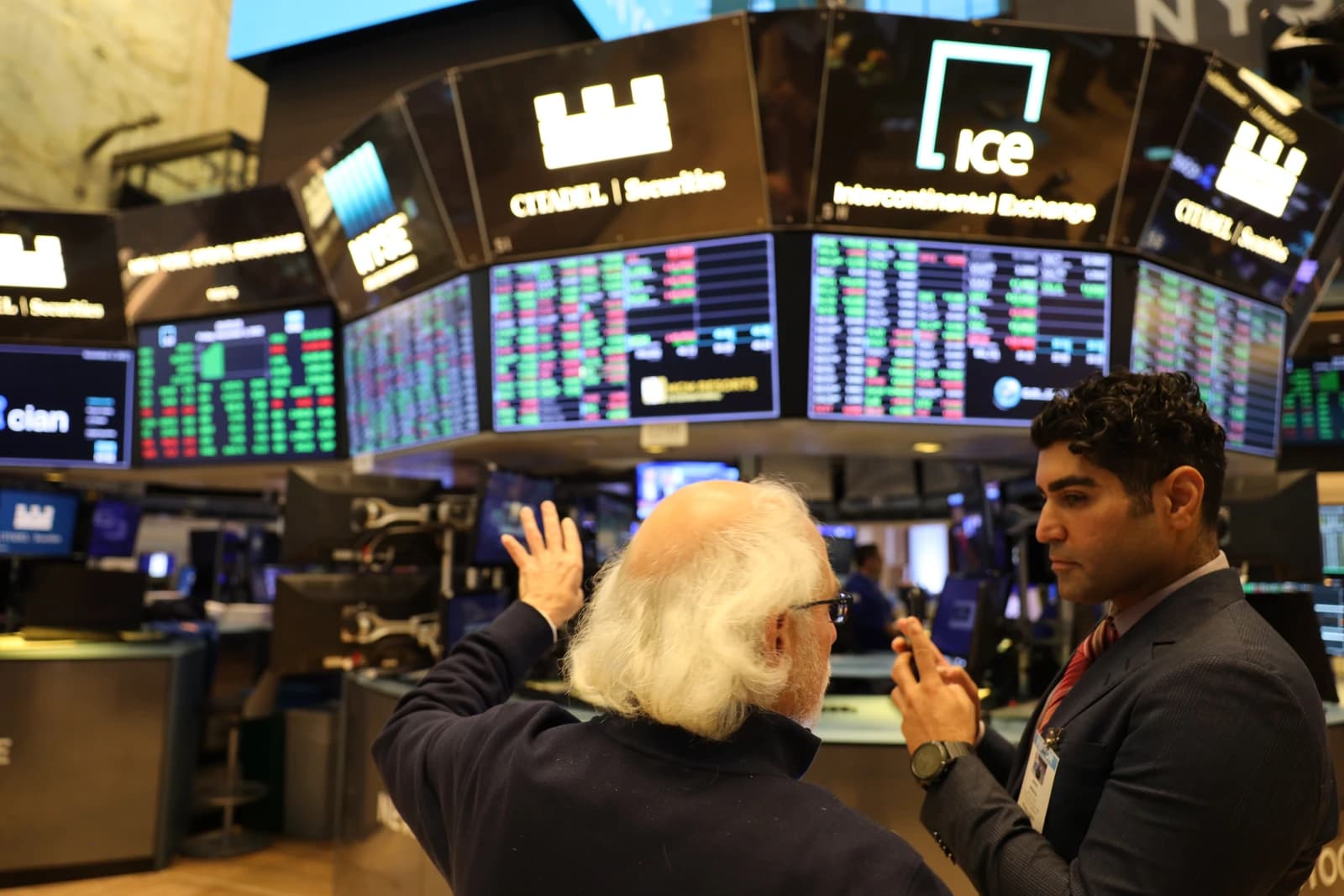
Germany is trying to do something far more important than host a photo-op: it wants to convince the world’s biggest pools of capital that it is still worth building in. That is why Chancellor Friedrich Merz’s investor summit in Berlin matters, and why Nvidia chief Jensen Huang’s appearance at his side is the clearest signal yet that Berlin is betting on artificial intelligence and foreign capital to revive its economy.
Germany investor summit draws Nvidia and global capital
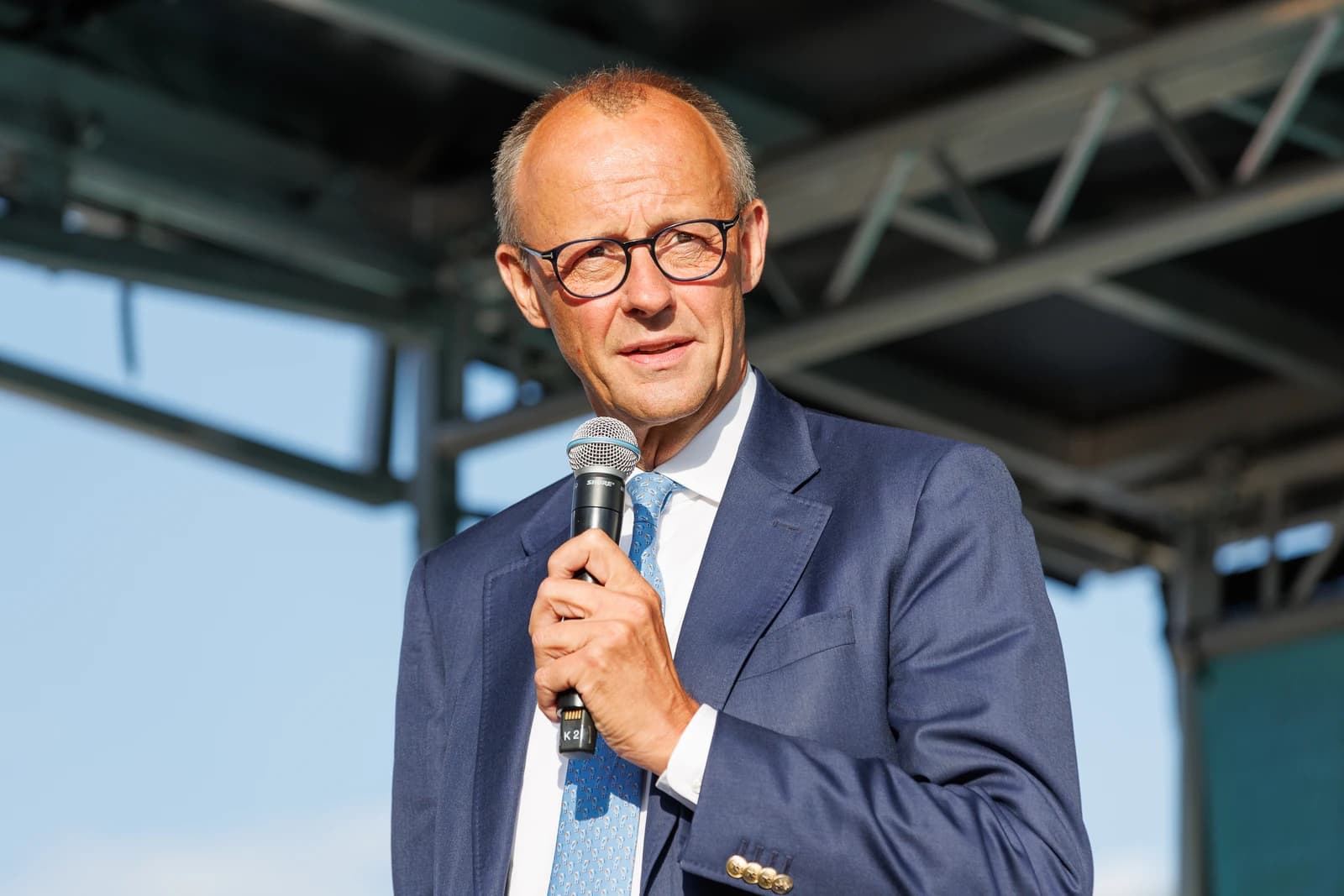
For investors, the message is simple. Germany’s leadership knows the country cannot reboot growth on domestic savings alone. It needs long-term money from global firms, sovereign wealth funds and strategic partners to flow into infrastructure, manufacturing and especially AI. If Merz can turn talk into investment commitments, that could support Germany’s industrial base, deepen Europe’s tech supply chain and create new demand for companies tied to semiconductors, cloud computing, power and advanced manufacturing.
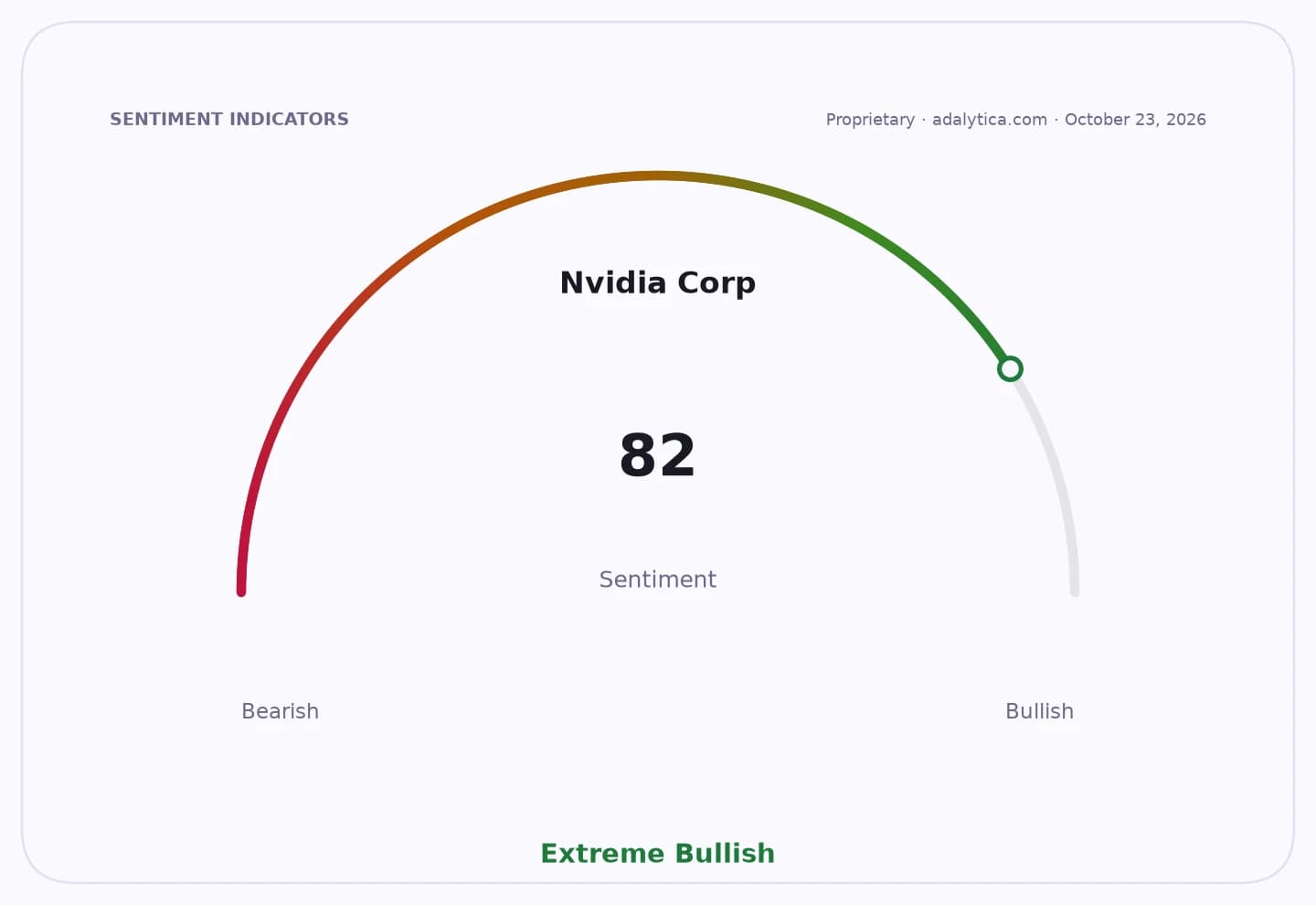
Sentiment IndicatorsⓘProprietary · adalytica.com · October 23, 2026
This is a snapshot — live sentiment, awareness and momentum for 130+ markets update continuously in the dashboard.Open AlphaPulse
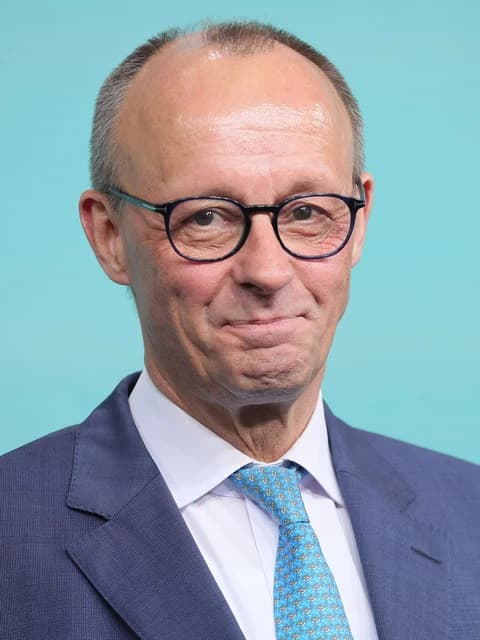
The guest list alone shows what Berlin is aiming for. Around 200 attendees include BlackRock’s Larry Fink, Bank of America’s Bernard Mensah, Kuwait’s sovereign wealth chief Sheikh Saoud Salem Abdulaziz Al-Sabah and venture investor Jeanette Princess zu Fürstenberg, alongside executives from Mercedes-Benz, Bayer and Siemens. In other words, Germany is trying to pull together the people who control capital, the people who deploy it and the companies that need it most.
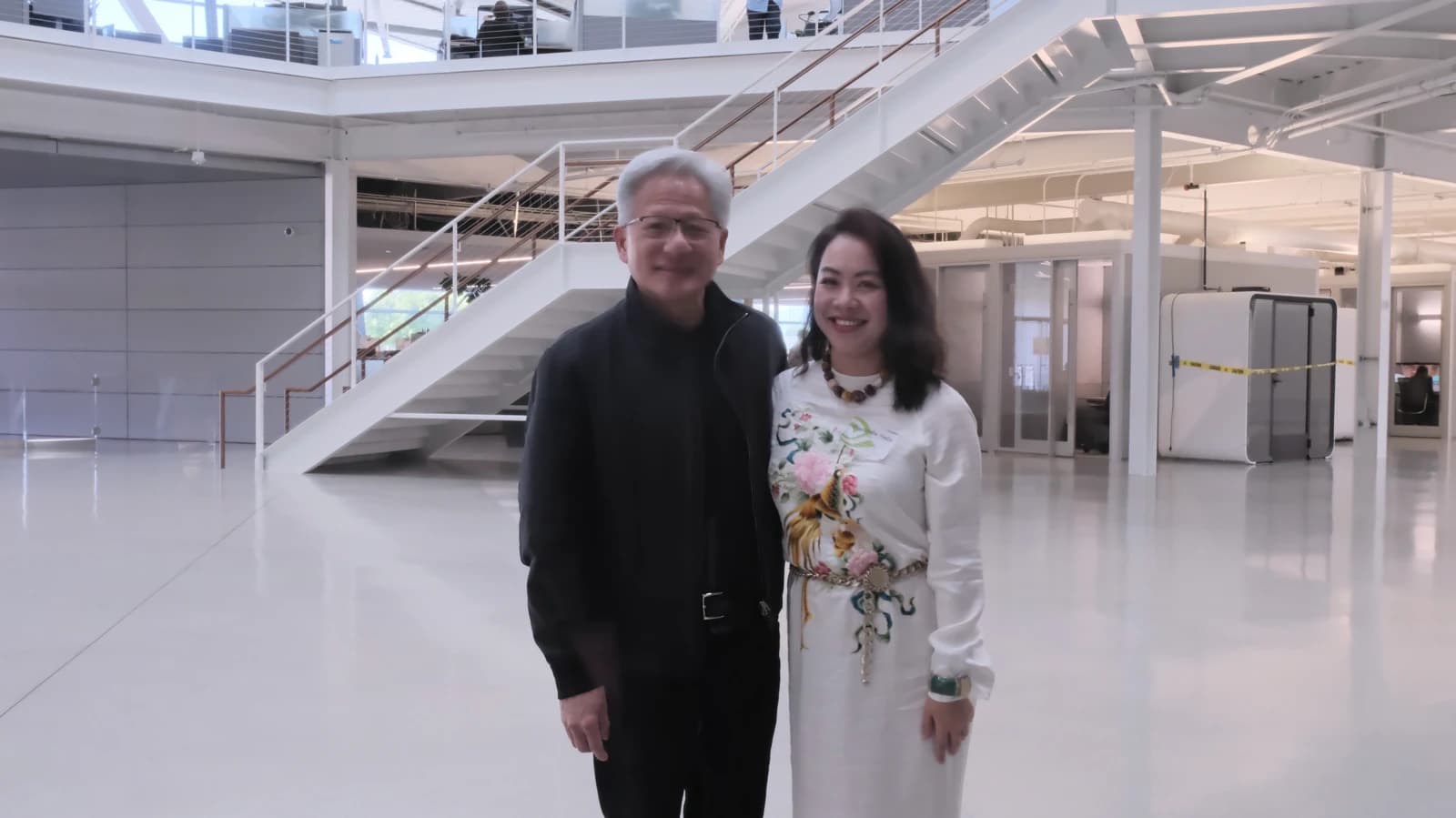
Huang’s presence gives the summit extra weight. Nvidia is the emblem of the global AI buildout, and its chips sit at the center of the data-center investment cycle that has powered much of the market’s gains. Huang has also been unusually blunt about Germany’s shortcomings, saying he was pained to see one of the world’s most technologically advanced countries fall behind. That criticism matters because it frames the summit as more than ceremonial diplomacy: Germany is being judged on execution, not intentions.
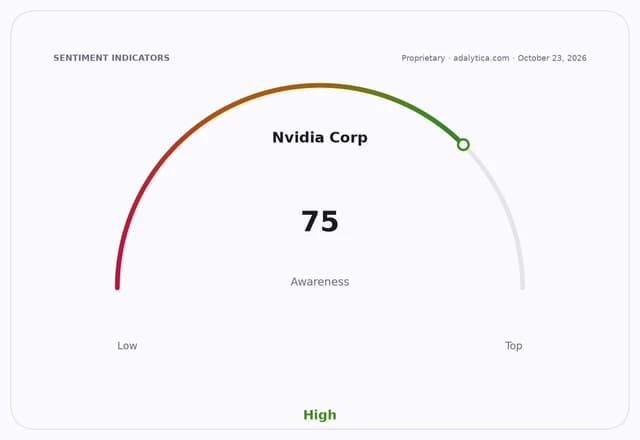
There is also a market angle hiding inside the politics. Deutsche government insiders say Berlin is already planning a deal with Nvidia, potentially involving German companies in a joint project. If that advances, it could be another step toward anchoring AI infrastructure in Europe rather than leaving the region dependent on U.S. and Asian platforms. For semiconductor investors, that keeps Nvidia at the heart of the story. For long-term investors in Germany, it is a reminder that industrial policy, capital formation and technology adoption now move together.
The backdrop is not exactly friendly. Germany has been grappling with weak growth, high energy costs and investor skepticism, while yields on German government debt have been under pressure from the broader rate environment. That makes foreign direct investment and strategic private capital even more important, because they can do what fiscal policy alone cannot: create productive capacity, raise confidence and pull private-sector spending off the sidelines.
For now, the summit is mostly about signaling. But signaling matters when a country is trying to change its narrative. If Merz can persuade Nvidia and other global names to put real money to work in Germany, the payoff could last for years in jobs, supply chains and tax revenue. If he cannot, the event will be remembered as another well-attended reminder that Germany knows what it needs — and still struggles to deliver it. Investors should keep this one on the watchlist, especially for any concrete AI, data-center or industrial investment announcements.
| Entity | Gains | Losses |
|---|---|---|
| Germany / Merz government | ▲Inflow of foreign capital | ▼Investor skepticism |
| Nvidia | ▲New AI project foothold | ▼Criticism over Germany strategy |
| Global investors | ▲Access to European opportunities | ▼Idle cash earning less |
| German industrials | ▲Potential tech and capital boost | ▼Continued underinvestment |