More than half of Malta’s residents say Budget 2027 made no noticeable difference to their household finances, underscoring how stubborn cost-of-living pressures remain even after the government rolled out tax cuts, bonuses and pension measures.
Malta Budget 2027 Leaves Most Households Unchanged

An independent survey by Marketing Advisory Services found 54.4% of respondents saw no change in their finances, while 34.2% said the budget improved their situation. That split suggests the fiscal package, while politically important, has yet to translate into broad relief for households still dealing with elevated prices and uneven wage growth.
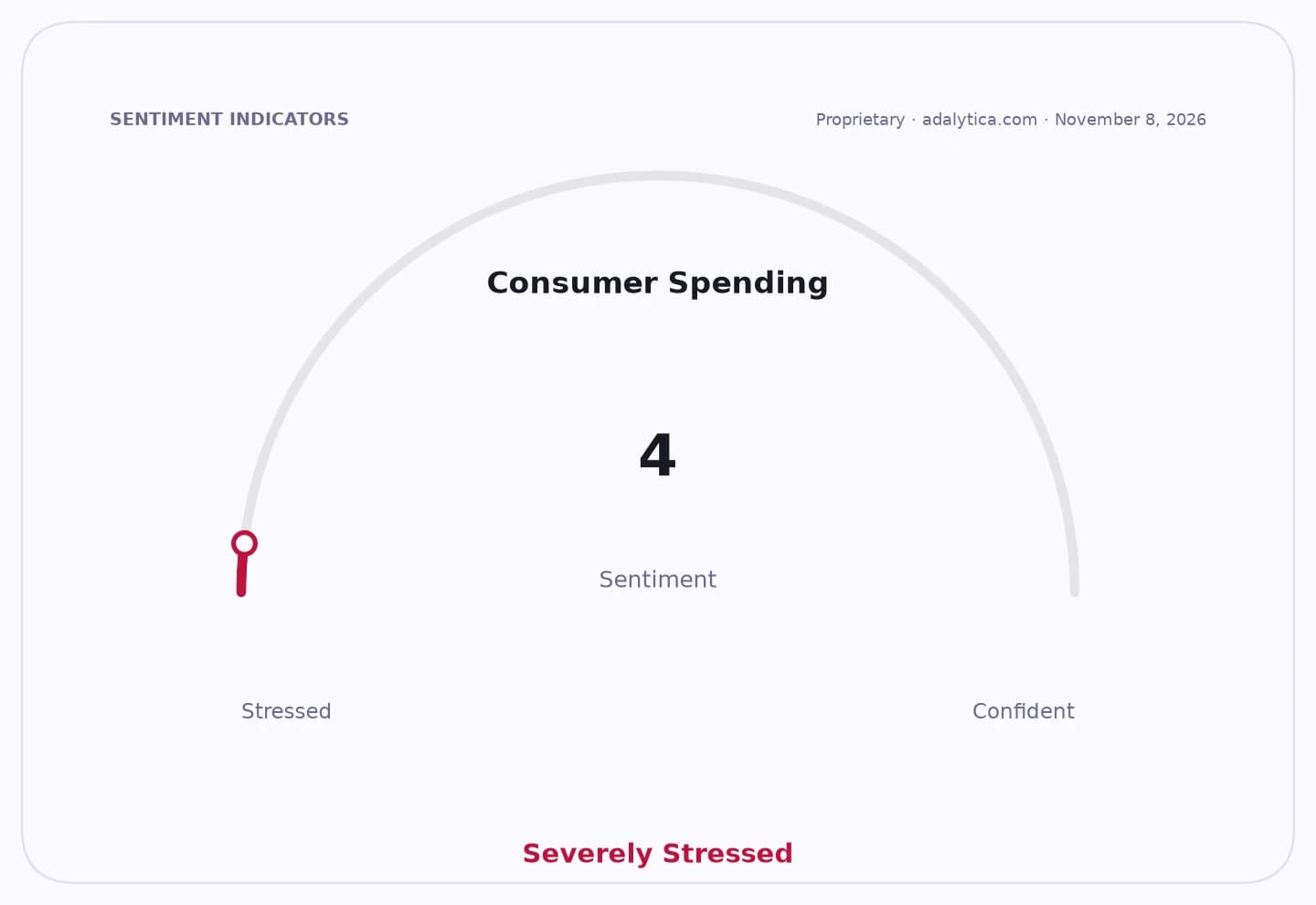
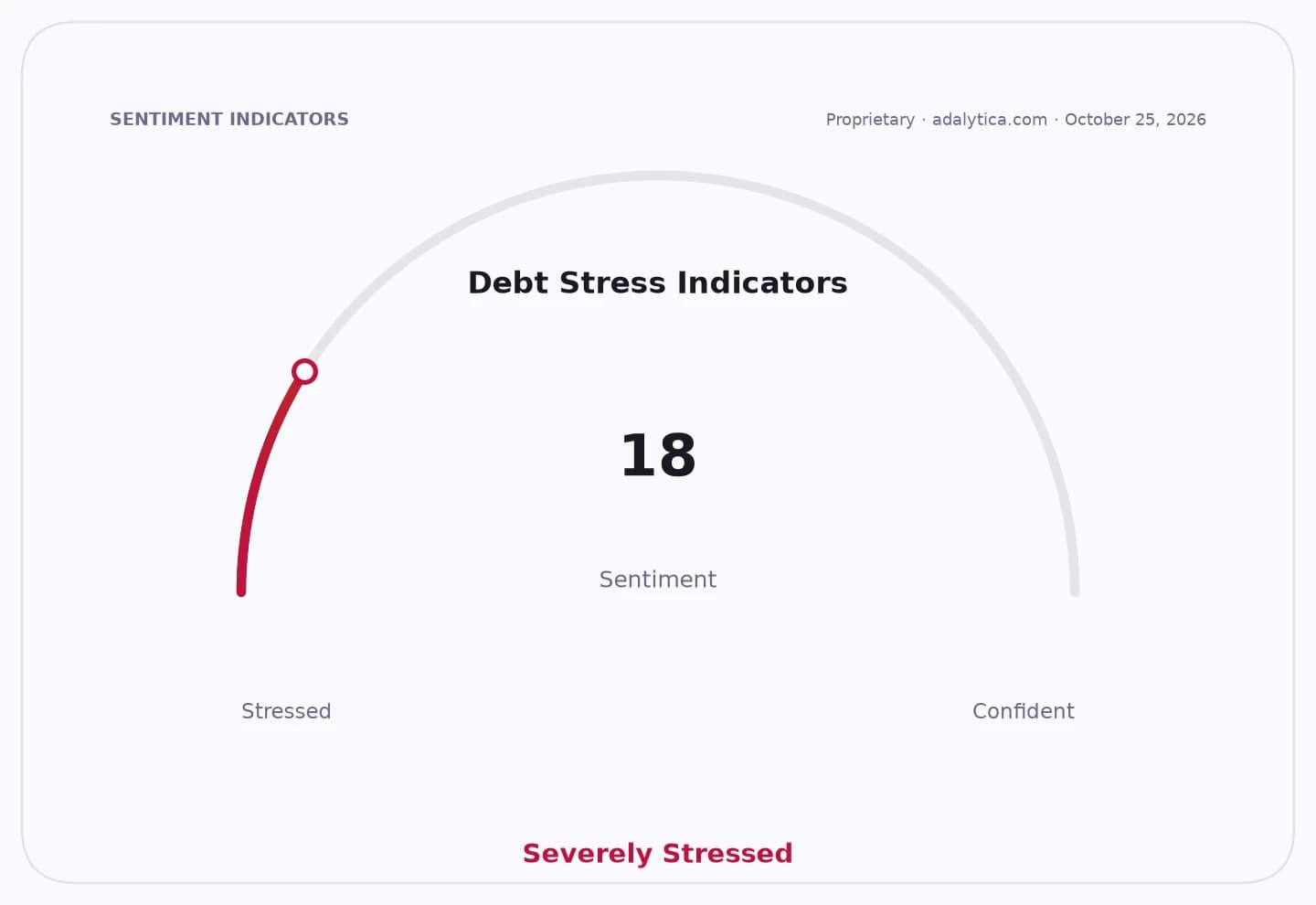
Sentiment Indicators

The finding matters economically because consumer confidence is only part of the story: households that do not feel better off are less likely to spend freely, rebuild savings or ease demand for credit. In the same survey, 42.3% named lower prices for food and essential goods as the top budget priority, while 39.5% wanted electricity, water and fuel costs kept stable.
The data also points to a divided consumer base. Nearly half of respondents, 47.5%, said they could comfortably cover expenses and save, but 14.9% said they struggled to meet essential costs or could not cover them at all. While 82% said they could handle an unexpected €500 expense from their own funds, that fell to 31.5% among financially strained households.
For investors and policymakers, the message is that headline fiscal support does not automatically repair household balance sheets. That matters for retail spending, bank lending quality and the broader outlook for domestic demand, especially as Malta balances social relief against the cost of maintaining budget discipline. The survey also found only 39% had a clear idea of how they would manage financially in retirement, hinting at longer-term pressure on savings and pension adequacy.
The survey interviewed 362 residents aged 16 and over between Sept. 18 and Oct. 11, and its results are likely to keep pressure on the government to show that Budget 2027 is easing everyday living costs rather than just adding headline benefits.
| Entity | Gains | Losses |
|---|---|---|
| Government | ▲Political cover from budget measures | ▼Credibility if relief stays weak |
| Households under strain | ▲Some targeted support | ▼Little immediate improvement |
| Consumer-facing businesses | ▲Potentially steadier demand if spending holds | ▼Softer sentiment if costs stay high |
| Banks | ▲Continued loan demand from households | ▼Higher stress if finances weaken |