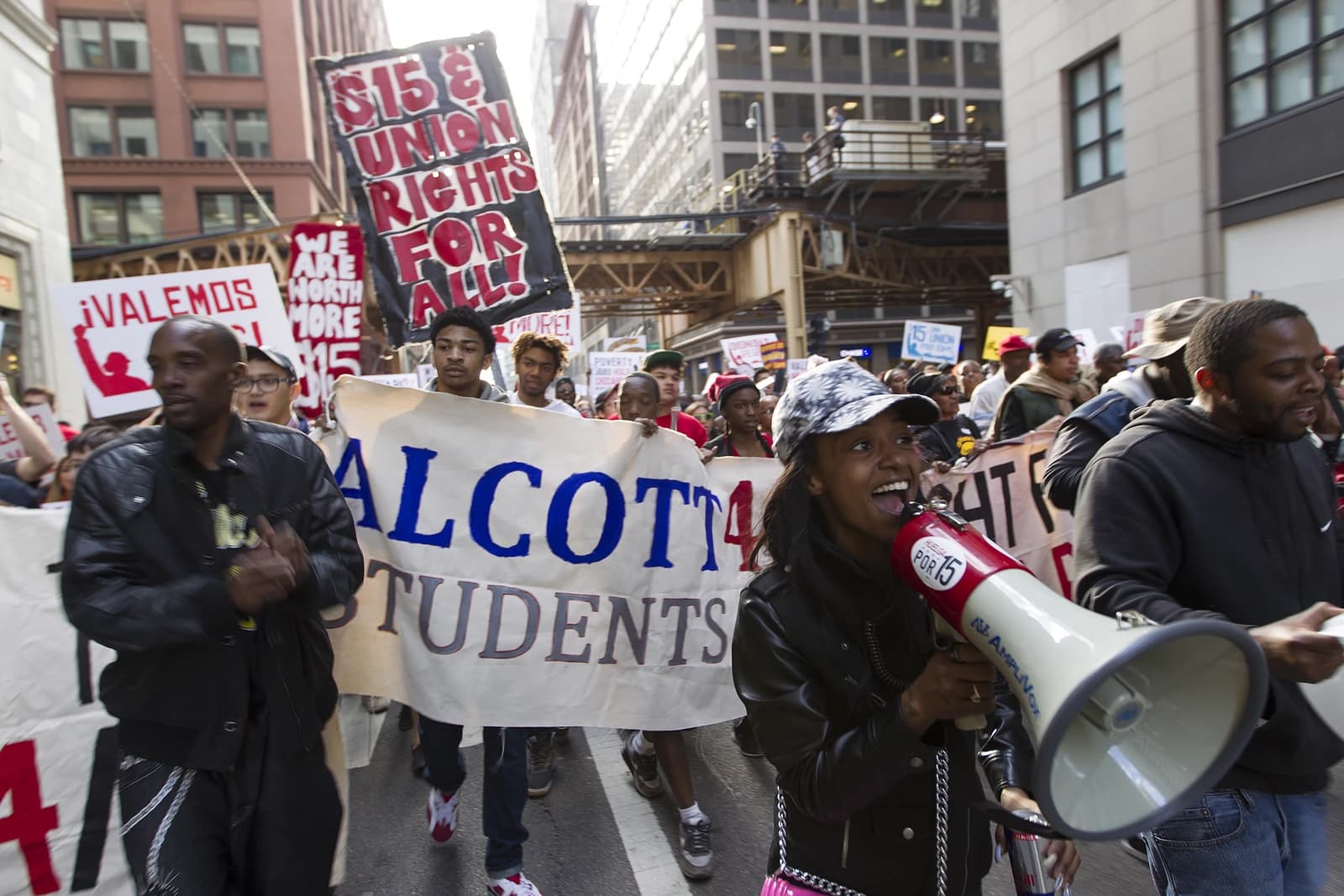
Workers are spending more of the workday thinking about money, and that matters because financial anxiety is quietly draining productivity, attendance and long-term spending power at a time when households are already stretched.
Workers spend more time worrying about money at work
Consumer Spending
A new Marsh study found employees devote an average 51 minutes a day to economic worries during working hours, or about 11% of a productive day. That is six minutes more than the year before, even as the share of workers reporting financial stress has eased to 54% from seven in 10. The burden is not evenly spread: employees who feel financial stress spend three times more work time on those concerns than calmer peers, while the most stressed 10% devote 21% of the day to money problems.
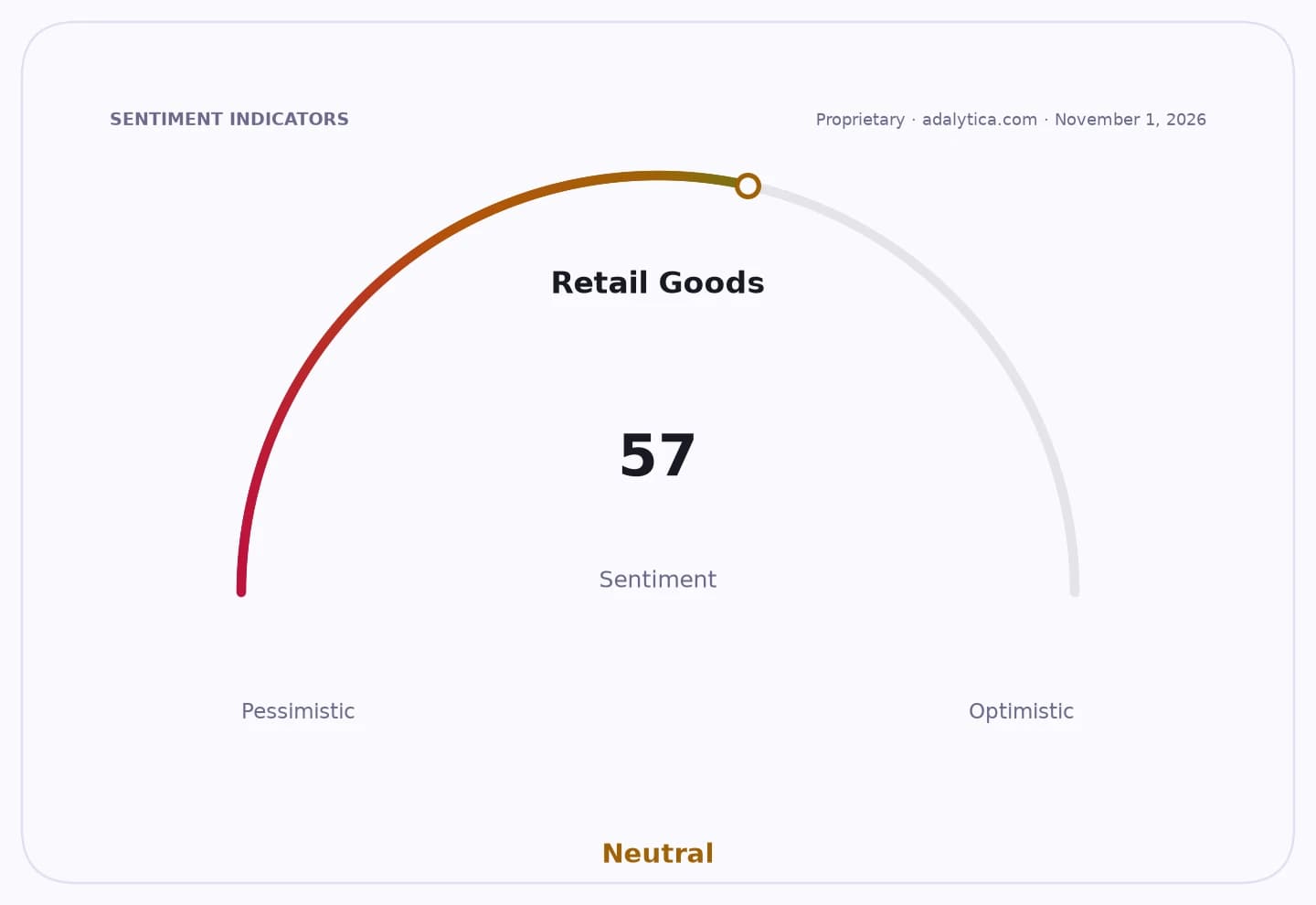
Sentiment Indicators
For businesses, that is not just a wellness issue. It is a labor-efficiency problem that can leak into output, focus and sleep. Marsh said 33% of respondents believe their financial situation affects productivity to a moderate or significant degree, and 11% said they cannot sleep because of money worries. In a tighter labor market, those losses show up in softer engagement and a greater risk that workers will underperform even if they remain employed.
The study also underscores how fragile household balance sheets remain. Some 40% of workers rely on credit to get to month-end, 22% say they struggle repeatedly to pay financial obligations, and 36% say covering an emergency of 1 million pesos would be a serious challenge. That is the kind of pressure that keeps consumption vulnerable: when families are one unexpected bill away from distress, they are less likely to spend freely and more likely to hoard cash.
That fragility is also changing what workers want from employers. A 41% share wants companies to offer access to outside financial advisers, while 29% want articles or information and 28% want an in-house resource. Only 14% want no employer involvement at all. For corporate America and global employers alike, that creates an opening: financial wellness benefits are becoming part of the total compensation package, much like health coverage and retirement plans.
The report’s most important message for investors is that stress is concentrated in lower-income and less-educated cohorts, where the time spent worrying rises sharply. Households earning up to 2 million pesos a month devote 67% more time to money concerns than higher-income peers. That gap matters because lower-income consumers tend to be more sensitive to inflation, interest rates and job insecurity, and they spend a larger share of income on essentials. If stress persists, it can weigh on retail sales, credit demand and delinquency trends.
It also helps explain why financial-services firms, payroll providers and benefits administrators keep pushing deeper into worker well-being. ADP, Paychex and Workday all benefit when employers outsource more of the financial and administrative burden around compensation, benefits and retirement. Their products become more valuable when employees want help navigating pay, insurance and savings decisions, not less.
Longer term, the story is not that workers are panic-stricken; it is that money worries remain a daily drag on the economy even when headline stress eases. That is exactly the kind of slow-burning pressure investors should watch, because it can shape everything from household spending to employer benefit budgets. For long-term investors, the takeaway is simple: companies that help workers reduce financial friction may have a durable edge, and the demand for those services is worth watching.
| Entity | Gains | Losses |
|---|---|---|
| Employers | ▲Higher productivity from less-stressed workers | ▼Lost work time to financial anxiety |
| Payroll/benefits providers | ▲More demand for wellness and admin tools | ▼Less relevance for firms that do nothing |
| Higher-income households | ▲Lower relative financial stress | ▼Less affected by month-end pressure |
| Lower-income workers | ▲Potential employer support | ▼More time spent worrying about money |