Bulgaria will lift its monthly minimum wage to 660 euros from Jan. 1, 2027, a move that marks a fresh floor for earnings in the country’s low-wage economy and will ripple through pay scales, social benefits and employer costs.
Bulgaria sets 660 euro minimum wage for 2027
The government’s decision, published in the state gazette after being adopted on Oct. 29, sets the hourly minimum at 3.98 euros for a standard 8-hour day and five-day week. The timing matters as much as the size: the new rate gives businesses more than a year to absorb higher labour costs, while workers and unions will see the increase as a late but concrete response to pressure over living standards and the erosion of purchasing power.
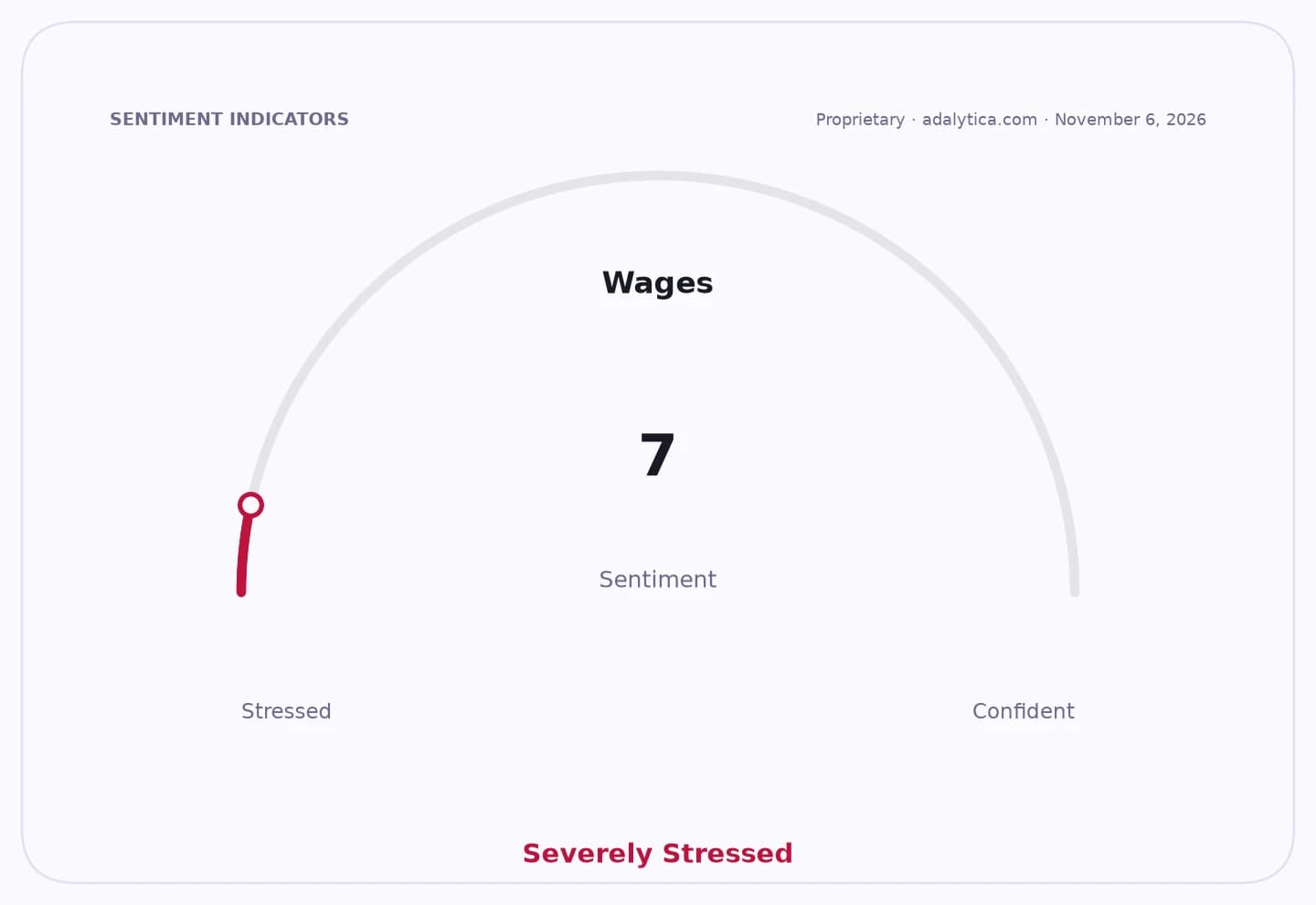
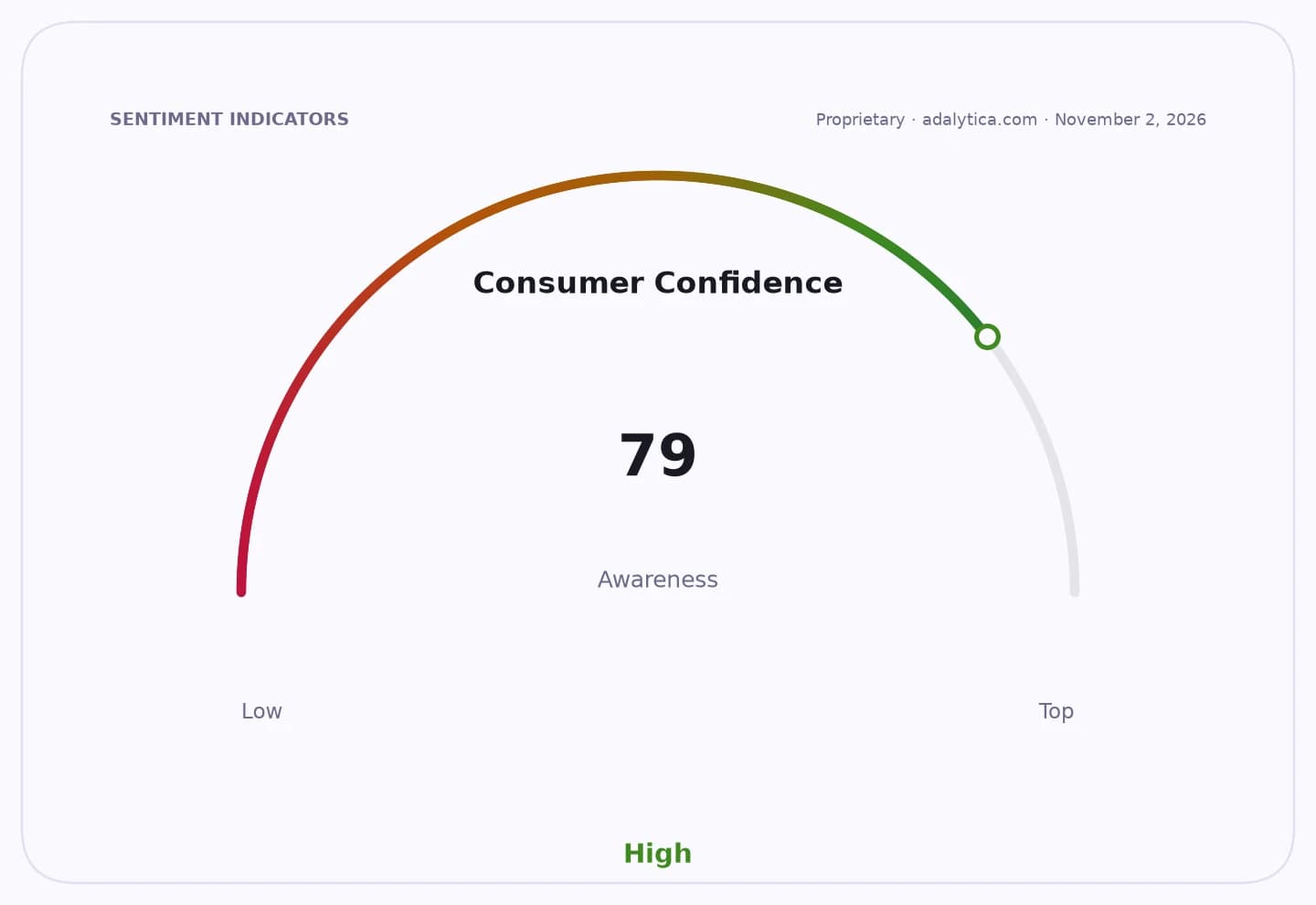
Sentiment Indicators
The rise is also politically significant because minimum-wage policy in Bulgaria has become a proxy for a wider debate over income inequality, poverty and the adequacy of state support. A higher wage floor typically lifts not only base pay but also insurance contributions, severance payments and unemployment benefits, broadening its effect beyond the workers who directly earn it.
For employers, the increase raises a familiar trade-off. Higher wages can help retain staff in a tight labour market and support household consumption, but they also squeeze margins in labour-intensive sectors and may force companies to pass on costs through prices. That is especially relevant in retail, food service and logistics, where wage bills are a larger share of operating expenses.
Investors will watch the policy for its second-order effects on inflation and domestic demand. A larger wage floor can support consumer spending, which benefits retailers and consumer-facing businesses, but it can also complicate pricing discipline if firms struggle to absorb the extra cost. In that sense, the measure is mildly supportive for demand and mildly inflationary for companies with thin margins.
The broader macro backdrop helps explain the stakes. The debate over wage adequacy has intensified as officials and labour advocates argue that the minimum wage should rise above the so-called hunger threshold. That framing suggests the issue is no longer just about labour-market mechanics, but about whether pay policy can keep pace with basic living costs in an economy still wrestling with affordability pressures.
What happens next will depend on how businesses, households and policymakers respond through 2027. If the labour market remains firm, the higher minimum wage could feed through into broader pay settlements; if growth weakens, companies may look to hiring restraint or price increases to protect margins.
| Entity | Gains | Losses |
|---|---|---|
| Low-wage workers | ▲Higher take-home pay | ▼None directly |
| Employers | ▲More time to plan | ▼Higher labour costs |
| Retailers/consumer firms | ▲Stronger household spending | ▼Margin pressure |
| Government | ▲Social policy gains | ▼Risk of inflation criticism |