Ireland’s economy is far wealthier than it was 30 years ago, but a new survey suggests the country’s consumers are not feeling the payoff, underscoring how housing costs, inflation shocks and the scars of the financial crisis have weakened the link between national prosperity and household confidence.
Ireland consumer sentiment stays weak despite growth
The Credit Union Consumer Sentiment Index, marking three decades of the measure, found confidence in September 2026 at 61.1, well below the 30-year average of 83 and less than half the 130.9 peak reached around the turn of the millennium. Yet over the same period, Irish incomes and spending have risen sharply: consumers are now seen as roughly three times richer than in 1996 and spending twice as much.
That divergence matters economically because consumer sentiment often shapes spending decisions, savings behavior and the durability of domestic demand. Ireland has built one of Europe’s more successful growth stories, but the research suggests much of that wealth has not translated into a stronger “feelgood” effect on households. Instead, day-to-day pressures — especially housing and the cost of living — remain the dominant lens through which people judge the economy.
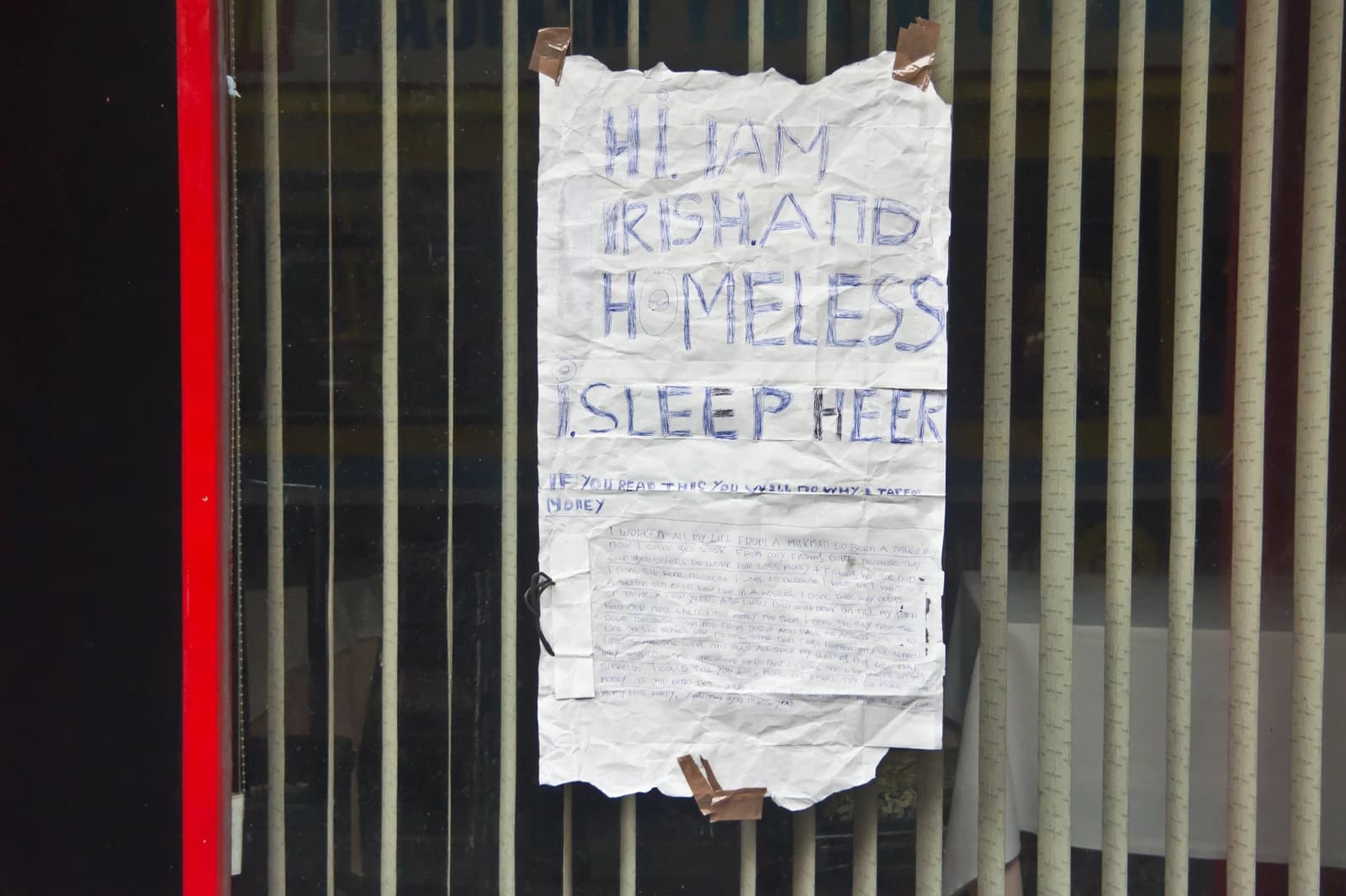
The data point to a country that is richer on paper but more cautious in practice. Three-quarters of respondents said everyday living costs were worse than 30 years ago, while a similar share said buying a home was harder. Just over half said their capacity to save had fallen, and nearly as many said mental health, wellbeing and local community had deteriorated. Those findings help explain why stronger GDP has not produced a matching improvement in consumer confidence or discretionary spending appetite.
The backdrop is important. In 1996, Ireland was emerging from a period of improving employment, incomes and lower inflation. Today, consumers are weighing a very different mix: persistent housing shortages, higher living costs, infrastructure constraints and geopolitical uncertainty, alongside memories of the 2008 crash and subsequent austerity. The report argues that those boom-bust experiences have left a psychological imprint, making households less willing to assume that rising national wealth will be permanent.
For investors, that means domestic consumption may remain a less reliable engine than headline growth figures suggest. Banks, retailers, housing-related businesses and leisure groups all depend on confidence translating into spending, and the survey implies that households are still prioritizing caution over exuberance. At the same time, the muted mood does not point to outright distress: unemployment remains low, the economy is larger, and the country’s future is still viewed with some optimism.
That balance is visible in the forward-looking responses. Almost half of those polled expect environmental understanding to improve over the next 30 years and 45% see better education opportunities. On overall quality of life, 35% were optimistic versus 32% pessimistic. But the financial outlook remains darker: 47% expect housing affordability to worsen by 2056, 46% think the cost of living will keep rising and 37% say household financial security and saving power will deteriorate further.
The message for policymakers is clear. Sustained growth alone is not enough to rebuild confidence if it is not matched by affordable housing, better infrastructure and a sense that gains are broadly shared. For markets, the story is less about a cyclical downturn than a structural one: Ireland’s consumers are wealthier than before, but the emotional and financial consequences of repeated shocks mean they are likely to keep spending with restraint.
| Entity | Gains | Losses |
|---|---|---|
| Irish households with assets | ▲Higher wealth, higher spending power | ▼Low confidence, higher living costs |
| Irish policymakers | ▲Stronger economy headline | ▼Pressure on housing and affordability |
| Retailers and consumer firms | ▲Larger economy overall | ▼Cautious discretionary spending |
| Homebuyers and renters | ▲None | ▼Worse affordability and access |